
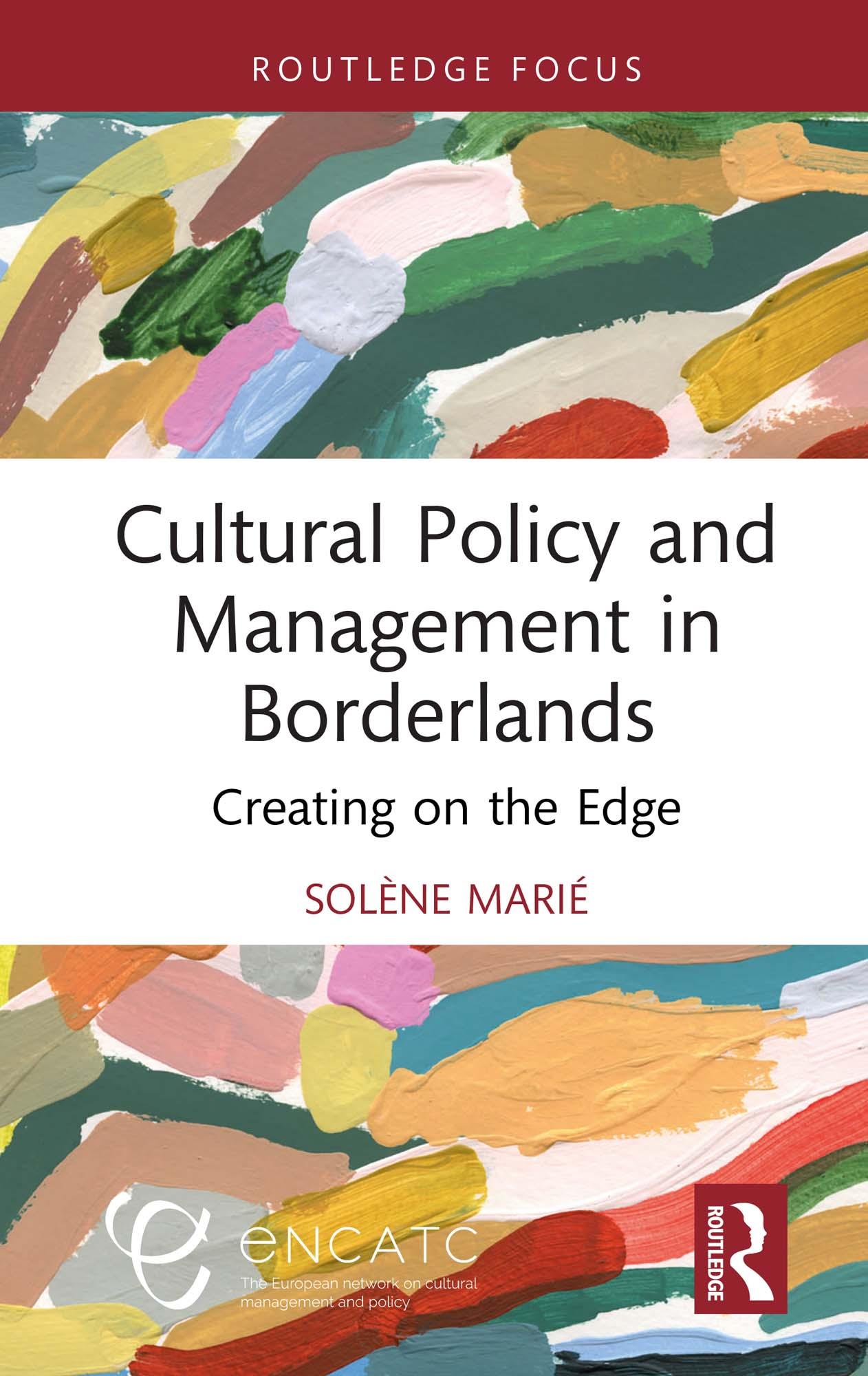
This book uncovers the processes at play in the development of cultural policies, projects and networks in spaces at the edge of their countries, marked by their proximity with a borderline.
On a subject which is studied mainly in North America and Western Europe and based on individual case studies, its originality lies in offering a comparative view on the subject, as well as in comparing a European case – the France-Germany borderlands – to a South American case – the Brazil-Uruguay borderlands. Through a multi-sited ethnographic study, the author develops an analysis of the formal and informal processes and networks which sustain this cultural action, looking at the relative contribution of processes led by institutions, cultural agents and the civil society.
This book provides theoretical tools for the analysis of the way cultural ecosystems function in borderlands and is valuable reading for scholars of cultural policy, geography and arts management.
Betaal eenvoudig met kaart, Klarna, Apple Pay of Google Pay. Niet tevreden? Je hebt altijd 14 dagen bedenktijd. Lees meer in onze voorwaarden. Heb je vragen, mail ons dan via hello@memmo.org.
Memmo maakt studeren makkelijker – waar je ook bent ter wereld. Wij brengen je cursusboeken en slimme studietools samen op één plek: samenvattingen, quizzen, podcasts en flashcards. En Ted, je studievriend die antwoord geeft op alles wat je je afvraagt. Meer dan 50.000 studenten studeren hier al – gebouwd om je sneller te laten leren en minder stress te geven.