
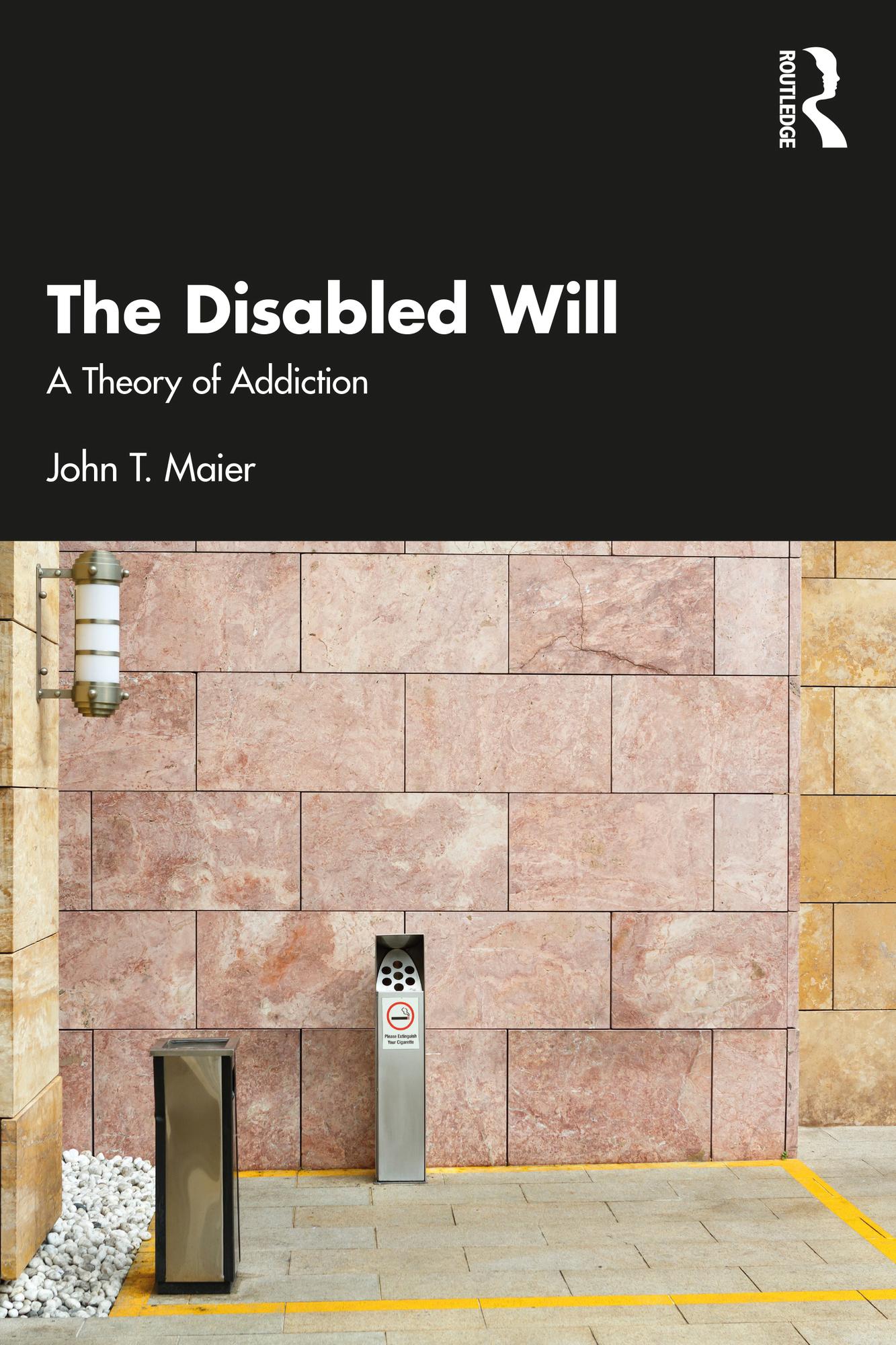
This book defends a comprehensive new vision of what addiction is and how people with addictions should be treated. The author argues that, in addition to physical and intellectual disabilities, there are volitional disabilities – disabilities of the will – and that addiction is best understood as a species of volitional disability.
This theory serves to illuminate long-standing philosophical and psychological perplexities about addiction and addictive motivation. It articulates a normative framework within which to understand prohibition, harm reduction, and other strategies that aim to address addiction. The argument of this book is that these should ultimately be evaluated in terms of reasonable accommodations for addicted people and that the priority of addiction policy should be the provision of such accommodations. What makes this book distinctive is that it understands addiction as a fundamentally political problem, an understanding that is suggested by standard legal approaches to addiction, but which has not received a sustained defense in the previous philosophical or psychological literature.
This text marks a significant advance in the theory of addiction, one which should reshape our understanding of addiction policy and its proper aims.
Betaal eenvoudig met kaart, Klarna, Apple Pay of Google Pay. Niet tevreden? Je hebt altijd 14 dagen bedenktijd. Lees meer in onze voorwaarden. Heb je vragen, mail ons dan via hello@memmo.org.
Memmo maakt studeren makkelijker – waar je ook bent ter wereld. Wij brengen je cursusboeken en slimme studietools samen op één plek: samenvattingen, quizzen, podcasts en flashcards. En Ted, je studievriend die antwoord geeft op alles wat je je afvraagt. Meer dan 50.000 studenten studeren hier al – gebouwd om je sneller te laten leren en minder stress te geven.