
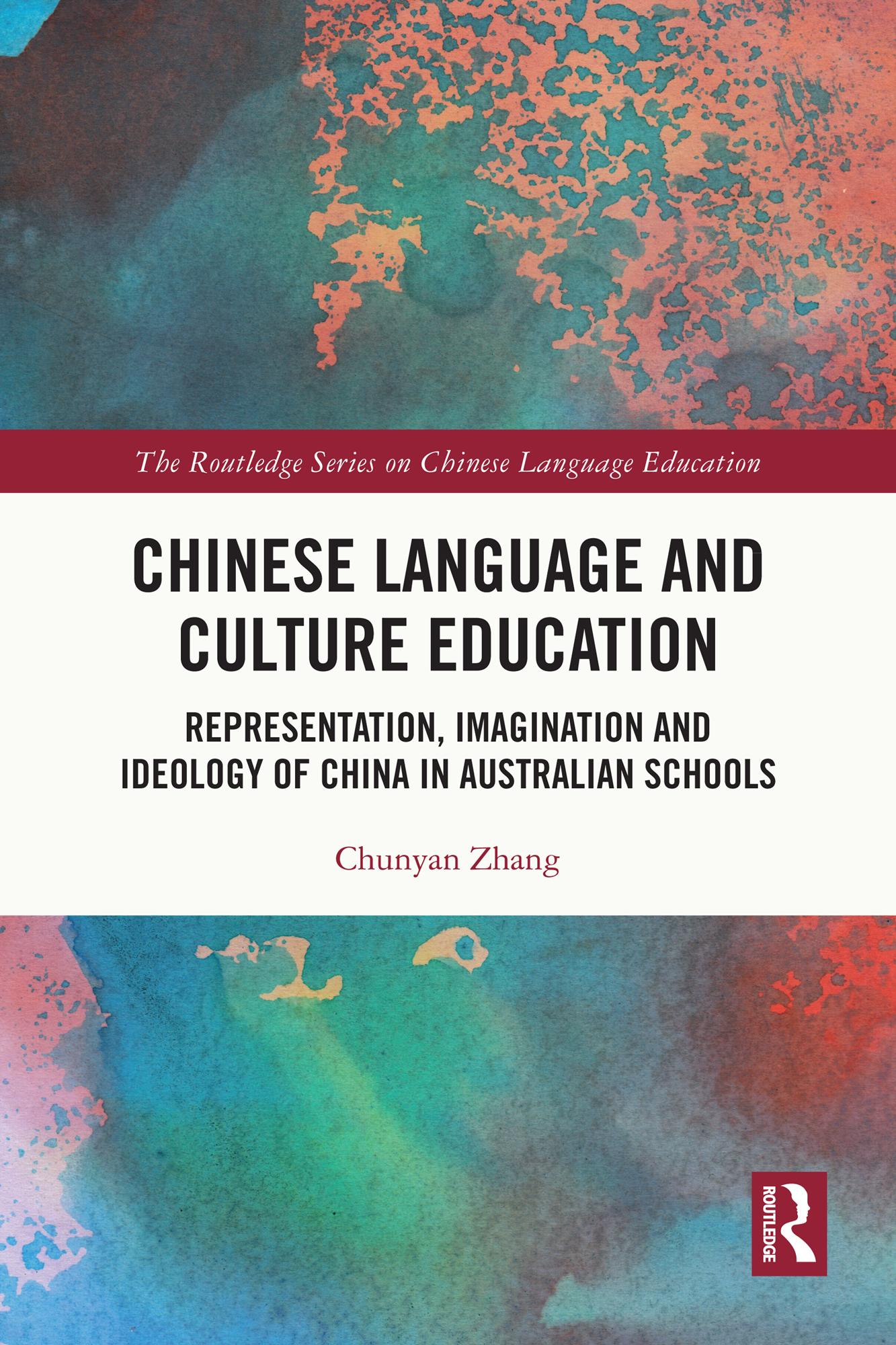
Against the background of the Australian government’s strategic plan to promote Asian languages in schools, this book is an innovative autoethnographic inquiry into what actually occurs in the implementation of a Chinese language and culture program in an Australian context.
Drawing on eight years of socio-cultural and educational fieldwork in a primary school, Chunyan Zhang examines complex, fluid and heterogeneous daily teaching practices and the ways in which ideas of China are assembled, presented and performed. She asks the following questions: What is China? Where does Taiwan fit into the China depicted in a multicultural, globalised classroom? Can Chinese communism or Chairman Mao be avoided in teaching English-speaking learners? What kind of China is brought in here while what kind of China is being silenced and othered? Through the partial connection between method assemblage and Daoist concepts, Zhang develops a water-like pedagogy in teaching. She uses the knowledge flow model to examine the imbalanced knowledge flow within teacher-student interactions. From finding China as a hybrid assemblage to proposing China as method, Zhang’s investigation makes an important contribution to the sociology of Chinese language education.
This book is an essential and rich content resource for primary and secondary teacher education and research, teacher candidates and educators in Chinese as a second language education.
Betaal eenvoudig met kaart, Klarna, Apple Pay of Google Pay. Niet tevreden? Je hebt altijd 14 dagen bedenktijd. Lees meer in onze voorwaarden. Heb je vragen, mail ons dan via hello@memmo.org.
Memmo maakt studeren makkelijker – waar je ook bent ter wereld. Wij brengen je cursusboeken en slimme studietools samen op één plek: samenvattingen, quizzen, podcasts en flashcards. En Ted, je studievriend die antwoord geeft op alles wat je je afvraagt. Meer dan 50.000 studenten studeren hier al – gebouwd om je sneller te laten leren en minder stress te geven.