
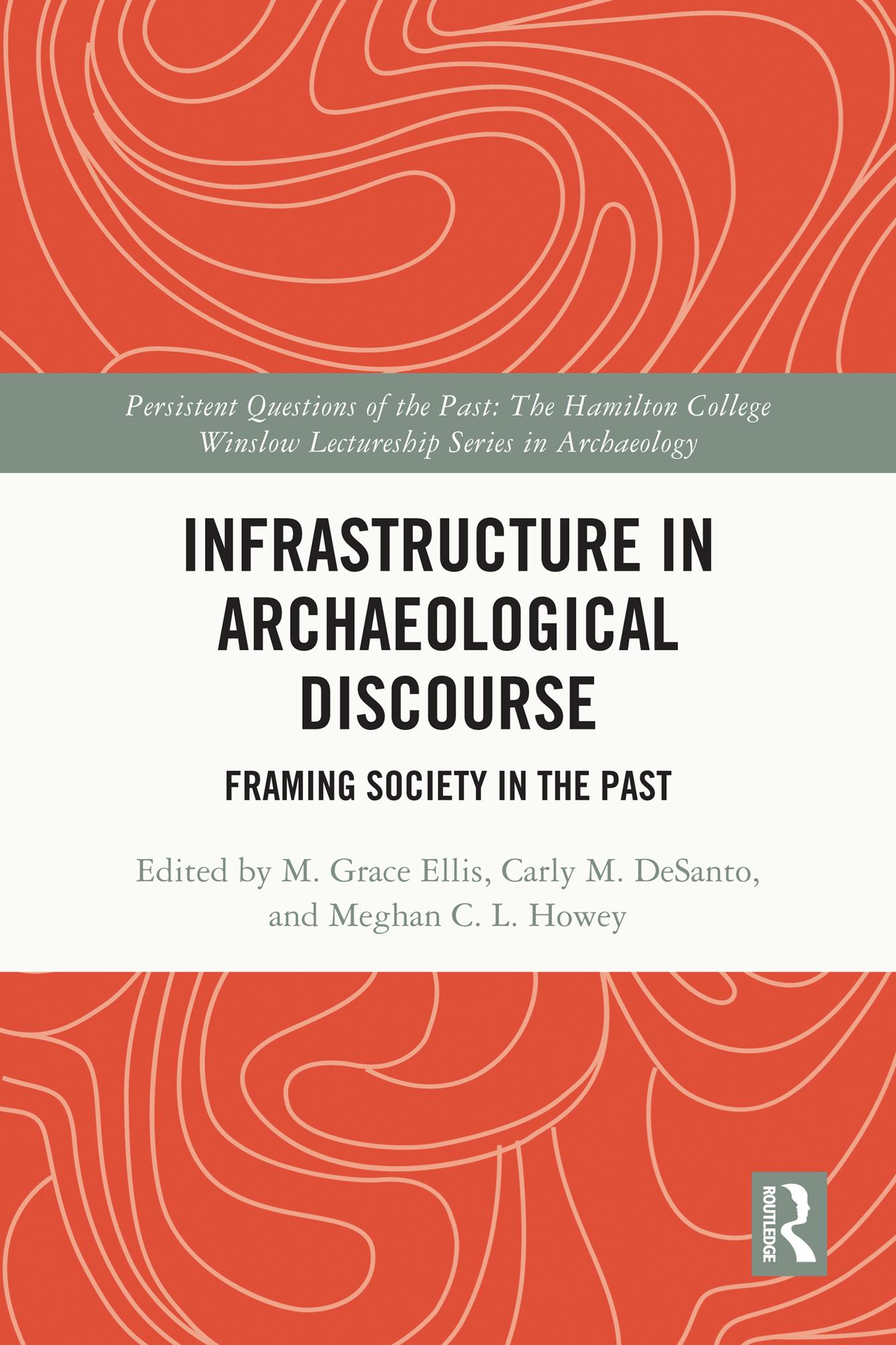
This volume expands perspectives on infrastructure that are rooted in archaeological discourse and material evidence.
The compiled chapters represent new and emerging ideas within archaeology about what infrastructure is, how it can materialize, and how it impacts and reflects human behavior, social organization, and identity in the past as well as the present. Three goals central to the work include: (1) expand the definition of infrastructure using archaeological frameworks and evidence from a wide range of social, historical, and geographic contexts; (2) explore how new archaeological perspectives on infrastructure can help answer anthropological questions pertaining to social organization, group collaboration, and community consensus and negotiation; and (3) examine the broader implications of an archaeological engagement with infrastructure and contributions to contemporary infrastructural studies. Chapters explore important aspects of infrastructure, including its relationality, scale, history, and relevance, and provide archaeological case studies that examine the social repercussions of infrastructure and the various ways it has materialized in the past. This compilation ultimately expands the discourse of infrastructure in archaeology and social sciences more broadly.
Social scientists can turn to this volume for insights into an archaeologically informed perspective on infrastructure relevant to the study of past and current human behavior.
Betaal eenvoudig met kaart, Klarna, Apple Pay of Google Pay. Niet tevreden? Je hebt altijd 14 dagen bedenktijd. Lees meer in onze voorwaarden. Heb je vragen, mail ons dan via hello@memmo.org.
Memmo maakt studeren makkelijker – waar je ook bent ter wereld. Wij brengen je cursusboeken en slimme studietools samen op één plek: samenvattingen, quizzen, podcasts en flashcards. En Ted, je studievriend die antwoord geeft op alles wat je je afvraagt. Meer dan 50.000 studenten studeren hier al – gebouwd om je sneller te laten leren en minder stress te geven.