
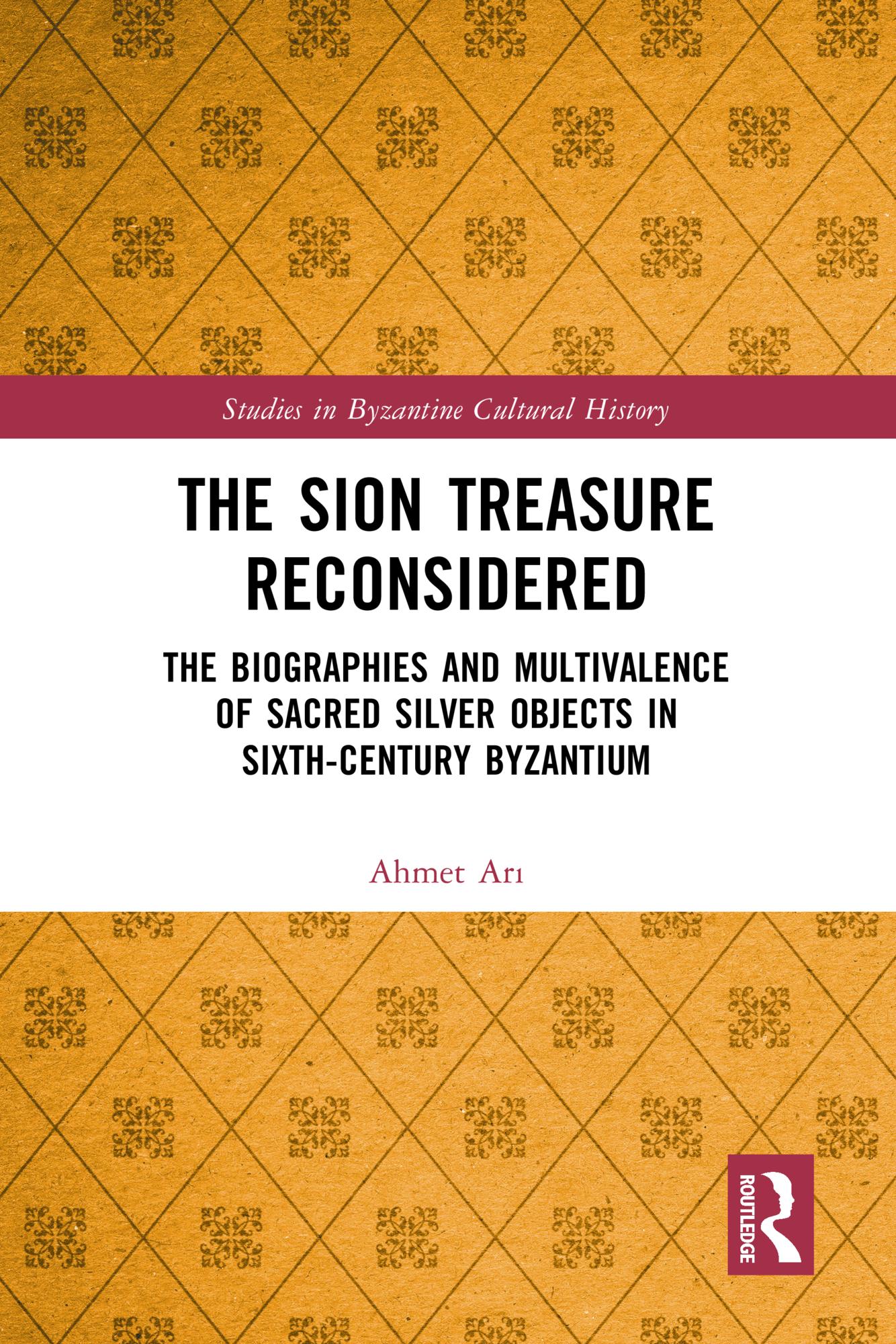
In 1963 a collection of fifty-seven silver vessels was discovered during illegal excavations by villagers in Antalya Province, Turkey. The Sion Treasure, named after the inscription ‘Holy Sion’ on several vessels in the hoard, is now divided between five collections: Antalya Museum (Turkey), Dumbarton Oaks (United States), a private collection in Geneva, the Digby-Jones collection and Hewett collection (United Kingdom).
This book builds on the studies of the Sion Treasure and examines questions regarding silver mining, manufacture, and the economic and cultural role of the silver vessels. It considers the treasure using the concept of the cultural biography of objects. The vessels from the Sion Treasure have not previously been considered in this context and the book highlights the fact that the value and significance of the objects at the time they were created does not lie exclusively in their visual characteristics and aesthetics since their relationship to, and with, people is also significant. While their functionality lends them one life story, another biography is gained through their users: the producers, patrons, and individuals within the church, not only the clergy, who engaged with the objects.
The Sion Treasure Reconsidered will appeal to students and scholars alike interested in Byzantine cultural and material history and medieval material history in general.
Betaal eenvoudig met kaart, Klarna, Apple Pay of Google Pay. Niet tevreden? Je hebt altijd 14 dagen bedenktijd. Lees meer in onze voorwaarden. Heb je vragen, mail ons dan via hello@memmo.org.
Memmo maakt studeren makkelijker – waar je ook bent ter wereld. Wij brengen je cursusboeken en slimme studietools samen op één plek: samenvattingen, quizzen, podcasts en flashcards. En Ted, je studievriend die antwoord geeft op alles wat je je afvraagt. Meer dan 50.000 studenten studeren hier al – gebouwd om je sneller te laten leren en minder stress te geven.