
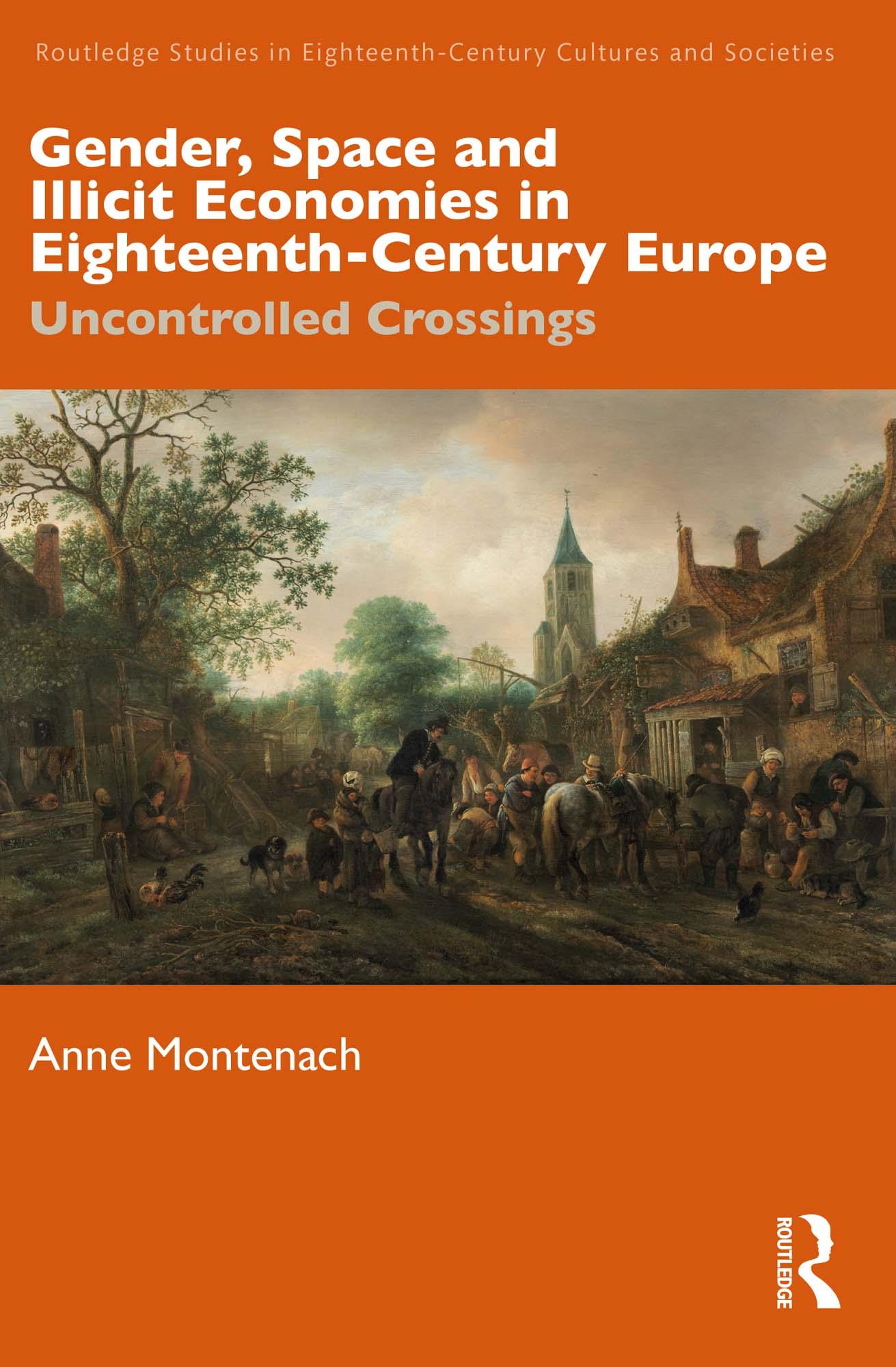
This book seeks to contribute a multi-dimensional, multi-layered and gendered approach to the illicit economy in the historiography of early modern Europe.
Using original source material from several countries, this volume concentrates on a border and transnational area—approximately the Lyon-Geneva-Turin triangle—located at the heart of European trade. It focuses on three products—salt, cotton and silk—all of which fuelled the black market between the last decades of the seventeenth century and the French Revolution. This volume offers an original contribution to wider studies of smuggling, illicit markets and women’s economic roles by taking into account the economic life of remote mountain communities and industrious cities.
Showing that irregular practices were a structural characteristic of early modern economies, it provides insight into the opportunities offered to women in a highly flexible economy where licit and illicit activities were intermingled in a very complex way.
This research monograph is aimed at a historical audience and constitutes a useful resource for students and scholars interested in gender history, social and economic history, urban history and French studies.
Betaal eenvoudig met kaart, Klarna, Apple Pay of Google Pay. Niet tevreden? Je hebt altijd 14 dagen bedenktijd. Lees meer in onze voorwaarden. Heb je vragen, mail ons dan via hello@memmo.org.
Memmo maakt studeren makkelijker – waar je ook bent ter wereld. Wij brengen je cursusboeken en slimme studietools samen op één plek: samenvattingen, quizzen, podcasts en flashcards. En Ted, je studievriend die antwoord geeft op alles wat je je afvraagt. Meer dan 50.000 studenten studeren hier al – gebouwd om je sneller te laten leren en minder stress te geven.