
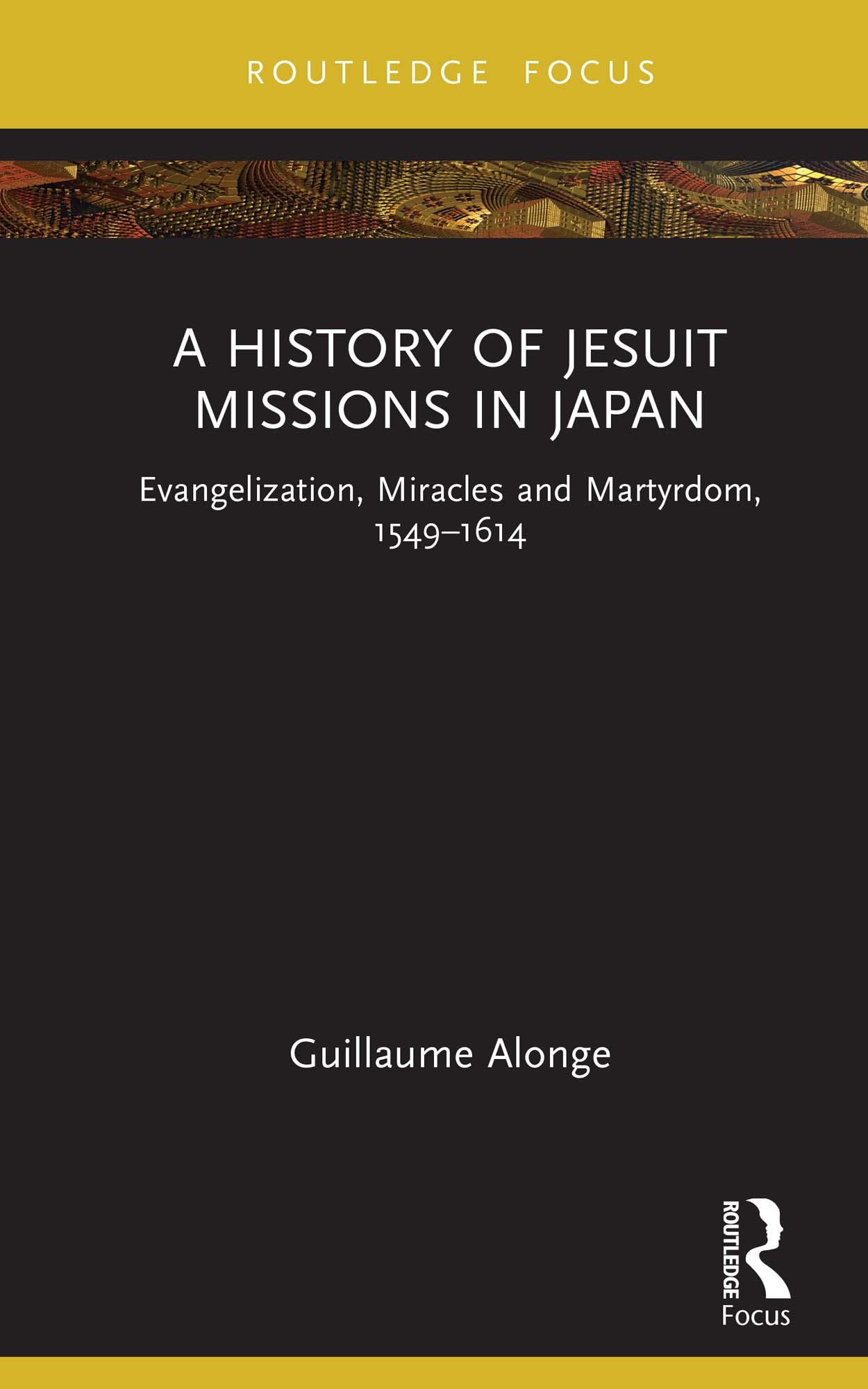
In the aftermath of the religious crisis triggered by the Protestant Reformation, the Catholic Church set out to conquer faithful in new territories. The first missionaries to arrive in Japan were the Jesuits who were forced to adopt a different type of evangelization, with a bottom-up rather than a top-down approach. This volume shows that Japan turned out to be a land of experimentation and development of a global Catholicism, as well as an unprecedented laboratory of encounter between political, scientific and religious cultures in the age of the first globalization. It analyzes the different conversion strategies developed by the Jesuit fathers toward various groups, including samurai, Buddhist bonzes and Japanese peasants. A key step was the appropriation of sacred space by the missionaries: first in a violent way with the construction of large crosses and the destruction of temples, pagodas and pagan idols, then through strategies more flexible and accommodating of replacing pre-existing cultural practices. To be attractive, the Jesuit fathers had to compromise with local culture and spirituality, but they were also forced, in some way, to simplify and modify their very way of understanding and living Christianity. This book also reflects on the reasons for the failure of this ambitious Catholic conversion project: the hostility of the Japanese ruling class, the irreducibility of a different culture and spirituality, but also, if not above all, the rise of internal rivalries in Catholicism between Jesuits, Franciscans and Dominicans. This book marks a significant contribution to the literature on the history of the Jesuits, Catholic missions and Christianity in Japan.
Betaal eenvoudig met kaart, Klarna, Apple Pay of Google Pay. Niet tevreden? Je hebt altijd 14 dagen bedenktijd. Lees meer in onze voorwaarden. Heb je vragen, mail ons dan via hello@memmo.org.
Memmo maakt studeren makkelijker – waar je ook bent ter wereld. Wij brengen je cursusboeken en slimme studietools samen op één plek: samenvattingen, quizzen, podcasts en flashcards. En Ted, je studievriend die antwoord geeft op alles wat je je afvraagt. Meer dan 50.000 studenten studeren hier al – gebouwd om je sneller te laten leren en minder stress te geven.