
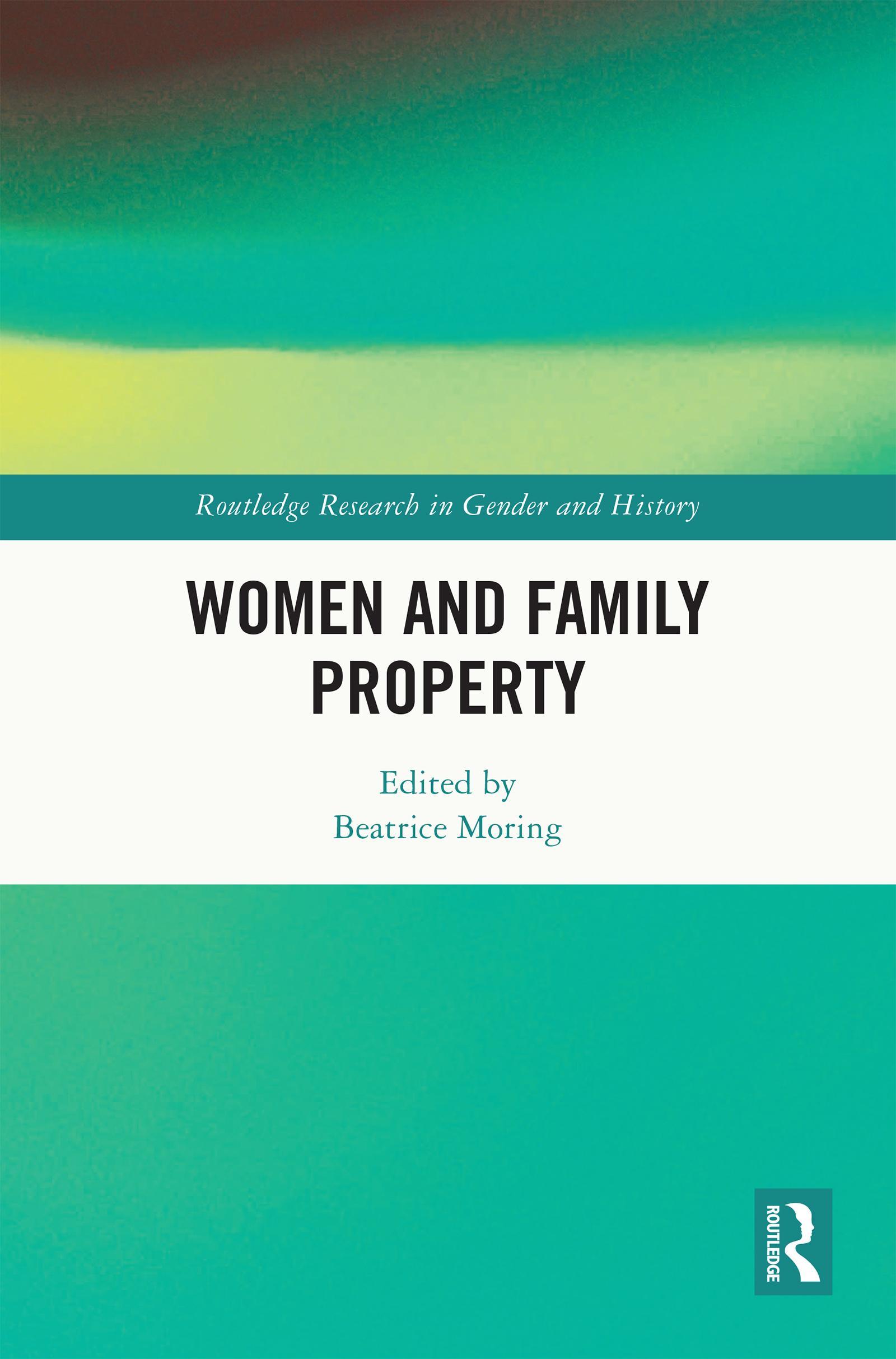
This book examines property legislation and the actual position of women in receiving, holding and passing on family property as daughters, wives and as widows throughout history.
Traditionally the prevailing view has been that women have been disadvantaged in the distribution of property and therefore less interesting as objects of study. This volume challenges this view and explores the securing of property for families or for individuals through transfers in the shape of dowries, marriage contracts, wills and other arrangements, as well as how women used and distributed the property they were holding.The scope of the volume is both urban and rural, analysing the position of women in relation to family property through contributions from a wide geographic area. The chapters investigate the situation in southern and northern Europe, across the Atlantic and Africa throughout the 18th to the 20th century.
This volume will be of value to academics, undergraduates, postgraduates and scholars interested in gender and history and social history.
Betaal eenvoudig met kaart, Klarna, Apple Pay of Google Pay. Niet tevreden? Je hebt altijd 14 dagen bedenktijd. Lees meer in onze voorwaarden. Heb je vragen, mail ons dan via hello@memmo.org.
Memmo maakt studeren makkelijker – waar je ook bent ter wereld. Wij brengen je cursusboeken en slimme studietools samen op één plek: samenvattingen, quizzen, podcasts en flashcards. En Ted, je studievriend die antwoord geeft op alles wat je je afvraagt. Meer dan 50.000 studenten studeren hier al – gebouwd om je sneller te laten leren en minder stress te geven.