
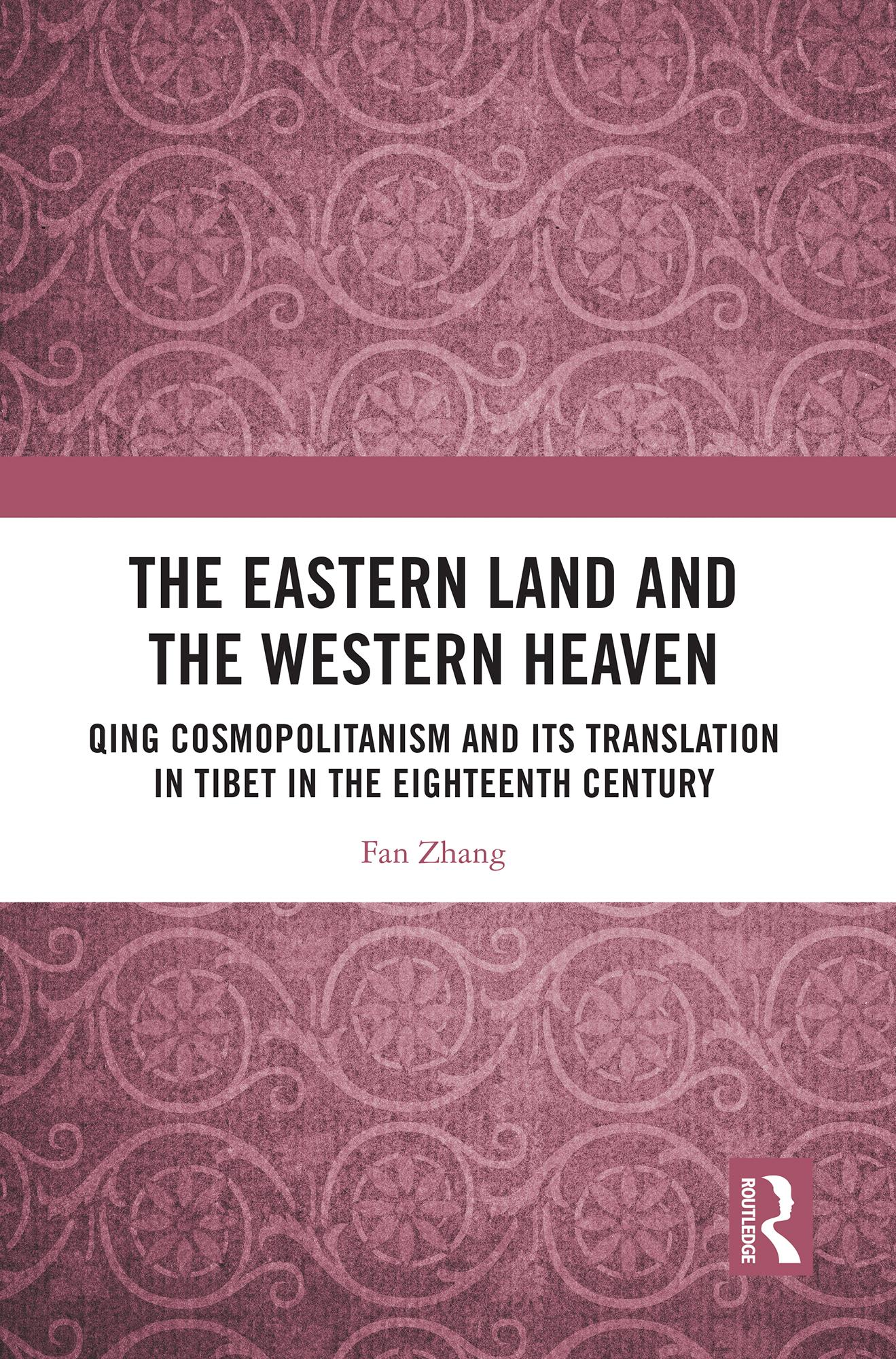
This book sheds light on the structure of “a unity with diversity” developed in the Qing imperial formation (1636–1912) by a case study of the Qing-Tibetan encounters in the eighteenth century.
By analyzing historical and ethnographical materials, the book investigates the translation of Chinese histories and stone inscriptions into Tibetan, the transformation of the landscapes at Mount Wutai and Lhasa, and the transplantation of Chinese deities and medical practices to Tibet. It demonstrates the processes in which the cosmopolitan interlocutors reified imperial integrity while expressing their diverse longings and belongings. It concludes that the Qing’s rule over its cultural others was neither simply Sinicizing nor colonizing, but a translational process in which multivocalic actors shared narratives, landscapes, and practices, while the emperor and tantric masters performed cosmic power over humans and metahumans.
This book cuts across the fields of anthropology, history, Chinese Studies, and Tibetan Studies. It reflects on the concepts of sovereignty and ethnicity, and it also extends the methodological horizon of historical anthropology.
Betaal eenvoudig met kaart, Klarna, Apple Pay of Google Pay. Niet tevreden? Je hebt altijd 14 dagen bedenktijd. Lees meer in onze voorwaarden. Heb je vragen, mail ons dan via hello@memmo.org.
Memmo maakt studeren makkelijker – waar je ook bent ter wereld. Wij brengen je cursusboeken en slimme studietools samen op één plek: samenvattingen, quizzen, podcasts en flashcards. En Ted, je studievriend die antwoord geeft op alles wat je je afvraagt. Meer dan 50.000 studenten studeren hier al – gebouwd om je sneller te laten leren en minder stress te geven.