
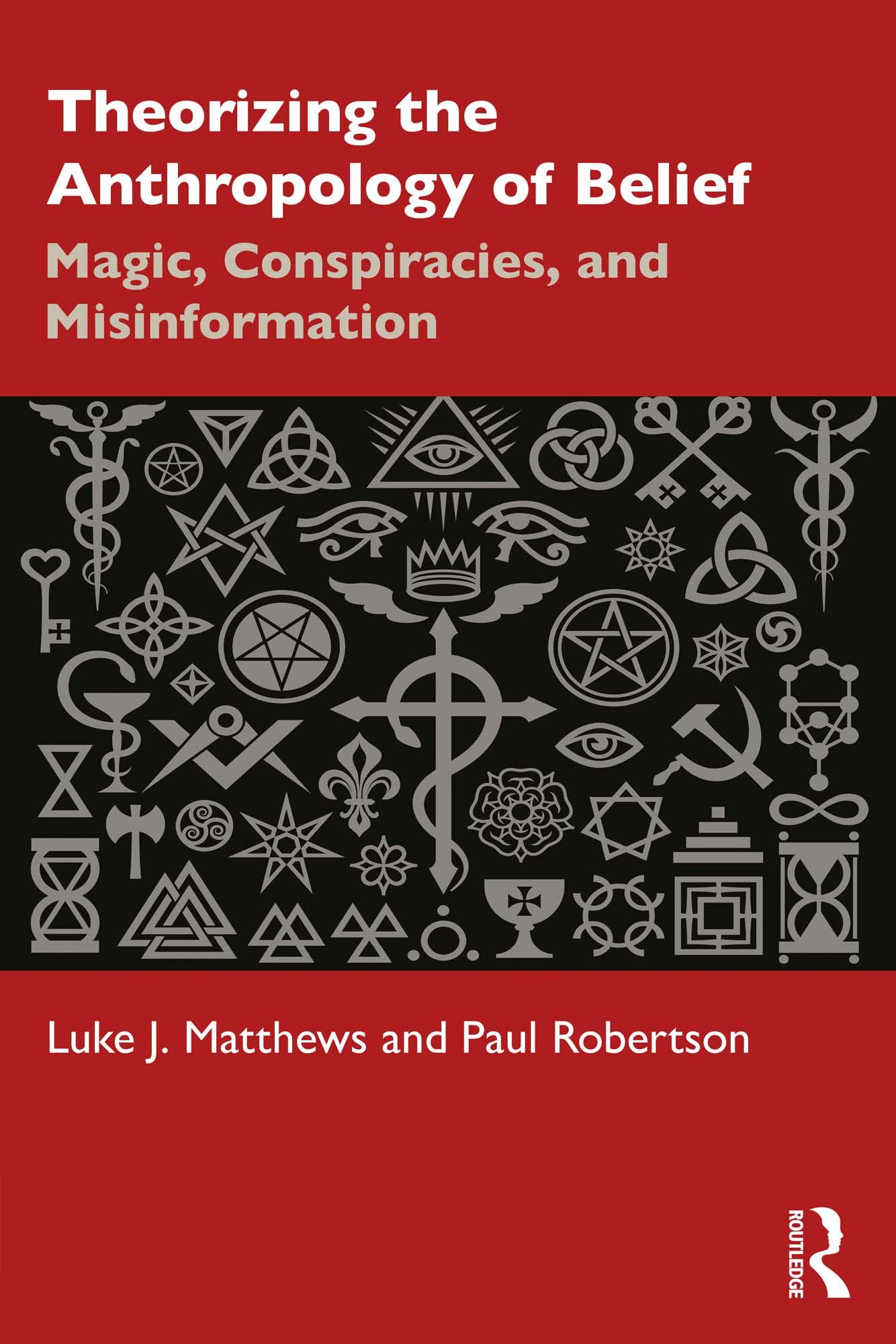
This book explores both scientific and humanistic theoretical traditions in anthropology through the lens of ontology.
The first part of the book examines different methods for generating valid anthropological knowledge and proposes a shift in current consensus. Drawing on Western scholars of antiquity and the medieval period and moving away from 20th-century theorists, it argues that we must first make ontological assumptions about the kinds of things that can exist (or not) before we can then develop epistemologies that study those kinds of things. The book goes on to apply the ontology-first theory to a set of case studies in modern day conspiracy theories, misinformation, and magical thinking. It asserts that we need to move away from unneeded metaphysical assumptions of conspiracy theories being misinformation and argues that reconstructing particular historical events can be a fruitful zone for application of quantitative methods to humanistic questions.
Theorizing the Anthropology of Belief is an excellent supplementary suitable for upper-level undergraduate and graduate courses in anthropological theory.
Betaal eenvoudig met kaart, Klarna, Apple Pay of Google Pay. Niet tevreden? Je hebt altijd 14 dagen bedenktijd. Lees meer in onze voorwaarden. Heb je vragen, mail ons dan via hello@memmo.org.
Memmo maakt studeren makkelijker – waar je ook bent ter wereld. Wij brengen je cursusboeken en slimme studietools samen op één plek: samenvattingen, quizzen, podcasts en flashcards. En Ted, je studievriend die antwoord geeft op alles wat je je afvraagt. Meer dan 50.000 studenten studeren hier al – gebouwd om je sneller te laten leren en minder stress te geven.