
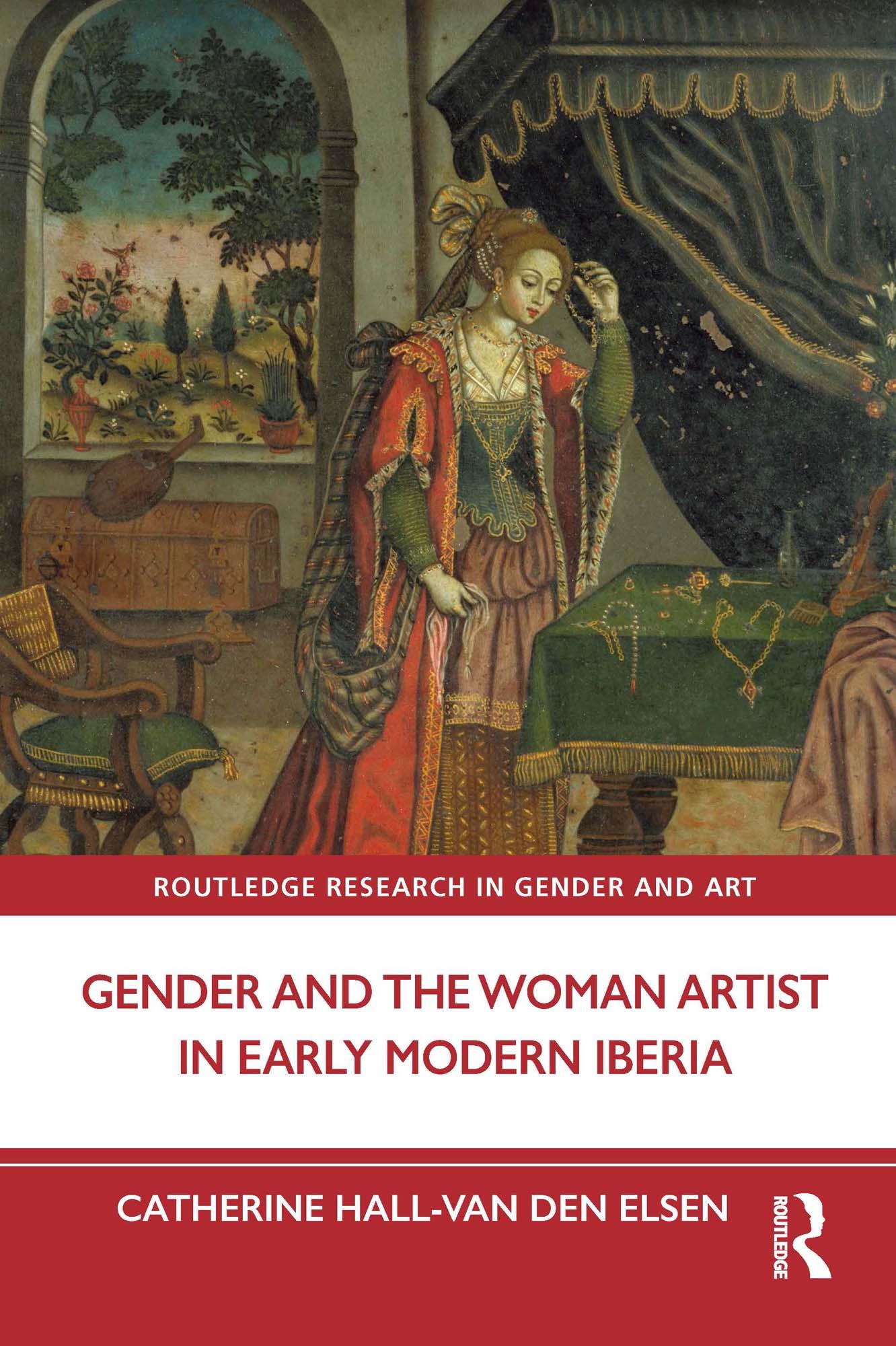
This monograph explores the social constructs surrounding artistic production in early modern Iberia through the lenses of gender and class by examining the rarely considered contribution of creative women in Spain and Portugal between 1550 and 1700.
Using the life-stage framework popular in texts of the period and drawing on a broad spectrum of materials including conduct guidebooks, treatises and conventual rules, this book examines the constraints imposed by gender-related social structures through microhistories of nuns, married, and unmarried women. The text spans class boundaries in its analysis of the work of painters, engravers, and sculptors, many of whom have until now eluded scholarly attention in English-language publications. An extensive bibliography promotes new avenues of inquiry into women’s contributions to the visual arts of the period.
This book will be of interest to scholars working in art history, gender studies, women’s history, early modern Iberian studies, and Renaissance studies.
Betaal eenvoudig met kaart, Klarna, Apple Pay of Google Pay. Niet tevreden? Je hebt altijd 14 dagen bedenktijd. Lees meer in onze voorwaarden. Heb je vragen, mail ons dan via hello@memmo.org.
Memmo maakt studeren makkelijker – waar je ook bent ter wereld. Wij brengen je cursusboeken en slimme studietools samen op één plek: samenvattingen, quizzen, podcasts en flashcards. En Ted, je studievriend die antwoord geeft op alles wat je je afvraagt. Meer dan 50.000 studenten studeren hier al – gebouwd om je sneller te laten leren en minder stress te geven.