
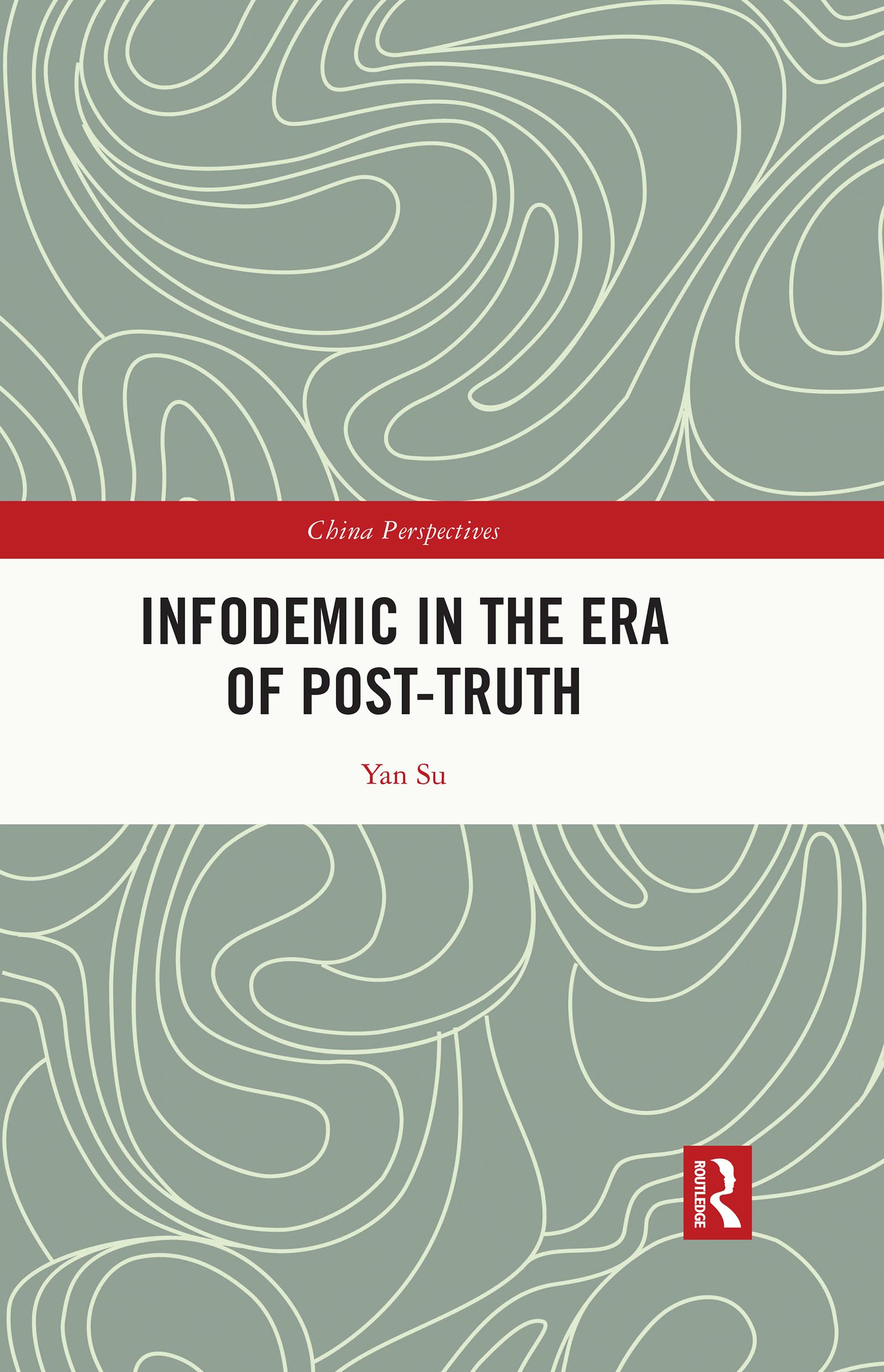
With the revolution in information technology, concerns about the proliferation of false, unverified, and misleading information have been growing. As one of the severe public health crises in modern history, the COVID-19 pandemic has provided a novel context for the "post-truth" research. In a "post-truth" era, people are no longer interested in investigating objective facts, but tend to curl up in echo chambers and resonate with like-minded others. Against this backdrop, this book (1) systematically conceptualises "post-truth" and analyzes its defining characteristics and driving forces, (2) examines the nuanced effects of information sources and news consumption behaviours and strategies on COVID-19 misperceptions and knowledge, (3) explores the role of social media in shaping COVID-19-related misperceptions and knowledge, and (4) highlights the importance of news media literacy in navigating the "post-truth" era.
The book will be essential reading for students and scholars of media and film studies, communication studies and comparative studies. It will also be a useful reference for medical and media professionals such as doctors, nurses and journalists.
Betaal eenvoudig met kaart, Klarna, Apple Pay of Google Pay. Niet tevreden? Je hebt altijd 14 dagen bedenktijd. Lees meer in onze voorwaarden. Heb je vragen, mail ons dan via hello@memmo.org.
Memmo maakt studeren makkelijker – waar je ook bent ter wereld. Wij brengen je cursusboeken en slimme studietools samen op één plek: samenvattingen, quizzen, podcasts en flashcards. En Ted, je studievriend die antwoord geeft op alles wat je je afvraagt. Meer dan 50.000 studenten studeren hier al – gebouwd om je sneller te laten leren en minder stress te geven.