
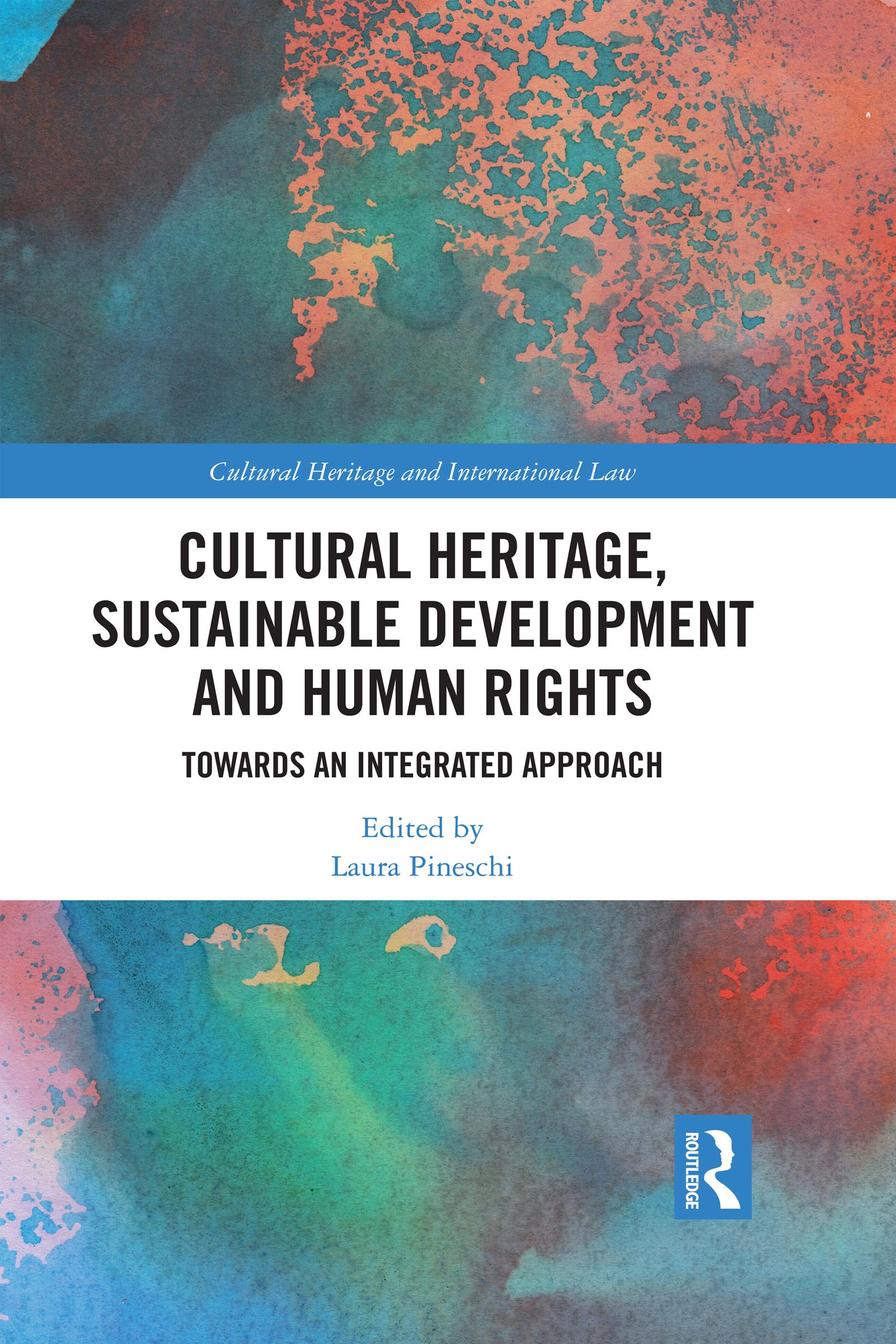
The importance of cultural heritage - in both its tangible and intangible forms - to sustainable development and its economic, social and environmental components is increasingly evident in the recent practice of intergovernmental and non-governmental organizations at the universal and regional level.
Due consideration for the integration of the cultural dimension in the implementation of Agenda 2030 has begun to grow in various international fora, including initiatives to emphasize the role and contribution of tangible and intangible heritage as drivers and enablers of sustainable development. It has also been recognized that the inherent links between cultural heritage and sustainable development cannot be correctly addressed without taking into account their various implications for the effective enjoyment of all human rights, including cultural rights.
This book offers a thorough academic investigation on the importance of cultural heritage to sustainable development and cultural rights from an international law perspective. Providing an in-depth review of the possible intersections between cultural heritage, sustainable development and cultural rights and the limits of the current legal and institutional framework, it will be of interest to researchers and scholars of international law, cultural heritage law, environmental law and human rights law.
Betaal eenvoudig met kaart, Klarna, Apple Pay of Google Pay. Niet tevreden? Je hebt altijd 14 dagen bedenktijd. Lees meer in onze voorwaarden. Heb je vragen, mail ons dan via hello@memmo.org.
Memmo maakt studeren makkelijker – waar je ook bent ter wereld. Wij brengen je cursusboeken en slimme studietools samen op één plek: samenvattingen, quizzen, podcasts en flashcards. En Ted, je studievriend die antwoord geeft op alles wat je je afvraagt. Meer dan 50.000 studenten studeren hier al – gebouwd om je sneller te laten leren en minder stress te geven.