
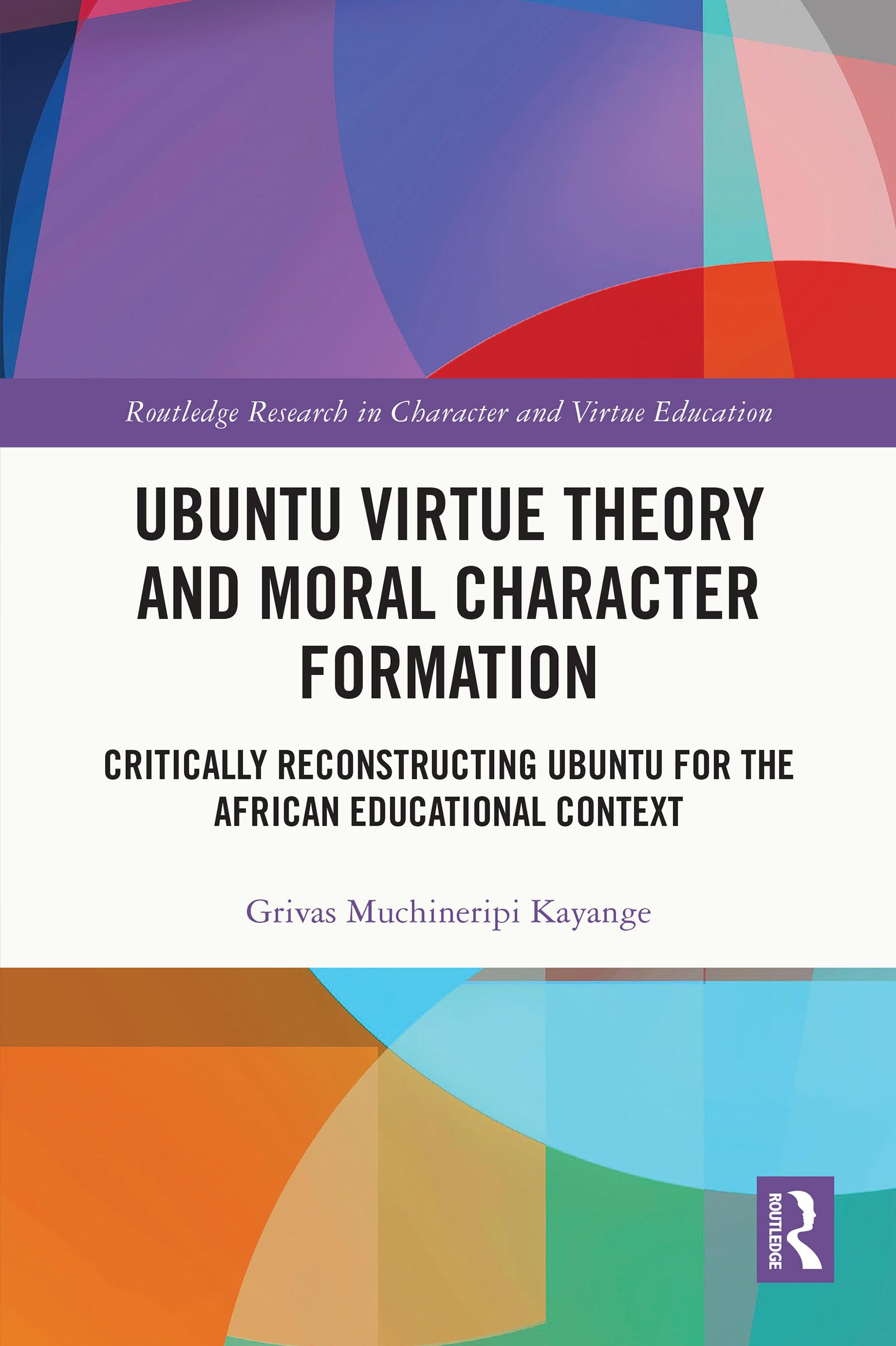
This book investigates the ubuntu theory-based conception of virtue and moral character formation in the northern, western, and eastern regions of Africa, suggesting a critical reconstruction of ubuntu by conceptualising the four different forms of practices in moral character formation.
Arguing for the critical reconstruction of ubuntu virtue theory as more nuanced than simply the standard ubuntu normative virtue theories (which give priority to the community as the sole locus for understanding virtues and character formation in Africa), the book builds a comprehensive model of virtue and moral character formation that draws insights from the reconstructed notion of ubuntu and other theories within and beyond the African thought. Chapters feature experience from across Africa including Malawi, Zambia, Zimbabwe, Uganda, Kenya, and South Africa, and centre on topics such as traditional cultural views and practices, political systems in various nations, neoliberalist thought, and primary, secondary and tertiary education systems in Africa and further afield.
This is a valuable resource for scholars, academics, and postgraduate students, working in the fields of moral and values education, philosophy of education, and the theory of education more broadly. Those also interested in educational psychology may also find the volume of interest.
Betaal eenvoudig met kaart, Klarna, Apple Pay of Google Pay. Niet tevreden? Je hebt altijd 14 dagen bedenktijd. Lees meer in onze voorwaarden. Heb je vragen, mail ons dan via hello@memmo.org.
Memmo maakt studeren makkelijker – waar je ook bent ter wereld. Wij brengen je cursusboeken en slimme studietools samen op één plek: samenvattingen, quizzen, podcasts en flashcards. En Ted, je studievriend die antwoord geeft op alles wat je je afvraagt. Meer dan 50.000 studenten studeren hier al – gebouwd om je sneller te laten leren en minder stress te geven.