
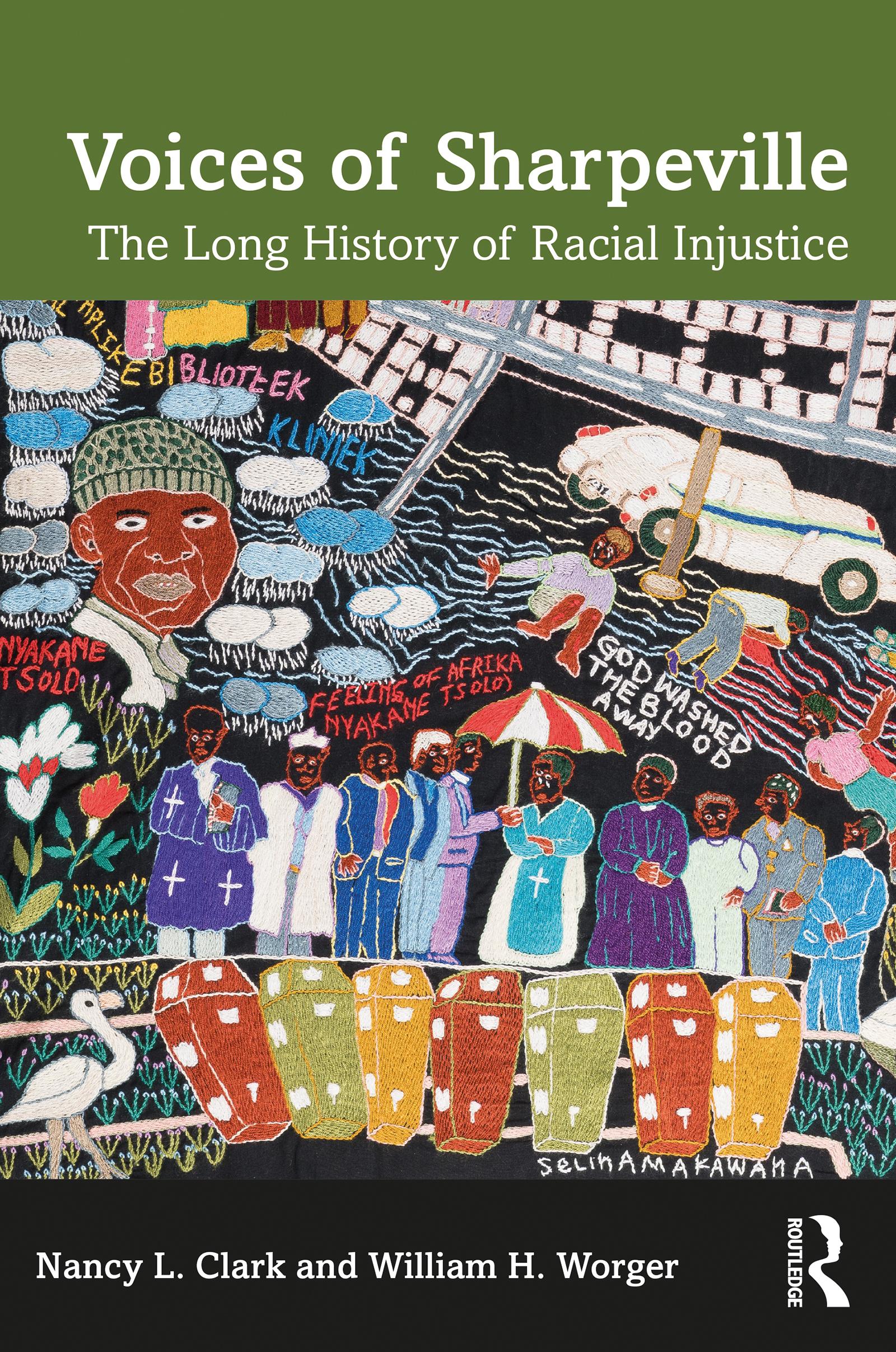
This is the first in-depth study of Sharpeville, the South African township that was the site of the infamous police massacre of March 21, 1960, the event that prompted the United Nations to declare apartheid a "crime against humanity."
Voices of Sharpeville brings to life the destruction of Sharpeville’s predecessor, Top Location, and the careful planning of its isolated and carceral design by apartheid architects. A unique set of eyewitness testimonies from Sharpeville’s inhabitants reveals how they coped with apartheid and why they rose up to protest this system, narrating this massacre for the first time in the words of the participants themselves. Previously understood only through the iconic photos of fleeing protestors and dead bodies, the timeline is reconstructed using an extensive archive of new documentary and oral sources including unused police records, personal interviews with survivors and their families, and maps and family photos. By identifying nearly all the victims, many omitted from earlier accounts, the authors upend the official narrative of the massacre.
Amid worldwide struggles against racial discrimination and efforts to give voices to protestors and victims of state violence, this book provides a deeper understanding of this pivotal event for a newly engaged international audience.
Betaal eenvoudig met kaart, Klarna, Apple Pay of Google Pay. Niet tevreden? Je hebt altijd 14 dagen bedenktijd. Lees meer in onze voorwaarden. Heb je vragen, mail ons dan via hello@memmo.org.
Memmo maakt studeren makkelijker – waar je ook bent ter wereld. Wij brengen je cursusboeken en slimme studietools samen op één plek: samenvattingen, quizzen, podcasts en flashcards. En Ted, je studievriend die antwoord geeft op alles wat je je afvraagt. Meer dan 50.000 studenten studeren hier al – gebouwd om je sneller te laten leren en minder stress te geven.