
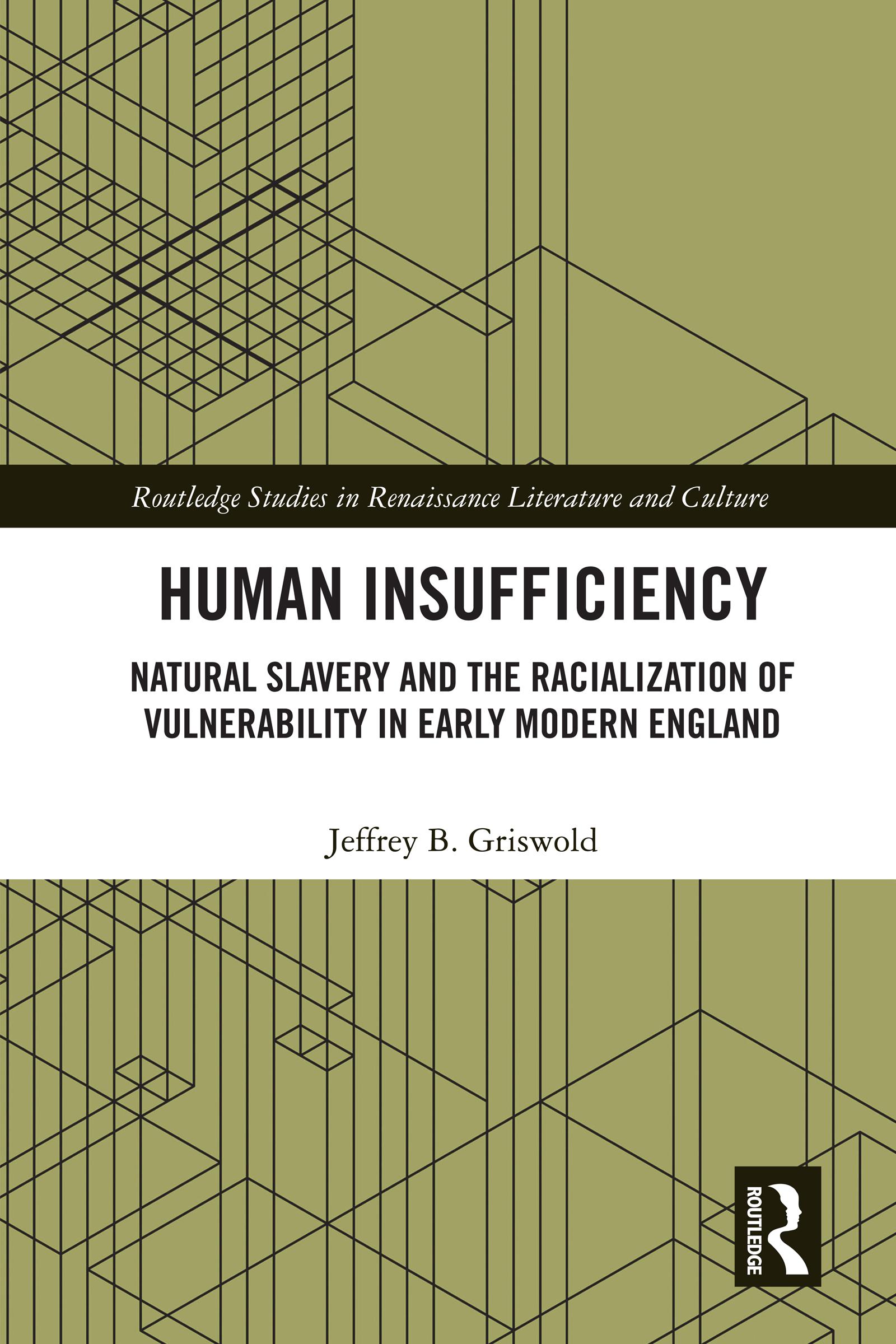
Human Insufficiency argues that early modern writers depict the human political subject as physically vulnerable in order to naturalize slavery. Representations of Man as a weak creature—“poor” and “bare” in King Lear’s words—strategically portrayed English bodies as needing care from people who were imagined to be less fragile. Drawing on Aristotle’s depictions of the natural master and the natural slave in the Politics, English writers distinguished the fully human political subject from the sub-human Slave who would care for his feeble body. This justification of a nascent slaving economy reinvents the violence of enslaving Afro-diasporic peoples as a natural system of care. Human Insufficiency’s most important contribution to early modern critical race studies is expanding the scope of the human as a racialized category by demonstrating how depictions of Man as a vulnerable species were part of a discourse racializing slavery.
Betaal eenvoudig met kaart, Klarna, Apple Pay of Google Pay. Niet tevreden? Je hebt altijd 14 dagen bedenktijd. Lees meer in onze voorwaarden. Heb je vragen, mail ons dan via hello@memmo.org.
Memmo maakt studeren makkelijker – waar je ook bent ter wereld. Wij brengen je cursusboeken en slimme studietools samen op één plek: samenvattingen, quizzen, podcasts en flashcards. En Ted, je studievriend die antwoord geeft op alles wat je je afvraagt. Meer dan 50.000 studenten studeren hier al – gebouwd om je sneller te laten leren en minder stress te geven.