
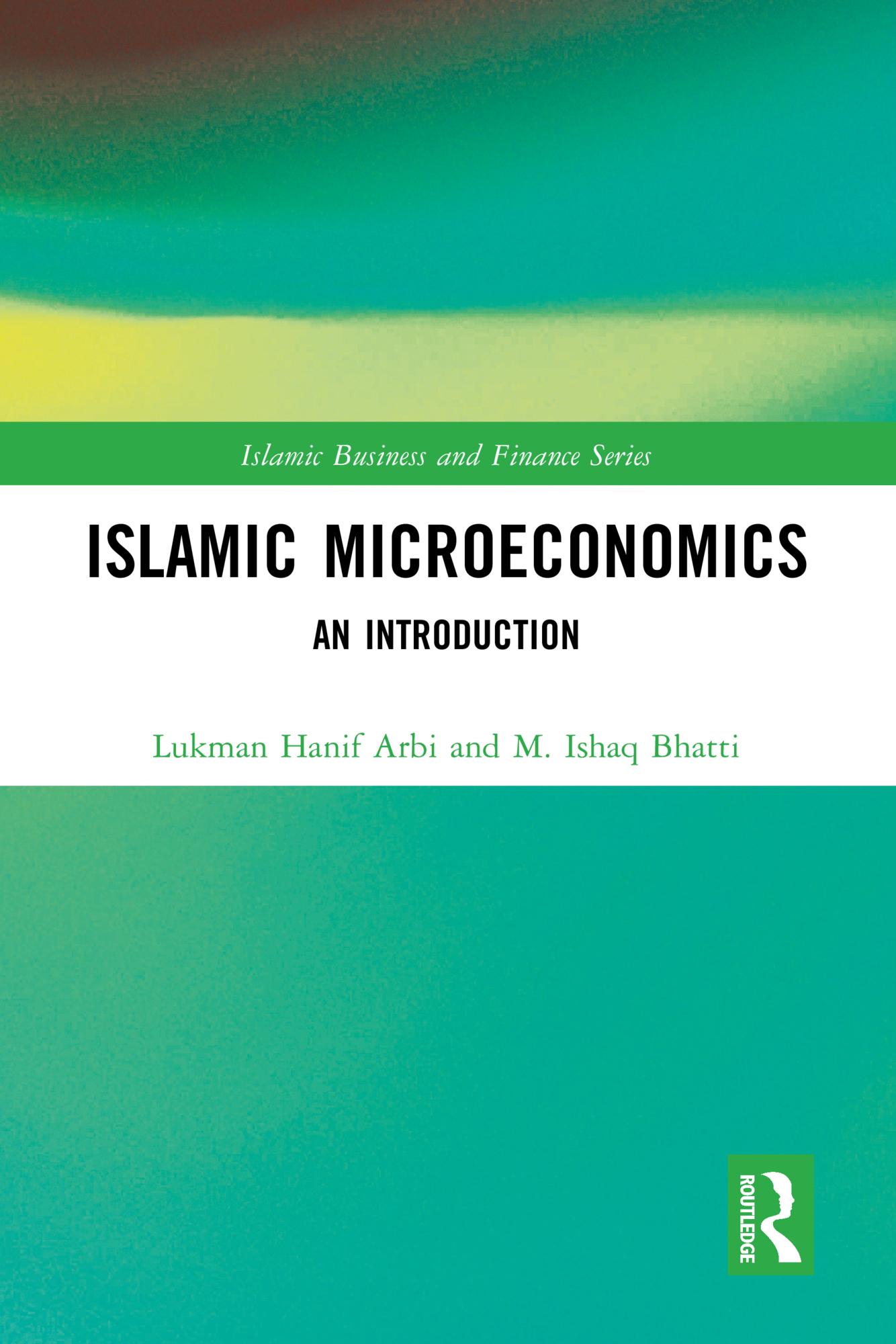
This book bridges the gap between Islamic and conventional (micro)economics by demonstrating how modern tools and theories of microeconomics can be applied to Islamic assumptions regarding economics and finance. In contrast to the tendency for Islamic economics and finance proponents to use qualitative and normative approaches based on idealistic assumptions, this book demonstrates how one can instead construct analytical models of Islamic economics and finance and simply compare the implications with those predominant in today’s world. This book also offers extensive literature reviews demonstrating that for a long time, the gap between Islamic and conventional economics and finance is not as wide as previously thought, allowing those with an interest in both fields to participate more effectively and meaningfully in the ongoing discourse between the two fields.
The authors conceptualize a general approach and apply it to basic consumer theory. More advanced microeconomic ideas are then discussed, culminating in demonstrations of how contract theory can facilitate a deeper analysis and appreciation of Islamic financial securities. A wide spectrum of academic literature on both Islamic and conventional economics and finance is drawn upon to facilitate a better appreciation for both fields and to inspire future works comparing the two in a more objective manner.
Betaal eenvoudig met kaart, Klarna, Apple Pay of Google Pay. Niet tevreden? Je hebt altijd 14 dagen bedenktijd. Lees meer in onze voorwaarden. Heb je vragen, mail ons dan via hello@memmo.org.
Memmo maakt studeren makkelijker – waar je ook bent ter wereld. Wij brengen je cursusboeken en slimme studietools samen op één plek: samenvattingen, quizzen, podcasts en flashcards. En Ted, je studievriend die antwoord geeft op alles wat je je afvraagt. Meer dan 50.000 studenten studeren hier al – gebouwd om je sneller te laten leren en minder stress te geven.