
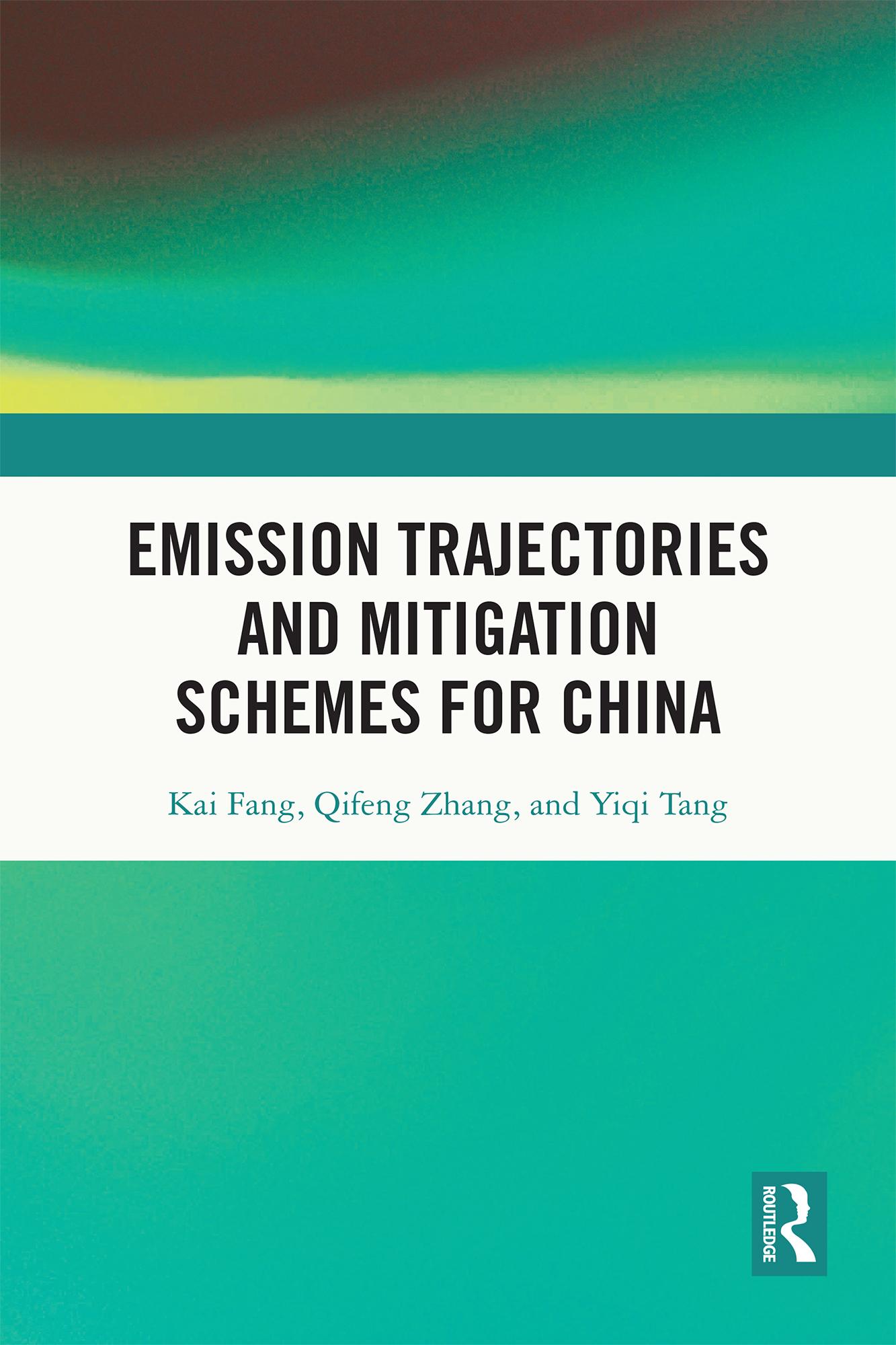
This book seeks to model the possible emission trajectories and identify the feasible mitigation schemes for China to meet its climate commitments to peak emissions before 2030 and net zero emissions before 2060.
In line with these ambitions, China has taken a number of measures to improve carbon efficiency and energy structure in recent years. The book first analyzes changes in the carbon footprint at the city level, identify the different pathways to peak emissions by province and industry, and develop a bottom-up approach to determining when and how China could reach peak emissions. It then illustrates how the Emissions Trading Scheme (ETS) reduces abatement costs, and examines the cost-saving effects under carbon intensity reduction and peak emissions targets. Based on the findings and the status quo in China, the authors propose a multicriteria allocation scheme for carbon emission allowances at the provincial level and quantify the impact of sectoral coverage on the abatement costs of the ETS by developing a cost-based approach to sectoral coverage in China. In addition, the co-benefits between CO2 and PM2.5 reductions as a result of the ETS operation are elaborated.
The book will benefit researchers and policy-makers interested in environmental governance, climate policy, environmental economics, and sustainable development.
Betaal eenvoudig met kaart, Klarna, Apple Pay of Google Pay. Niet tevreden? Je hebt altijd 14 dagen bedenktijd. Lees meer in onze voorwaarden. Heb je vragen, mail ons dan via hello@memmo.org.
Memmo maakt studeren makkelijker – waar je ook bent ter wereld. Wij brengen je cursusboeken en slimme studietools samen op één plek: samenvattingen, quizzen, podcasts en flashcards. En Ted, je studievriend die antwoord geeft op alles wat je je afvraagt. Meer dan 50.000 studenten studeren hier al – gebouwd om je sneller te laten leren en minder stress te geven.