
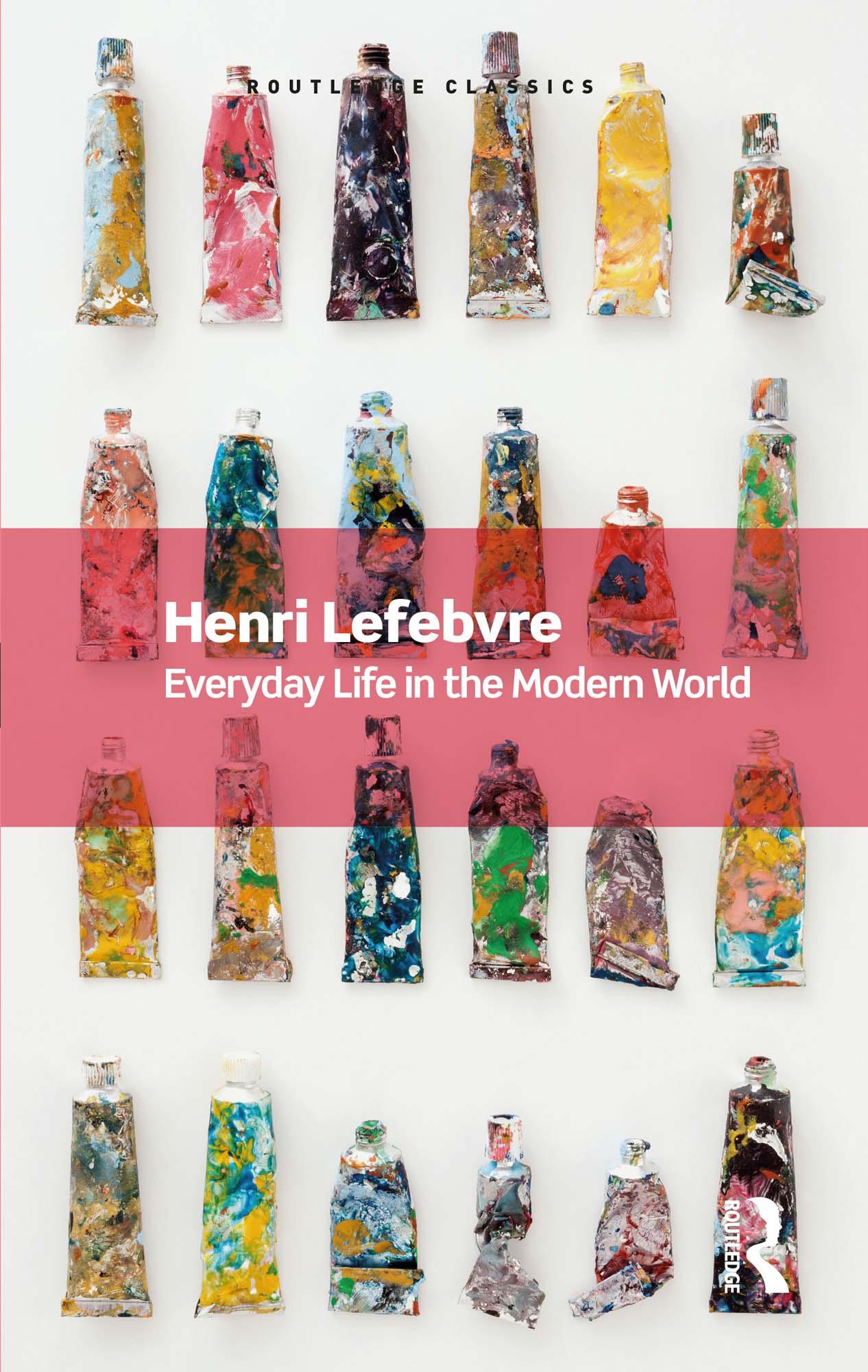
Philosopher, sociologist and urban theorist, Henri Lefebvre (1901–1991) was one of the great social theorists of the twentieth century and pioneered the theorization of everyday life and space.
In this fascinating book, which became a manifesto for urban activism upon its first publication in the 1960s, Lefebvre poses a major question: what gives a society undergoing constant change the illusion of stability? For Lefebvre, the answer is that our everyday lives are the product of decisions from which we are alienated, resulting in what he memorably describes as 'terror-enforced passivity'. Modern capitalism produces and controls the space around us: the buildings we work in, the roads we drive on and even the parks surrounding us are artificial and controlled, isolating the individual in a life of repetition. Lefebvre rejects such a world of control and monotony, urging instead a spontaneous, utopian creativity, in which human beings can engage in meaningful work and leisure.
Profound and prophetic for its insights into the impact of capitalism and urbanization, Everyday Life in the Modern World remains a classic work by a towering thinker and essential reading today.
This Routledge Classics edition includes a new Foreword by Claire Revol and Rob Shields.
Betaal eenvoudig met kaart, Klarna, Apple Pay of Google Pay. Niet tevreden? Je hebt altijd 14 dagen bedenktijd. Lees meer in onze voorwaarden. Heb je vragen, mail ons dan via hello@memmo.org.
Memmo maakt studeren makkelijker – waar je ook bent ter wereld. Wij brengen je cursusboeken en slimme studietools samen op één plek: samenvattingen, quizzen, podcasts en flashcards. En Ted, je studievriend die antwoord geeft op alles wat je je afvraagt. Meer dan 50.000 studenten studeren hier al – gebouwd om je sneller te laten leren en minder stress te geven.