
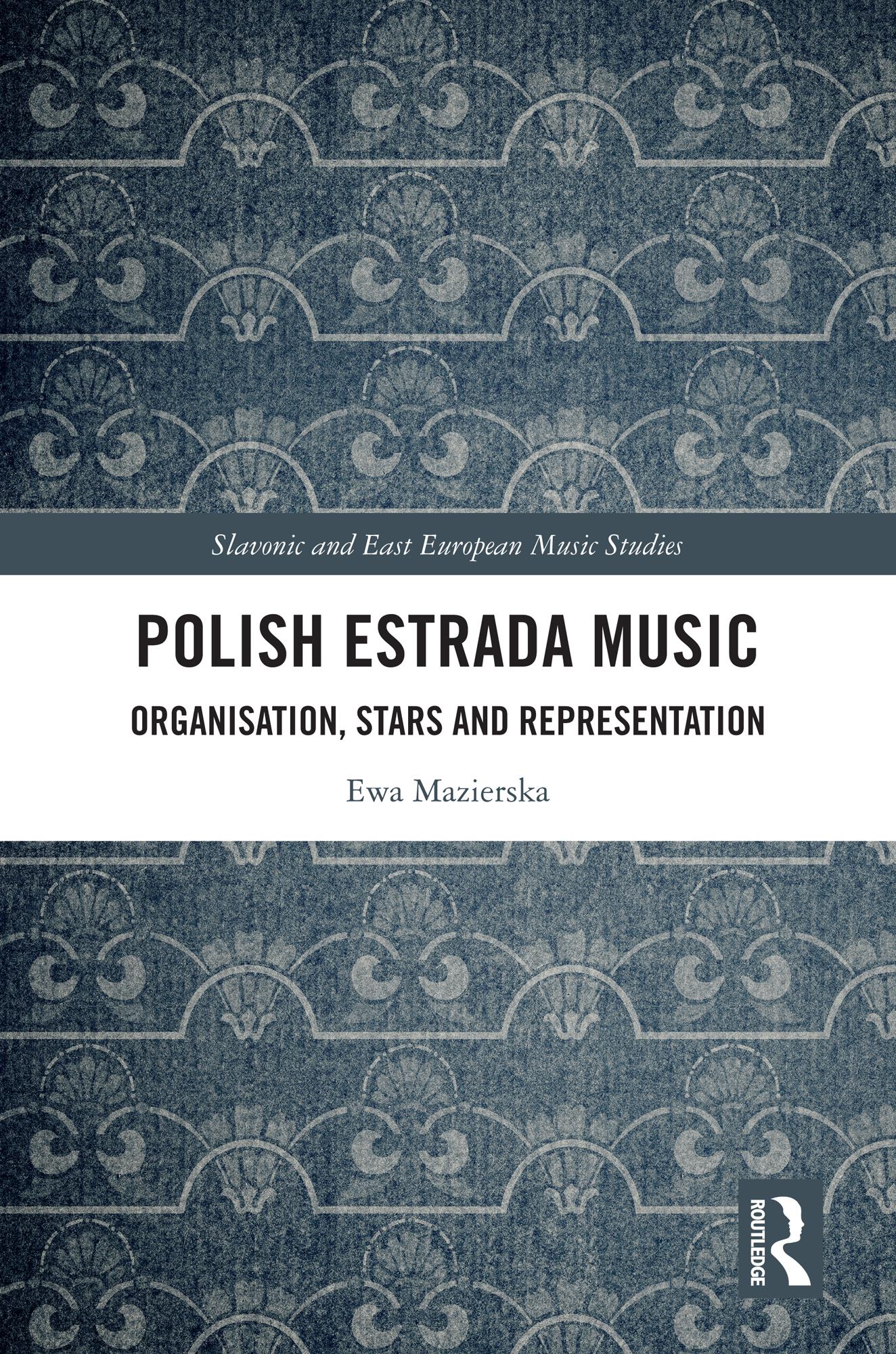
Polish estrada music dominated Polish popular music throughout the state socialist period but gained little attention from popular music scholars because it was regarded as being of low quality and politically conformist. Ewa Mazierska carefully examines these assumptions, considering those institutions which catered for the needs of estrada artists and their fans, the presence of estrada in different media and the careers and styles of the leading stars, such as Mieczysław Fogg, Irena Santor, Violetta Villas, Anna German, Jerzy Połomski, Maryla Rodowicz, Zdzisława Sośnicka, Zbigniew Wodecki and Izabela Trojanowska. Mazierska also discusses the memory and legacy of estrada music in the postcommunist period. The book draws on Poland’s cultural and political history and the history of Polish popular music and media, including television and radio. Mazierska engages with concepts such as genre, stardom and authenticity in order to capture the essence of Polish estrada music and to provide a comparison with popular music produced in other countries.
Betaal eenvoudig met kaart, Klarna, Apple Pay of Google Pay. Niet tevreden? Je hebt altijd 14 dagen bedenktijd. Lees meer in onze voorwaarden. Heb je vragen, mail ons dan via hello@memmo.org.
Memmo maakt studeren makkelijker – waar je ook bent ter wereld. Wij brengen je cursusboeken en slimme studietools samen op één plek: samenvattingen, quizzen, podcasts en flashcards. En Ted, je studievriend die antwoord geeft op alles wat je je afvraagt. Meer dan 50.000 studenten studeren hier al – gebouwd om je sneller te laten leren en minder stress te geven.