
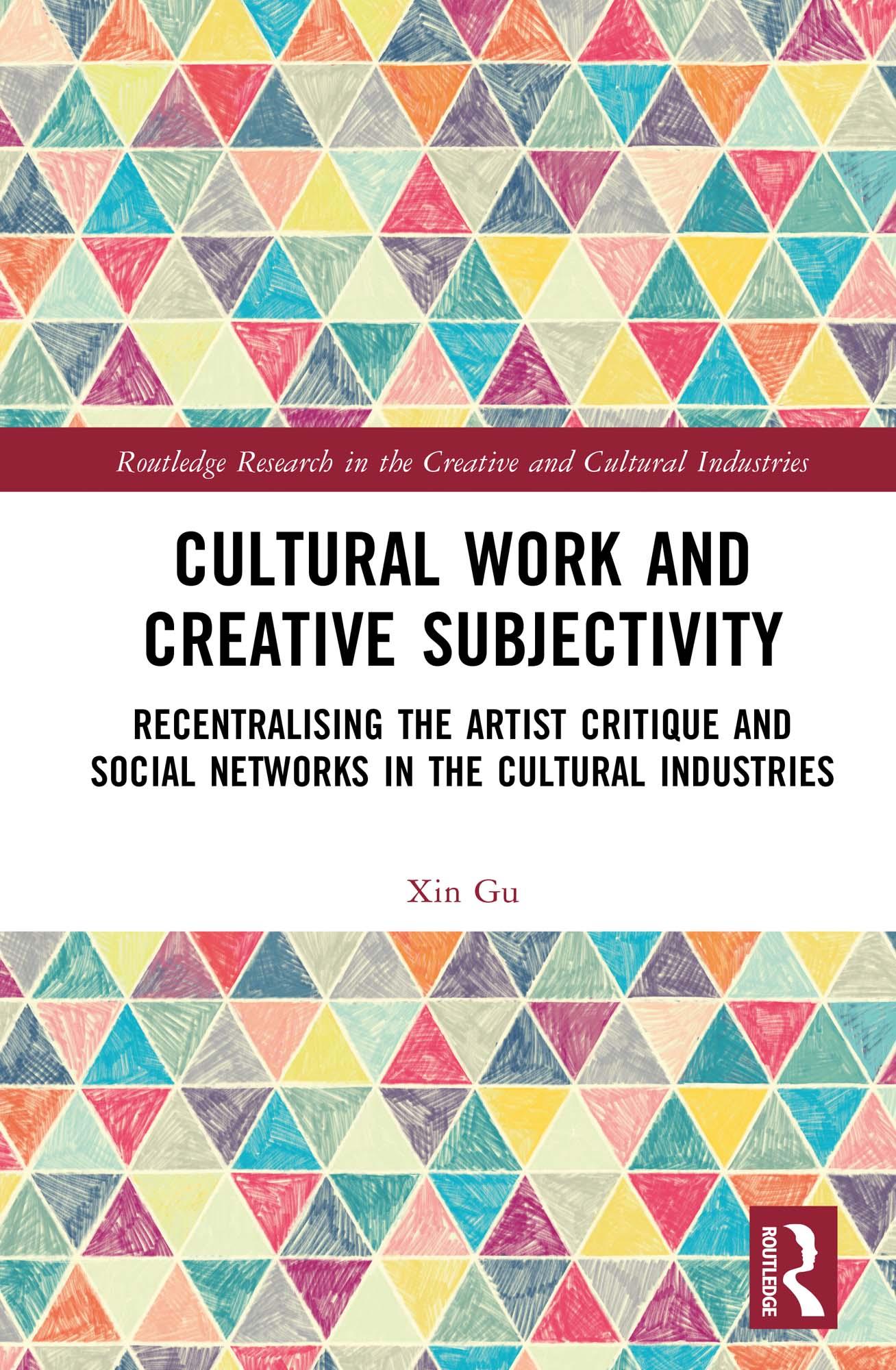
This book critically investigates the declining status of creative workers in contemporary societies following changes associated with the neoliberal creativity discourse – from the distribution of resources around cultural production to consumption, and from the management of ‘labour time’ to ‘life time’. These changes have narrowed career pathways for creative workers, resulting in exploitative working conditions for both professionals and amateurs. The contemporary cultural industries accentuate entrepreneurialism, informed by ‘social network markets’ and a capacity to engage technologised consumer culture.
This book suggests that a radically different view is needed to understand how creative workers justify their continued participation in the cultural industries. It pays particular attention to the identities of marginalised cultural workers (underpaid or under-rewarded) and argues that cultural work cannot be understood as a route into entrapment by self-exploitation (sacrificial labour) nor as an abstract form of creative autonomy. Creative workers must engage the ‘artist critique’ to re-claim the social values of making culture as ‘public labour’.
Bringing together theory and practice via contemporary case studies, this book is a significant contribution to research on the cultural economy and will be of interest to researchers in this field and practitioners in the management of cultural work.
Betaal eenvoudig met kaart, Klarna, Apple Pay of Google Pay. Niet tevreden? Je hebt altijd 14 dagen bedenktijd. Lees meer in onze voorwaarden. Heb je vragen, mail ons dan via hello@memmo.org.
Memmo maakt studeren makkelijker – waar je ook bent ter wereld. Wij brengen je cursusboeken en slimme studietools samen op één plek: samenvattingen, quizzen, podcasts en flashcards. En Ted, je studievriend die antwoord geeft op alles wat je je afvraagt. Meer dan 50.000 studenten studeren hier al – gebouwd om je sneller te laten leren en minder stress te geven.