
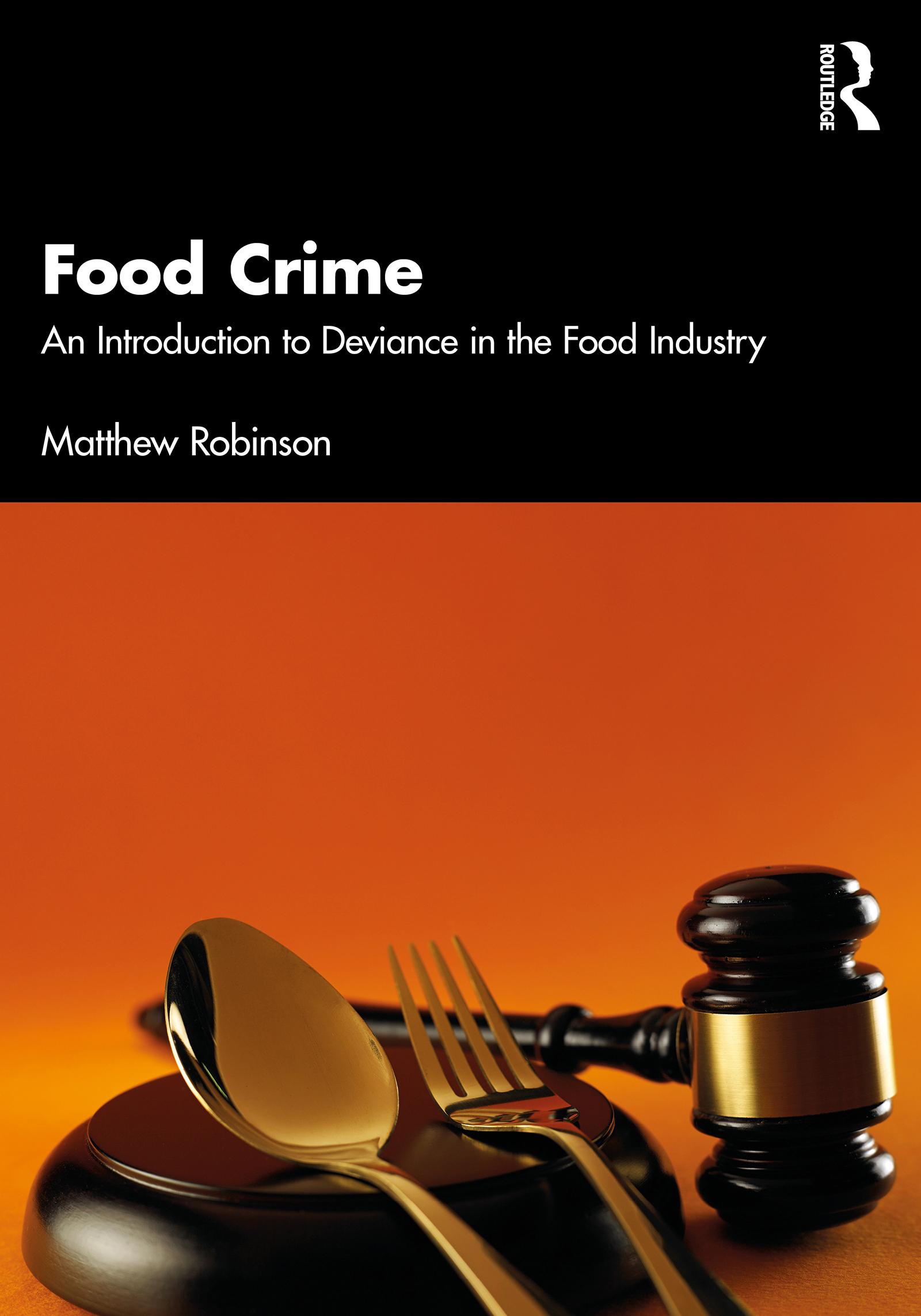
This book addresses the various forms of deviance and criminality found within the conventional food system. This system—made up of numerous producers, processors, distributors, and retailers of food—has significant, far-reaching consequences bearing upon the environment and society.
Food Crime broadly outlines the processes and impacts of this food system most relevant for the academic discipline of criminology, with a focus on the negative health outcomes of the US diet (e.g., obesity and diabetes) and negative outcomes associated with the system itself (e.g., environmental degradation). The author introduces the concept of "food criminology," a new branch of criminology dedicated to the study of deviance in the food industry. Demonstrating the deviance and criminality involved in many parts of the conventional food system, this book is the first to provide exhaustive coverage of the major issues related to what can be considered food crime. Embedded in the context of state-corporate criminality, the concepts and practices exposed in this book bring attention to harms associated with the conventional food system and illustrate the degree of culpability of food companies and government agencies for these harms.
This book is of interest to students, scholars, and practitioners seeking a more just and healthy food system and encourages further future research into food crimes in the disciplines of criminology, criminal justice, and sociology.
Betaal eenvoudig met kaart, Klarna, Apple Pay of Google Pay. Niet tevreden? Je hebt altijd 14 dagen bedenktijd. Lees meer in onze voorwaarden. Heb je vragen, mail ons dan via hello@memmo.org.
Memmo maakt studeren makkelijker – waar je ook bent ter wereld. Wij brengen je cursusboeken en slimme studietools samen op één plek: samenvattingen, quizzen, podcasts en flashcards. En Ted, je studievriend die antwoord geeft op alles wat je je afvraagt. Meer dan 50.000 studenten studeren hier al – gebouwd om je sneller te laten leren en minder stress te geven.