
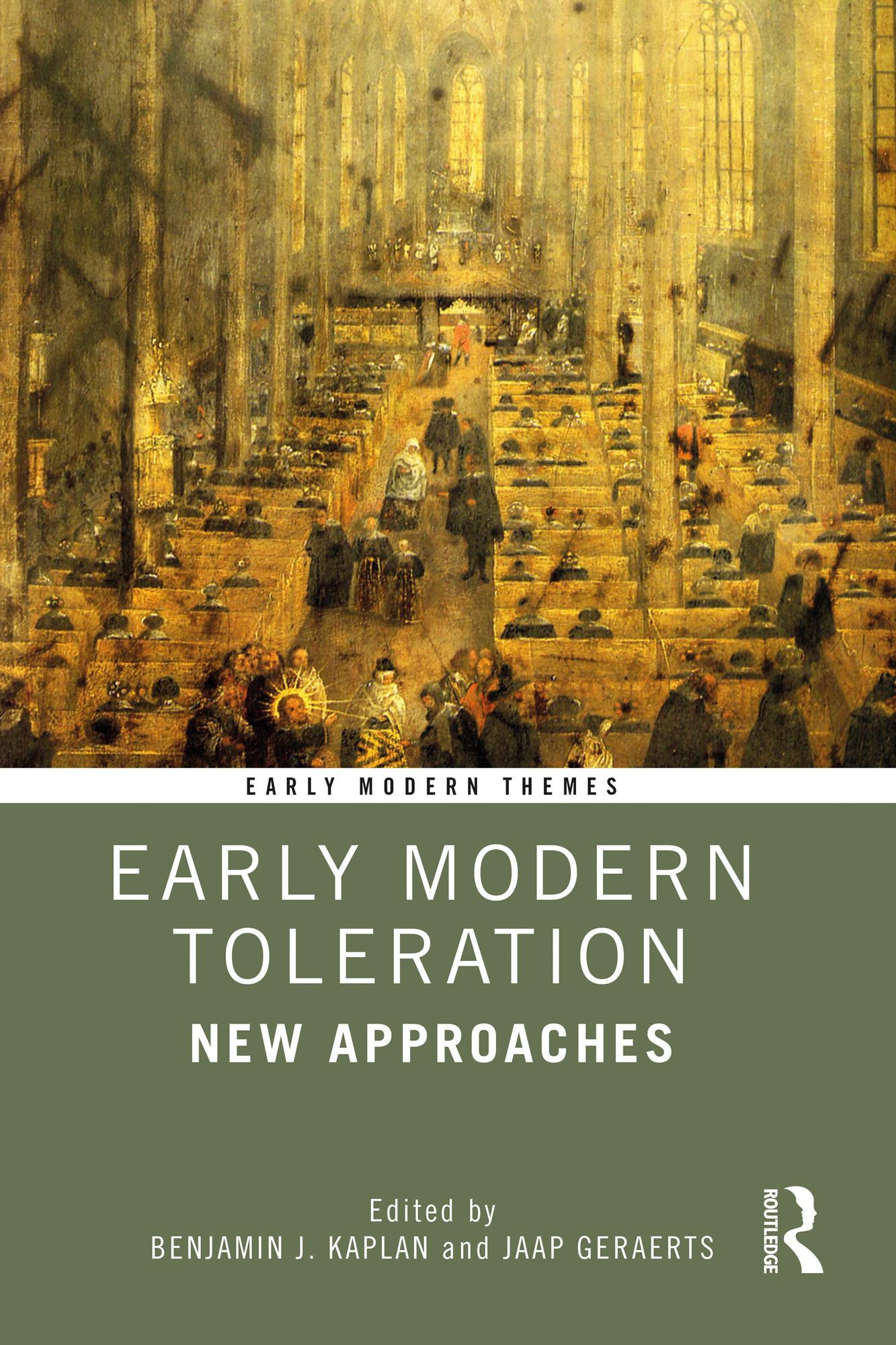
This book examines the practice of toleration and the experience of religious diversity in the early modern world.
Recent scholarship has shown the myriad ways in which religious differences were accommodated in the early modern era (1500–1800). This book propels this revisionist wave further by linking the accommodation of religious diversity in early modern communities to the experience of this diversity by individuals. It does so by studying the forms and patterns of interaction between members of different religious groups, including Christian denominations, Muslims, and Jews, in territories ranging from Europe to the Americas and South-East Asia. This book is structured around five key concepts: the senses, identities, boundaries, interaction, and space. For each concept, the book provides chapters based on new, original research plus an introduction that situates the chapters in their historiographic context.
Early Modern Toleration: New Approaches is aimed primarily at undergraduate and postgraduate students, to whom it offers an accessible introduction to the study of religious toleration in the early modern era. Additionally, scholars will find cutting-edge contributions to the field in the book’s chapters.
Betaal eenvoudig met kaart, Klarna, Apple Pay of Google Pay. Niet tevreden? Je hebt altijd 14 dagen bedenktijd. Lees meer in onze voorwaarden. Heb je vragen, mail ons dan via hello@memmo.org.
Memmo maakt studeren makkelijker – waar je ook bent ter wereld. Wij brengen je cursusboeken en slimme studietools samen op één plek: samenvattingen, quizzen, podcasts en flashcards. En Ted, je studievriend die antwoord geeft op alles wat je je afvraagt. Meer dan 50.000 studenten studeren hier al – gebouwd om je sneller te laten leren en minder stress te geven.