
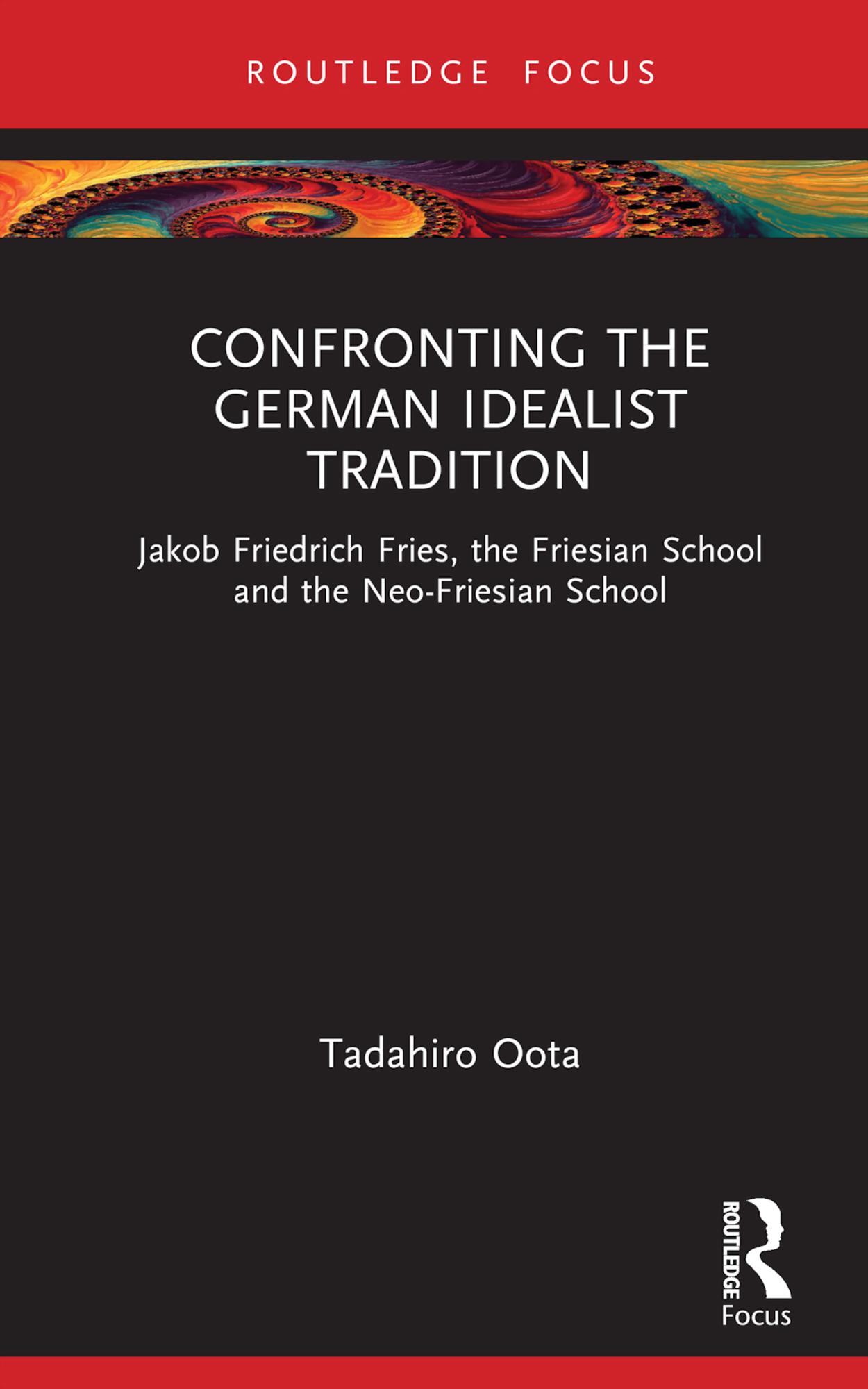
The philosophical activity of modern Germany represents a peak in the history of philosophy beginning from Thales in ancient Greece. This book attempts to reconsider the conventional image of 19th-century German philosophy. To this end, it illuminates a forgotten philosophical stream contemporaneous with so-called "German idealism."
From this perspective, this book examines the philosophy of Jakob Friedrich Fries, a philosopher contemporaneous and in confrontation with Hegel. By examining Fries’ standpoint, the book attempts to reconstruct the picture of 19th-century German philosophy. In the 19th and 20th centuries, philosophers other than Kant, Fichte, Schelling, and Hegel – especially Fries – had a significant influence on the history of philosophy, constituting an alternative genealogy to Hegel’s. One might say that the conventional history of philosophy conceals Fries’ influence. Accordingly, this book will examine Fries’ philosophy, the Friesian school established by E.F. Apelt, and the Neo-Friesian school formed by Leonard Nelson.
This approach reveals the factiousness of the history of philosophy that starts from Kant, passes through German idealism and flows into the Neo-Kantian movement. It will provide a new viewpoint from which to reconsider the history of German philosophy.
Betaal eenvoudig met kaart, Klarna, Apple Pay of Google Pay. Niet tevreden? Je hebt altijd 14 dagen bedenktijd. Lees meer in onze voorwaarden. Heb je vragen, mail ons dan via hello@memmo.org.
Memmo maakt studeren makkelijker – waar je ook bent ter wereld. Wij brengen je cursusboeken en slimme studietools samen op één plek: samenvattingen, quizzen, podcasts en flashcards. En Ted, je studievriend die antwoord geeft op alles wat je je afvraagt. Meer dan 50.000 studenten studeren hier al – gebouwd om je sneller te laten leren en minder stress te geven.