
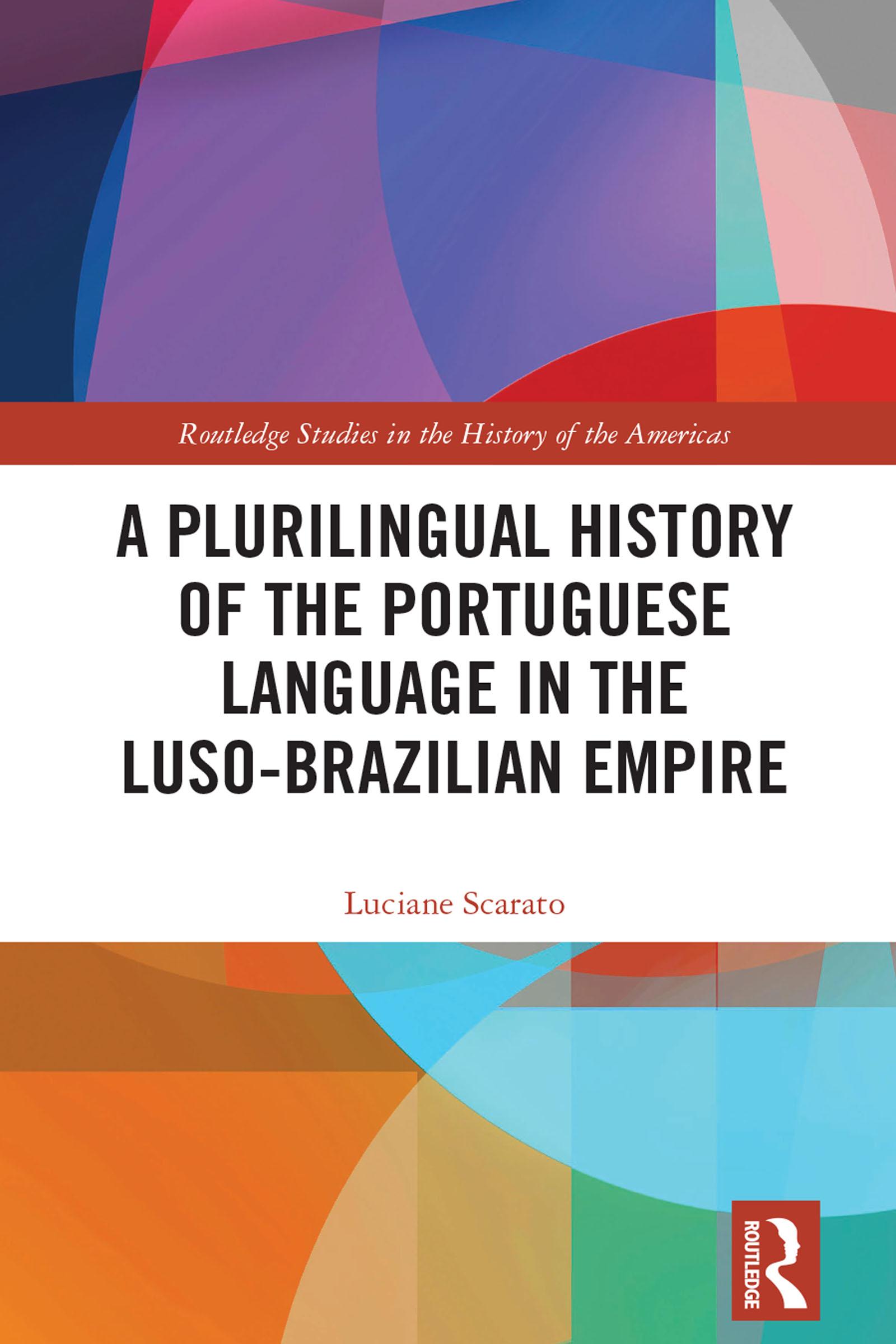
This book investigates the diverse ways in which the Portuguese language expanded in Brazil, despite the multilingual landscape that predominated before and after the arrival of the Europeans and the African diaspora.
Challenging the assumption that the prevalence of Portuguese was a natural consequence and foregone conclusion of colonisation, the book argues that the language’s expansion was as much a result of state intervention as of individual agency. The growth of the Portuguese language was a tumultuous process that mirrored the power relations and conflicts between Amerindian, European, African, and mestizo actors who shaped, standardised, and promoted the language within and beyond state institutions. Knowing Portuguese became an identification sign of being Brazilian. However, a significant number of languages disappeared along the way, and the book highlights that virtual language homogeneity does not imply social equality. Portuguese’s variants place speakers on different social levels that justify domination and inequality. This research tells the history of a victorious language and other languages that left their mark on Brazilian Portuguese.
A Plurilingual History of the Portuguese Language in the Luso-Brazilian Empire is a useful resource for scholars interested in the history and standardisation of languages, Portuguese and Brazilian history, and the impacts of colonisation.
Betaal eenvoudig met kaart, Klarna, Apple Pay of Google Pay. Niet tevreden? Je hebt altijd 14 dagen bedenktijd. Lees meer in onze voorwaarden. Heb je vragen, mail ons dan via hello@memmo.org.
Memmo maakt studeren makkelijker – waar je ook bent ter wereld. Wij brengen je cursusboeken en slimme studietools samen op één plek: samenvattingen, quizzen, podcasts en flashcards. En Ted, je studievriend die antwoord geeft op alles wat je je afvraagt. Meer dan 50.000 studenten studeren hier al – gebouwd om je sneller te laten leren en minder stress te geven.