
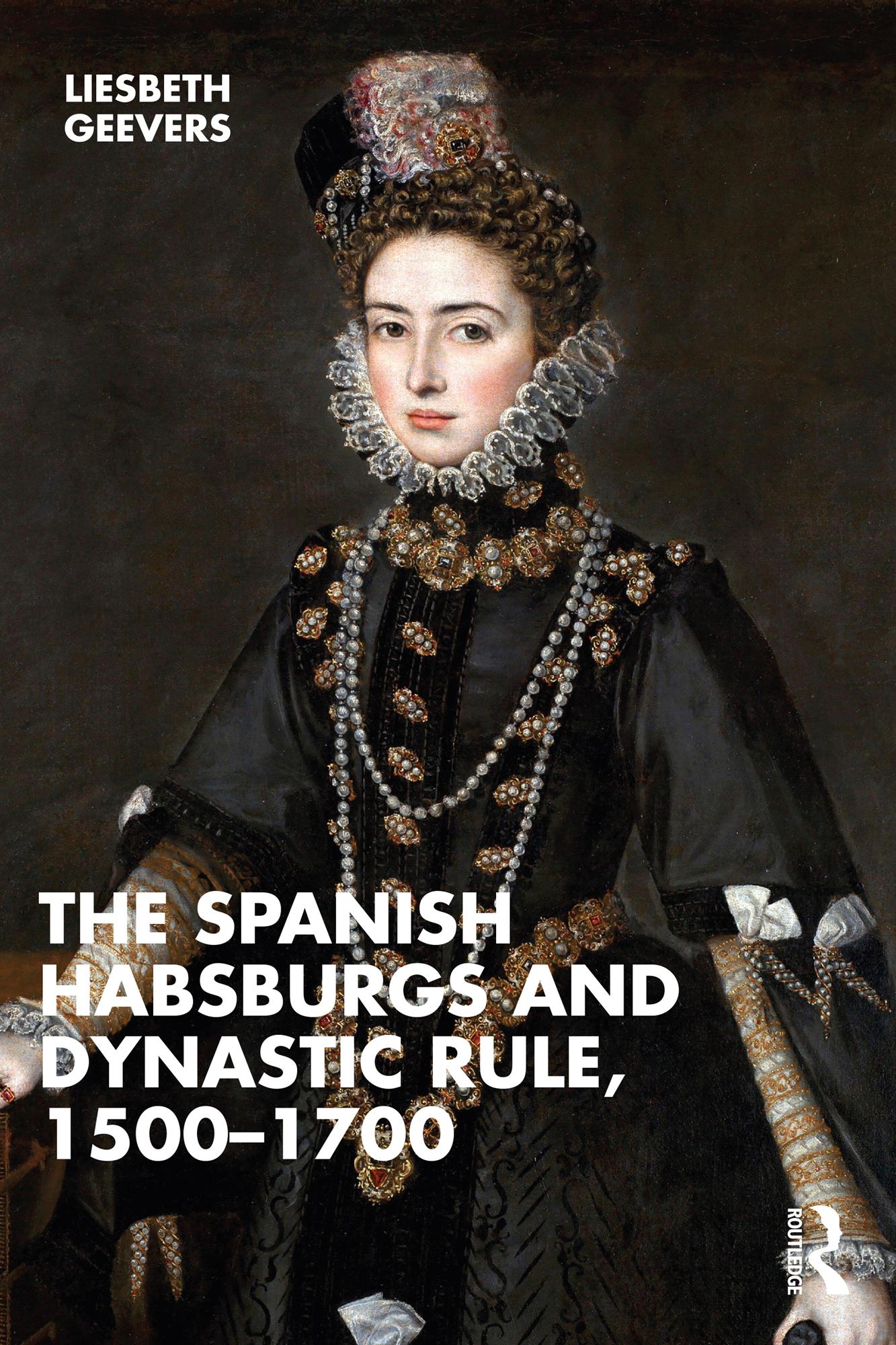
Providing a novel research methodology for students and scholars with an interest in dynasties, at all levels, this book explores the Spanish Habsburg dynasty that ruled the Spanish monarchy between c. 1515 and 1700.
Instead of focusing on the reigns of successive kings, the book focuses on the Habsburgs as a family group that was constructed in various ways: as a community of heirs, a genealogical narrative, a community of the dead and a ruling family group. These constructions reflect the fact that dynasties do not only exist in the present, as kings, queens or governors, but also in the past, in genealogies, and in the future, as a group of hypothetical heirs.
This book analyses how dynasties were ‘made’ by the people belonging to them. It uses a social institutionalist framework to analyse how family dynamics gave rise to practices and roles. The kings of Spain only had limited power to control the construction of their dynasty, since births and deaths, processes of dynastic centralisation, pressure from subjects, relatives’ individual agency, rivalry among relatives and the institutionalisation of roles limited their power.
Including several genealogical tables to support students new to the Spanish Habsburgs, this book is essential reading for all students of early modern Europe and the history of monarchy.
The Open Access version of this book, available at www.taylorfrancis.com, has been made available under a Creative Commons Attribution-Non Commercial-No Derivatives 4.0 license.
Betaal eenvoudig met kaart, Klarna, Apple Pay of Google Pay. Niet tevreden? Je hebt altijd 14 dagen bedenktijd. Lees meer in onze voorwaarden. Heb je vragen, mail ons dan via hello@memmo.org.
Memmo maakt studeren makkelijker – waar je ook bent ter wereld. Wij brengen je cursusboeken en slimme studietools samen op één plek: samenvattingen, quizzen, podcasts en flashcards. En Ted, je studievriend die antwoord geeft op alles wat je je afvraagt. Meer dan 50.000 studenten studeren hier al – gebouwd om je sneller te laten leren en minder stress te geven.