
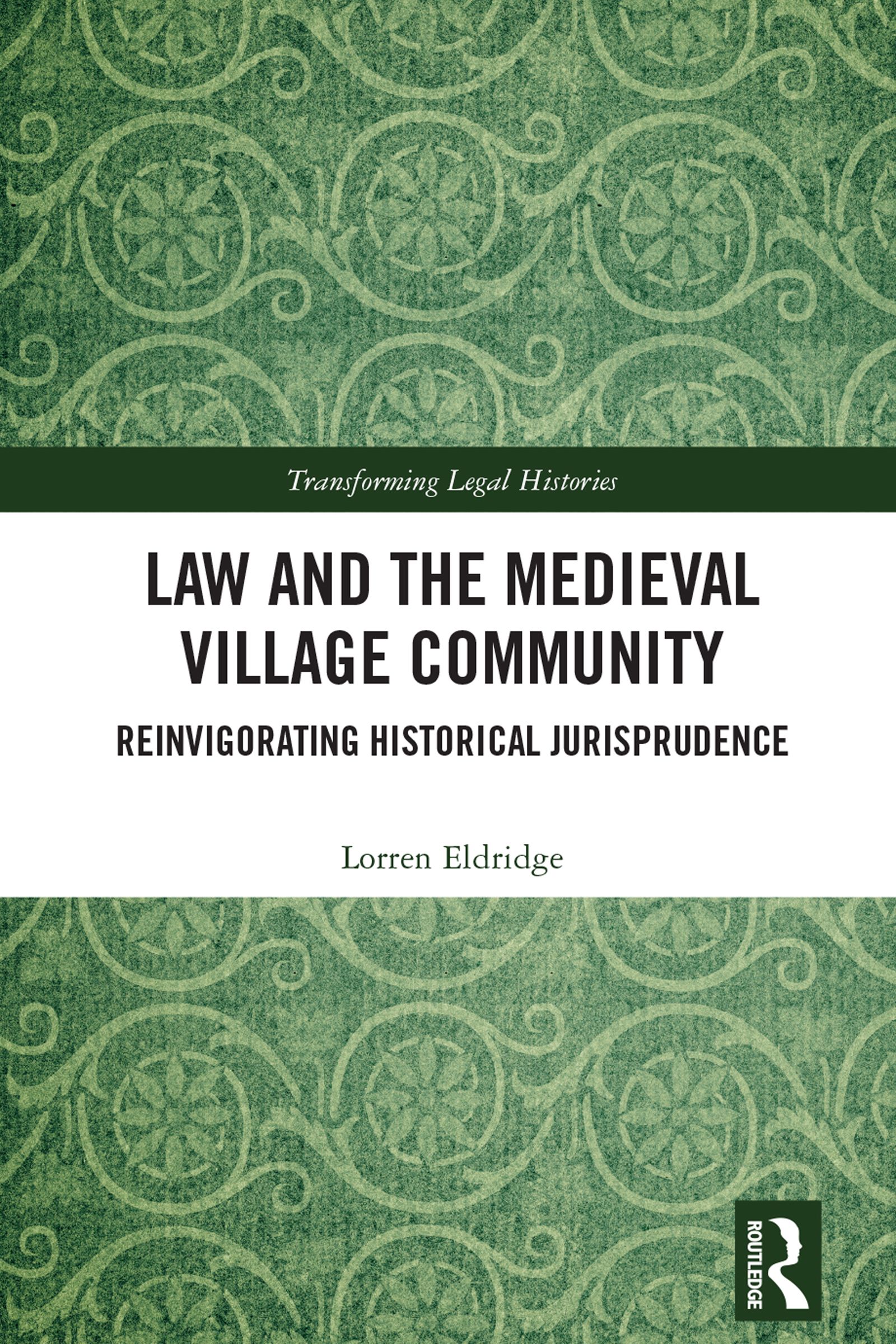
This book expands on established doctrine in legal history and sets out a challenge for legal philosophers. The English medieval village community offers a historical and philosophical lens on the concept of custom which challenges accepted notions of what law is. The book traces the study of the medieval village community from early historical works in the nineteenth century through to current research. It demonstrates that some law-making can and has been ‘bottom-up’ in English law, with community-led decisionmaking having a particularly important role in the early common law. The detailed consideration of law in the English village community reveals alternative ways of making and conceiving of law which are not dependent on state authority, particularly in relation to customary and communal property rights. Acknowledging this poses challenges for legal theory: the legal positivism that dominates Western legal philosophy tends to reject custom as a source of law. However, this book argues that medieval customary law ought to be considered ‘law’ if we are ever going to fully understand law – both then and now. The book will be a valuable resource for researchers and academics working in the areas of Legal History, Legal Theory, and Jurisprudence.
Betaal eenvoudig met kaart, Klarna, Apple Pay of Google Pay. Niet tevreden? Je hebt altijd 14 dagen bedenktijd. Lees meer in onze voorwaarden. Heb je vragen, mail ons dan via hello@memmo.org.
Memmo maakt studeren makkelijker – waar je ook bent ter wereld. Wij brengen je cursusboeken en slimme studietools samen op één plek: samenvattingen, quizzen, podcasts en flashcards. En Ted, je studievriend die antwoord geeft op alles wat je je afvraagt. Meer dan 50.000 studenten studeren hier al – gebouwd om je sneller te laten leren en minder stress te geven.