
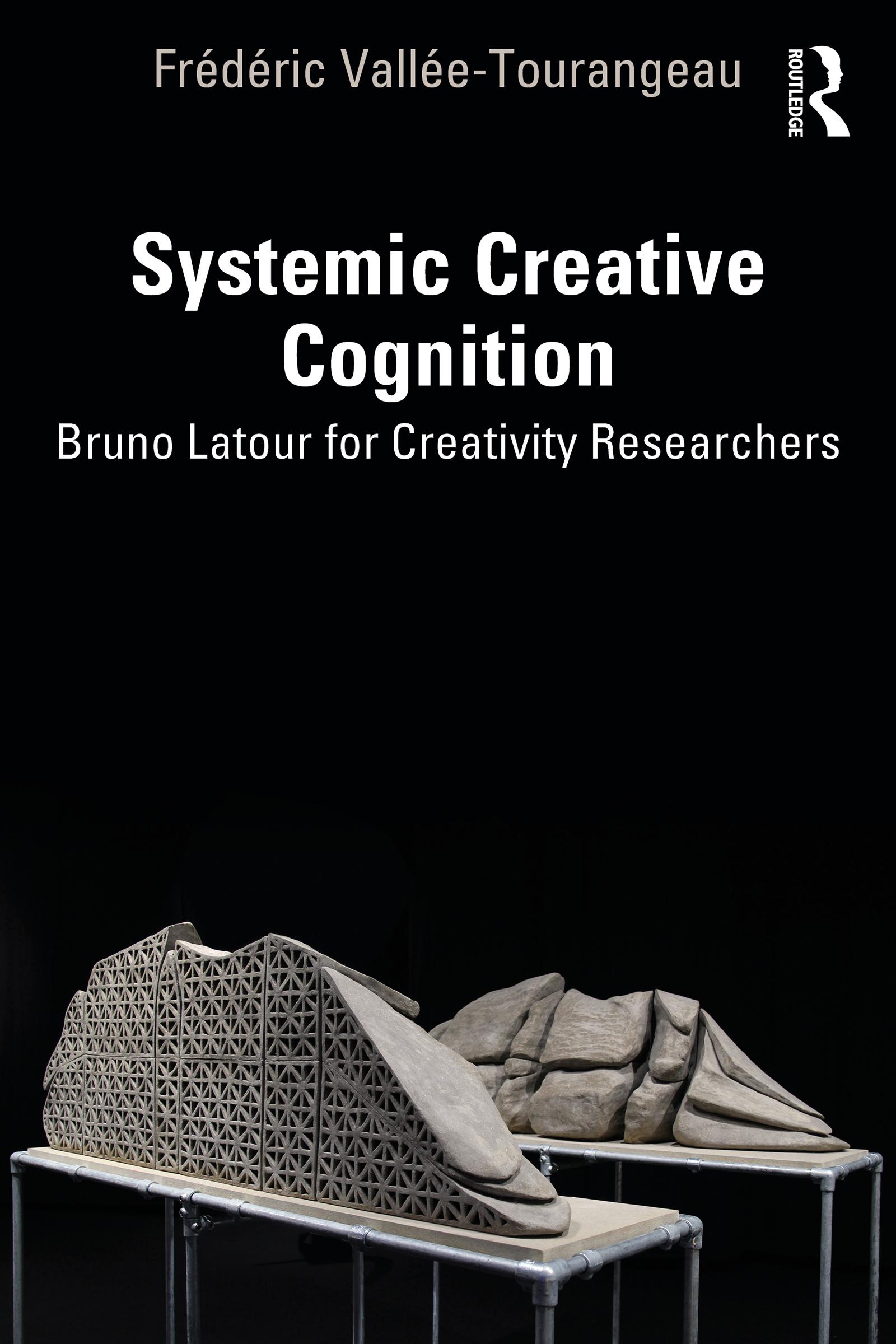
This unique book explores how the conceptual framework of science and technology studies can be applied to creativity and problem-solving research, drawing from and building on the work of Bruno Latour.
Using an interdisciplinary approach, the book outlines new research practices to capture the origin of ideas. Latour enjoins researchers to adopt a resolutely ethnographic methodology to trace the process by which a creative product, be it a technological innovation or a work of art, is constructed, or instaured. Creativity is explained in terms of the microprocesses that guide and constrain the development of a new idea. These microprocesses operate on and are triggered by material objects, be they maquettes, models, drafts or data representations. The resulting perspective is systemic, casting creativity as emerging from the interaction among heterogenous elements and actants. The book provides critical reflections on problem-solving research and stresses the importance of William James’s radical empiricism and the primary role of experience. The book redefines the concept of insight as an outcome rather than the cause of a new idea.
The book uses the work of Latour to cast a new light on the field of creative cognition and will be an essential read for researchers and students of creativity and cognition. It will also be relevant for anyone interested in understanding the origin of creativity, ideas and thoughts.
Betaal eenvoudig met kaart, Klarna, Apple Pay of Google Pay. Niet tevreden? Je hebt altijd 14 dagen bedenktijd. Lees meer in onze voorwaarden. Heb je vragen, mail ons dan via hello@memmo.org.
Memmo maakt studeren makkelijker – waar je ook bent ter wereld. Wij brengen je cursusboeken en slimme studietools samen op één plek: samenvattingen, quizzen, podcasts en flashcards. En Ted, je studievriend die antwoord geeft op alles wat je je afvraagt. Meer dan 50.000 studenten studeren hier al – gebouwd om je sneller te laten leren en minder stress te geven.