
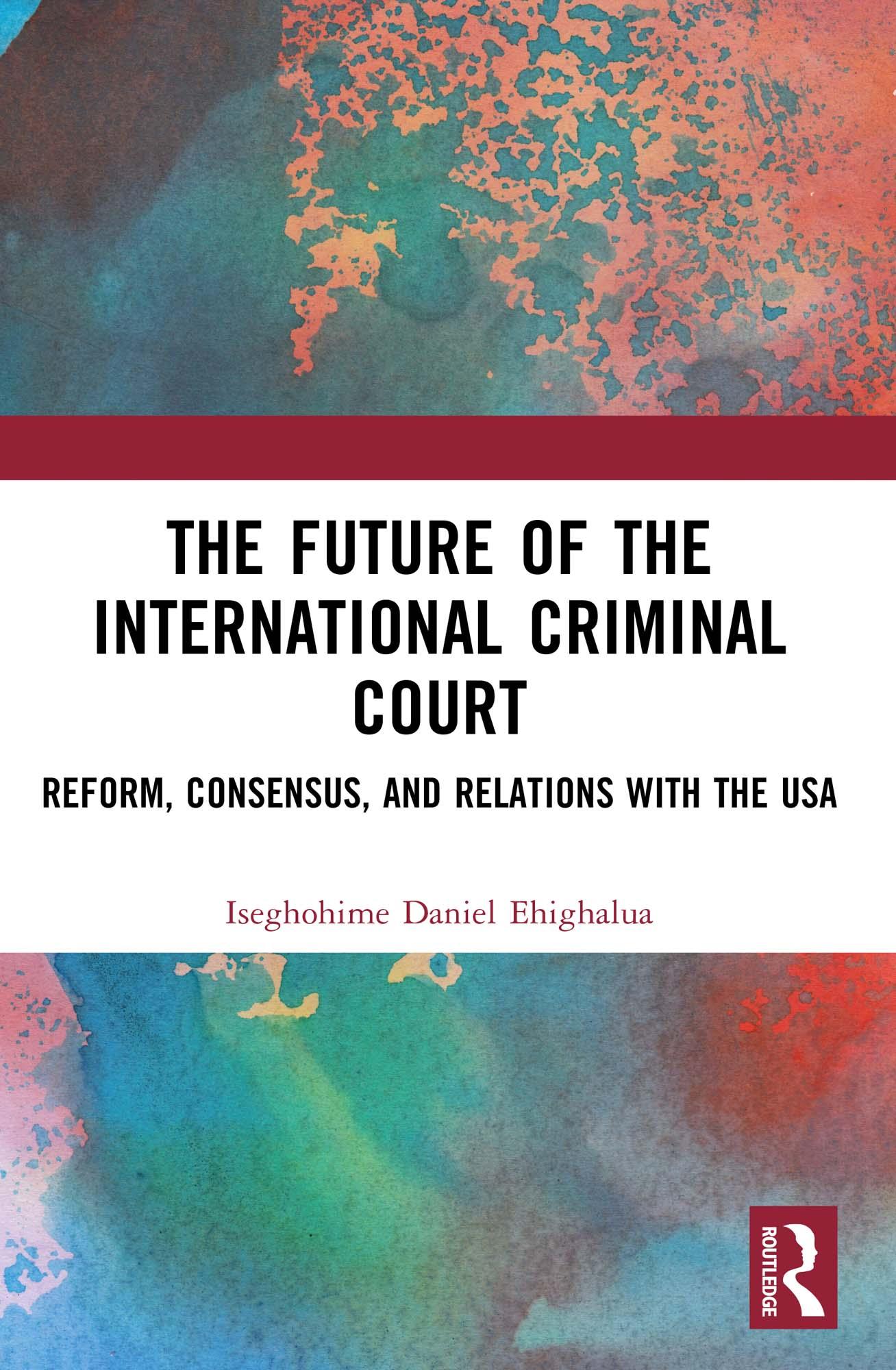
This book presents the argument that solution-driven policy and treaty changes, if faithfully implemented, will rekindle the relevance of the International Criminal Court (ICC) in combatting and prosecuting atrocity crimes. This work examines how the International Criminal Court could be re-envisioned to perform optimally, and why such reform is urgent. It also discusses the position of the USA towards the court and explores why it has been unable to transition from marginal engagement to full spectrum support by signing and ratifying the Rome Treaty 1998. The conceptual frameworks deployed range from how the US construes its ‘national interest’ to geo-political balancing and the present rudderless state of the rules order, in addition to the personal predilections of US Presidents and the Court’s dysfunctional state. The objective is to show that if the ICC does not engender reforms internally, it will not survive the fissiparous tendencies innate in the presently fractured rules order. The work argues that only foundational reforms around treaty amendments along with institutional realignment of roles and responsibilities of the Court’s principal officers will yet rescue it. The book will be of interest to researchers, academics and policy-makers working in the areas of International Criminal Law and International Relations.
Betaal eenvoudig met kaart, Klarna, Apple Pay of Google Pay. Niet tevreden? Je hebt altijd 14 dagen bedenktijd. Lees meer in onze voorwaarden. Heb je vragen, mail ons dan via hello@memmo.org.
Memmo maakt studeren makkelijker – waar je ook bent ter wereld. Wij brengen je cursusboeken en slimme studietools samen op één plek: samenvattingen, quizzen, podcasts en flashcards. En Ted, je studievriend die antwoord geeft op alles wat je je afvraagt. Meer dan 50.000 studenten studeren hier al – gebouwd om je sneller te laten leren en minder stress te geven.