
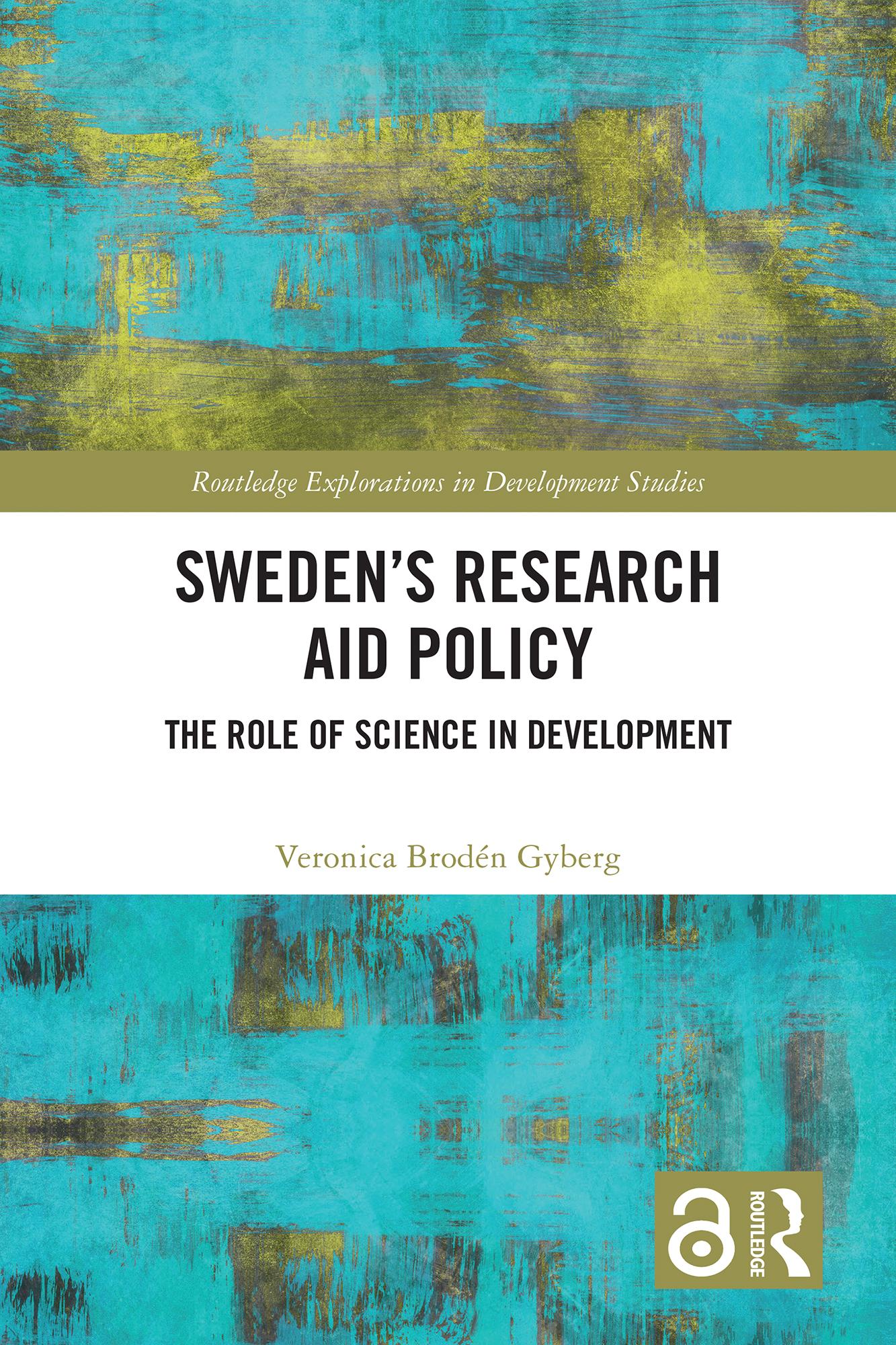
Science and technology have long been considered key for development, problem solving and education in low-income countries, and Sweden has been at the forefront of efforts in this area, as one of the first countries to formalize research aid.
This book analyses how the Swedish Agency for Research Cooperation with Developing Countries (Sarec) and the Swedish International Development Cooperation Agency (Sida) have worked to promote science in low-income countries. In doing so, the book tackles challenging questions around whose knowledges and capacities count, who sets the research agenda, how knowledge resources are distributed, and how complex donor–recipient relationships serve both to address and inflate these issues. Through a discursive analysis of policy material and interviews with former directors at Sarec and Sida as well as other key persons, the book traces how perceptions of the relationship between research and development have shifted over the last five decades.
Pointing to why long-term collaboration is necessary in order to contribute significantly to capacity building, as well as highlighting more general tensions relating to the production of knowledge, Sweden’s Research Aid Policy: The Role of Science in Development will be a valuable resource for advanced students and researchers of foreign aid, development cooperation and the history of science and technology.
Betaal eenvoudig met kaart, Klarna, Apple Pay of Google Pay. Niet tevreden? Je hebt altijd 14 dagen bedenktijd. Lees meer in onze voorwaarden. Heb je vragen, mail ons dan via hello@memmo.org.
Memmo maakt studeren makkelijker – waar je ook bent ter wereld. Wij brengen je cursusboeken en slimme studietools samen op één plek: samenvattingen, quizzen, podcasts en flashcards. En Ted, je studievriend die antwoord geeft op alles wat je je afvraagt. Meer dan 50.000 studenten studeren hier al – gebouwd om je sneller te laten leren en minder stress te geven.