
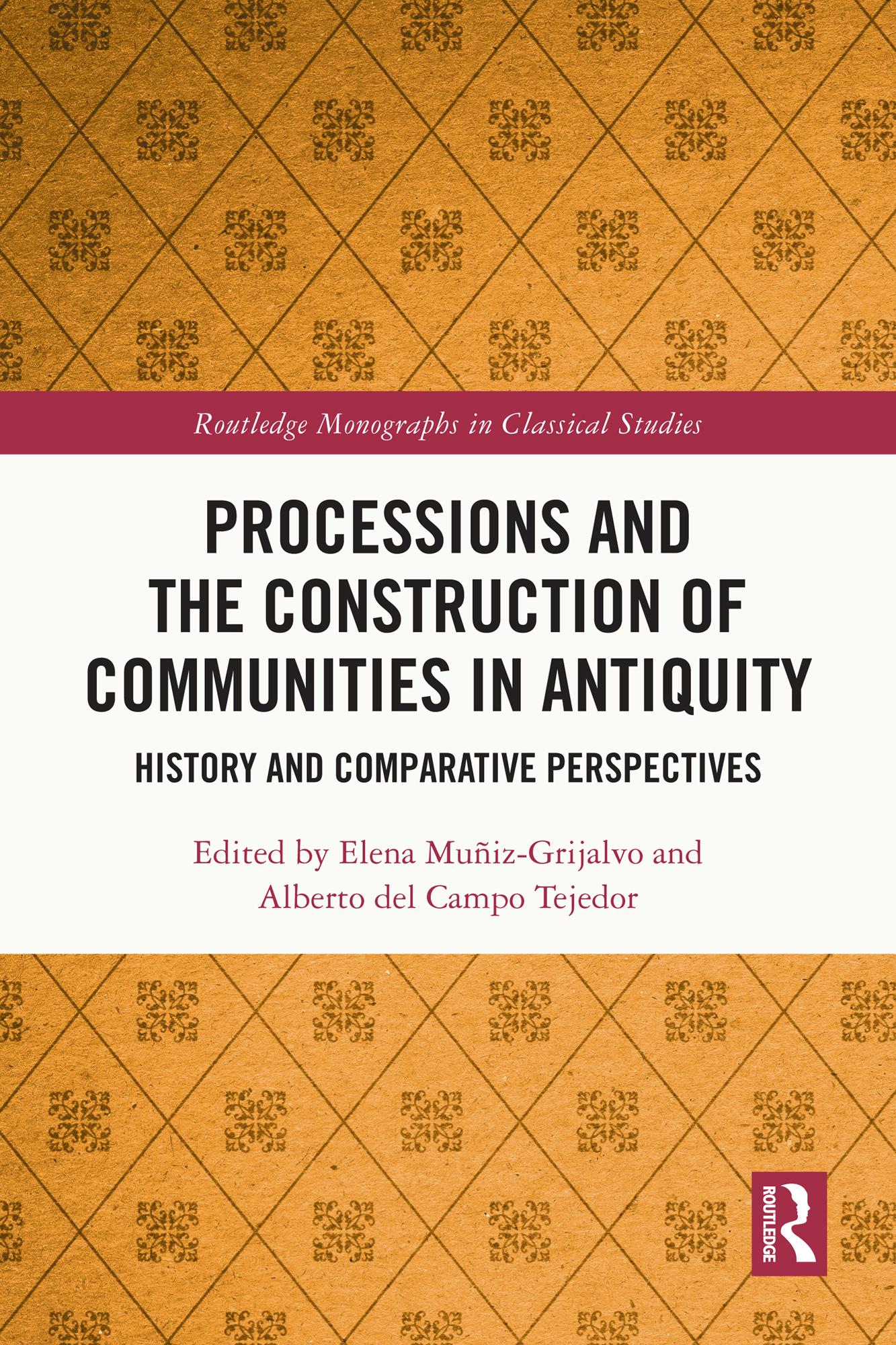
This volume elucidates how processions, from antiquity to the present, contribute to creating consensus with regards to both political power and communitarian experiences.
Many classical sources often only tangentially allude to processions, focusing instead on other ritual moments, such as sacrifice. This book adopts a comparative approach, bringing together historians of antiquity and later periods as well as social anthropologists working on contemporary societies, analysing both ancient and modern examples of how rituals, symbols, actors, and spectators interact in the construction of communities. The different examples explored in this study illustrate the performative capacity of processions to construct reality: the protagonism of image and movement, the design of cultic itineraries, and the active participation of members of the public. In studying these examples, readers develop an understanding of how power is exercised and perceived, the extent of its legitimacy, and the limits of community in a variety of case studies.
Processions and the Construction of Communities in Antiquity is of interest to students and scholars of the classical and early Christian worlds, especially those working on cult, religion, and community formation. The volume also appeals to social anthropologists interested in these issues across a broader chronology.
Betaal eenvoudig met kaart, Klarna, Apple Pay of Google Pay. Niet tevreden? Je hebt altijd 14 dagen bedenktijd. Lees meer in onze voorwaarden. Heb je vragen, mail ons dan via hello@memmo.org.
Memmo maakt studeren makkelijker – waar je ook bent ter wereld. Wij brengen je cursusboeken en slimme studietools samen op één plek: samenvattingen, quizzen, podcasts en flashcards. En Ted, je studievriend die antwoord geeft op alles wat je je afvraagt. Meer dan 50.000 studenten studeren hier al – gebouwd om je sneller te laten leren en minder stress te geven.