
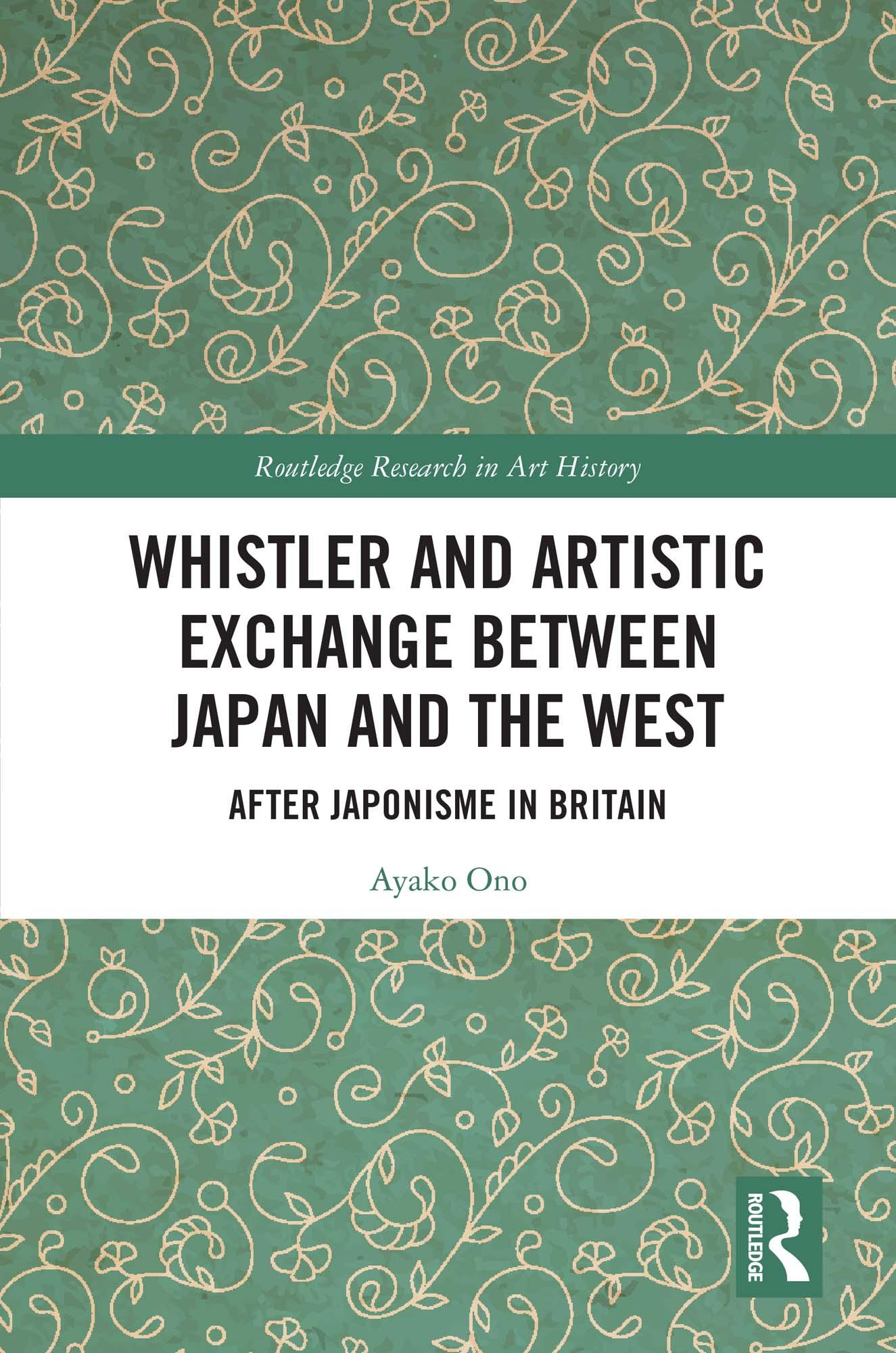
Ono examines cross-cultural artistic exchange between the West and Japan from the late nineteenth century to the early twentieth century.
Studies of Japonisme have been dominated by searching out relationships of influence between artworks–trying to identify which specific works influenced a particular artist. Ono argues that a more holistic understanding of 'spillover effects' is necessary in fully comprehending the nuances of these relationships. She bases this argument on documents and works of art in the context of globalisation, looking at the relationships between James McNeill Whistler and others with their contemporaries in the Japanese artistic and literary worlds. This was a more complex two-way exchange than is often appreciated, with Western artists taking inspiration from (to them) new Japanese styles, while Japanese artists and writers were trying to craft a 'modern', more western-influences style to reflect the modern nation of Japan emerging onto the world stage after centuries of relative isolation.
A fascinating analysis of the role of globalisation and cultural exchange in the development of new and hybrid artforms, that will be essential reading for scholars of this fascinating period in international art history.
Betaal eenvoudig met kaart, Klarna, Apple Pay of Google Pay. Niet tevreden? Je hebt altijd 14 dagen bedenktijd. Lees meer in onze voorwaarden. Heb je vragen, mail ons dan via hello@memmo.org.
Memmo maakt studeren makkelijker – waar je ook bent ter wereld. Wij brengen je cursusboeken en slimme studietools samen op één plek: samenvattingen, quizzen, podcasts en flashcards. En Ted, je studievriend die antwoord geeft op alles wat je je afvraagt. Meer dan 50.000 studenten studeren hier al – gebouwd om je sneller te laten leren en minder stress te geven.