
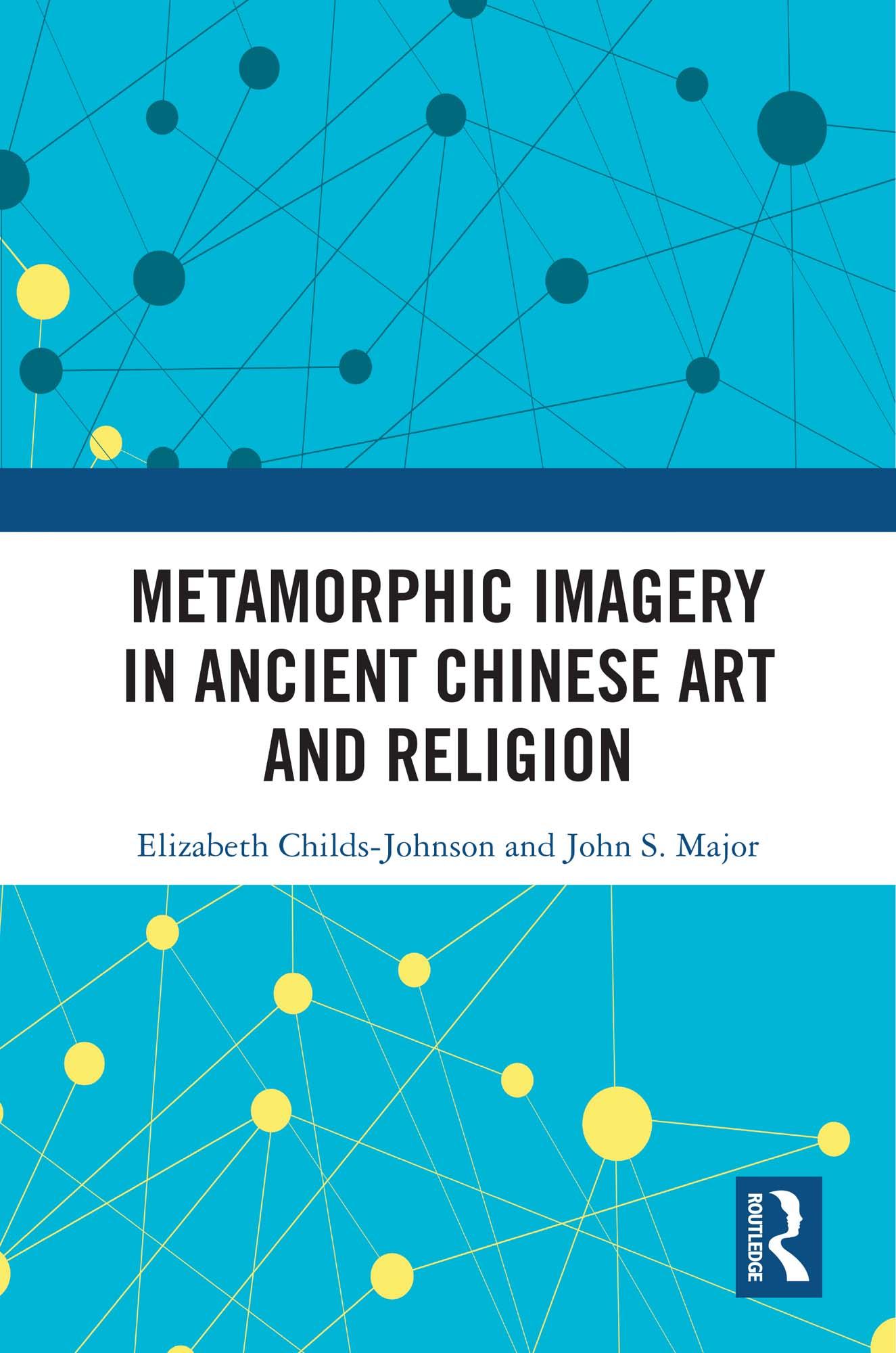
Metamorphic Imagery in Ancient Chinese Art and Religion demonstrates that the concept of metamorphism was central to ancient Chinese religious belief and practices from at least the late Neolithic period through the Warring States Period of the Zhou dynasty.
Central to the authors' argument is the ubiquitous motif in early Chinese figurative art, the metamorphic power mask. While the motif underwent stylistic variation over time, its formal properties remained stable, underscoring the image’s ongoing religious centrality. It symbolized the metamorphosis, through the phenomenon of death, of royal personages from living humans to deceased ancestors who required worship and sacrificial offerings. Treated with deference and respect, the royal ancestors lent support to their living descendants, ratifying and upholding their rule; neglected, they became dangerous, even malevolent. Employing a multidisciplinary approach that integrates archaeologically recovered objects with literary evidence from oracle bone and bronze inscriptions to canonical texts, all situated in the appropriate historical context, the study presents detailed analyses of form and style, and of change over time, observing the importance of relationality and the dynamic between imagery, materials, and affects.
This book is a significant publication in the field of early China studies, presenting an integrated conception of ancient art and religion that surpasses any other work now available.
Betaal eenvoudig met kaart, Klarna, Apple Pay of Google Pay. Niet tevreden? Je hebt altijd 14 dagen bedenktijd. Lees meer in onze voorwaarden. Heb je vragen, mail ons dan via hello@memmo.org.
Memmo maakt studeren makkelijker – waar je ook bent ter wereld. Wij brengen je cursusboeken en slimme studietools samen op één plek: samenvattingen, quizzen, podcasts en flashcards. En Ted, je studievriend die antwoord geeft op alles wat je je afvraagt. Meer dan 50.000 studenten studeren hier al – gebouwd om je sneller te laten leren en minder stress te geven.