
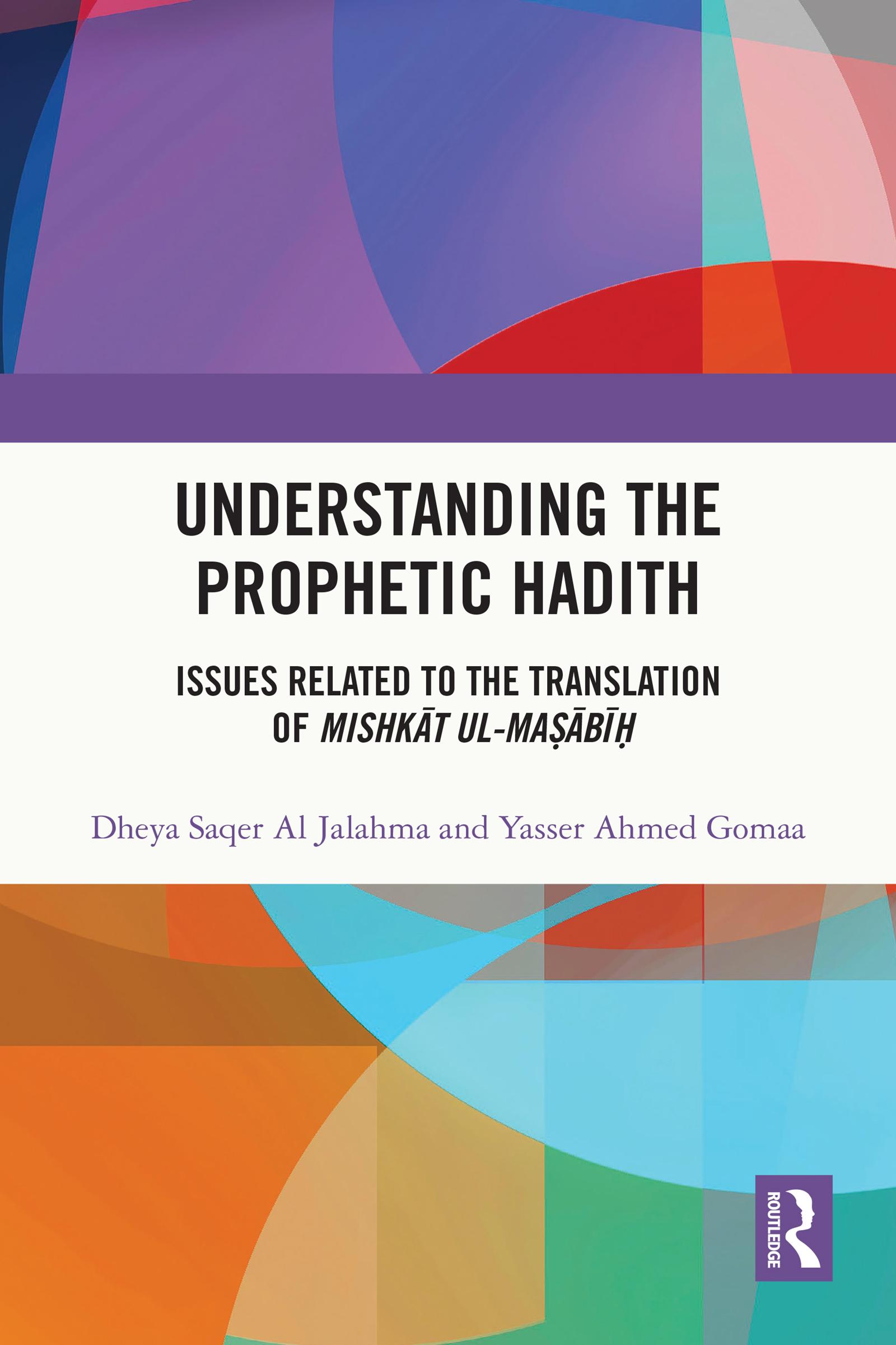
This book examines two English translations of Mishkāt ul-Maṣābīḥ by Al-Tabrīzī and reflects on some of the key issues relating to Hadith translation. The highly instructional nature of the Prophetic Hadith means that the comprehensibility of any translation is of great importance to a non-Arabic-speaking Muslim, and there is a need to analyze available translations to determine whether these texts can function properly in the target culture. The volume considers the relevance of skopos theory, the concept of loyalty, and the strategies of the translators in question. There are also chapters that focus on the translation of Islamic legal terms and metaphors related to women, formulaic expressions, and reported nonverbal behavior in Fazlul Karim’s (1938) and Robson’s (1960) versions of the text.
Betaal eenvoudig met kaart, Klarna, Apple Pay of Google Pay. Niet tevreden? Je hebt altijd 14 dagen bedenktijd. Lees meer in onze voorwaarden. Heb je vragen, mail ons dan via hello@memmo.org.
Memmo maakt studeren makkelijker – waar je ook bent ter wereld. Wij brengen je cursusboeken en slimme studietools samen op één plek: samenvattingen, quizzen, podcasts en flashcards. En Ted, je studievriend die antwoord geeft op alles wat je je afvraagt. Meer dan 50.000 studenten studeren hier al – gebouwd om je sneller te laten leren en minder stress te geven.