
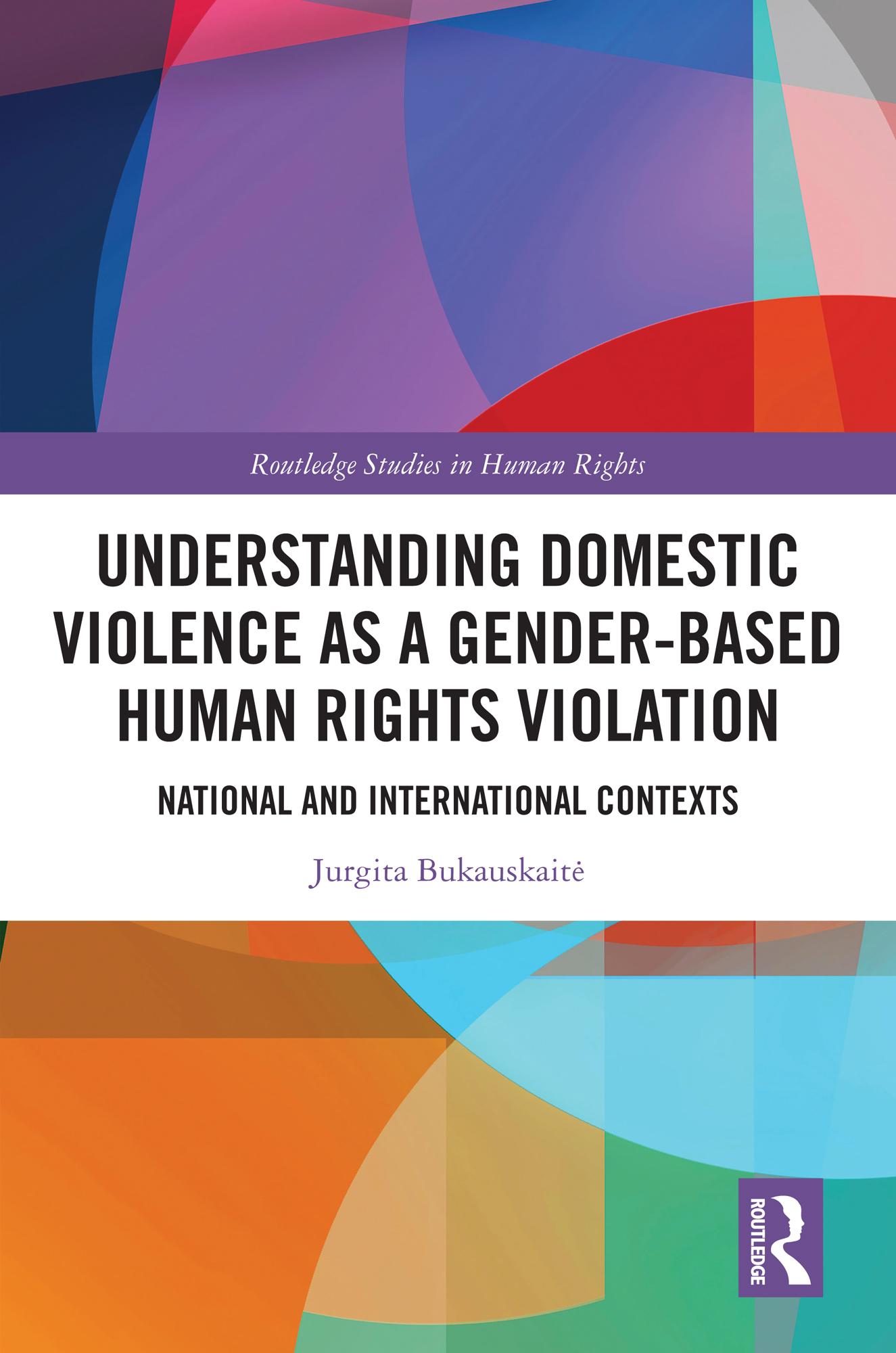
Examining the prevalent issue of domestic violence, this book breaks down the reasons behind the ineffectiveness of existing human rights instruments and the gaps in current legal systems failing those in need. Through a variety of key case studies, it reveals significant gaps in the legal conceptualisation of domestic violence between human rights standards on the one hand and the national legal systems examined—those of Ireland and Lithuania—on the other.
The book reveals that, contrary to gender-based universal human rights approaches and despite recent legislative reforms, the legal concept of domestic violence is gender-blind. It fails to capture gender-based empirical realities on the ground, rendering national legal systems devoid of an empirically informed theoretical basis for addressing the problem. Despite the differences in the contextual backgrounds of the two case study countries, the legislation on domestic violence is underpinned by patriarchal beliefs in both.
This book employs a gender-based examination of the issue that will be of key interest to scholars, legal practitioners, civil society actors, and students of feminist legal theory, gender equality, gender in international law, gender and human rights and conceptual democracy.
Betaal eenvoudig met kaart, Klarna, Apple Pay of Google Pay. Niet tevreden? Je hebt altijd 14 dagen bedenktijd. Lees meer in onze voorwaarden. Heb je vragen, mail ons dan via hello@memmo.org.
Memmo maakt studeren makkelijker – waar je ook bent ter wereld. Wij brengen je cursusboeken en slimme studietools samen op één plek: samenvattingen, quizzen, podcasts en flashcards. En Ted, je studievriend die antwoord geeft op alles wat je je afvraagt. Meer dan 50.000 studenten studeren hier al – gebouwd om je sneller te laten leren en minder stress te geven.