
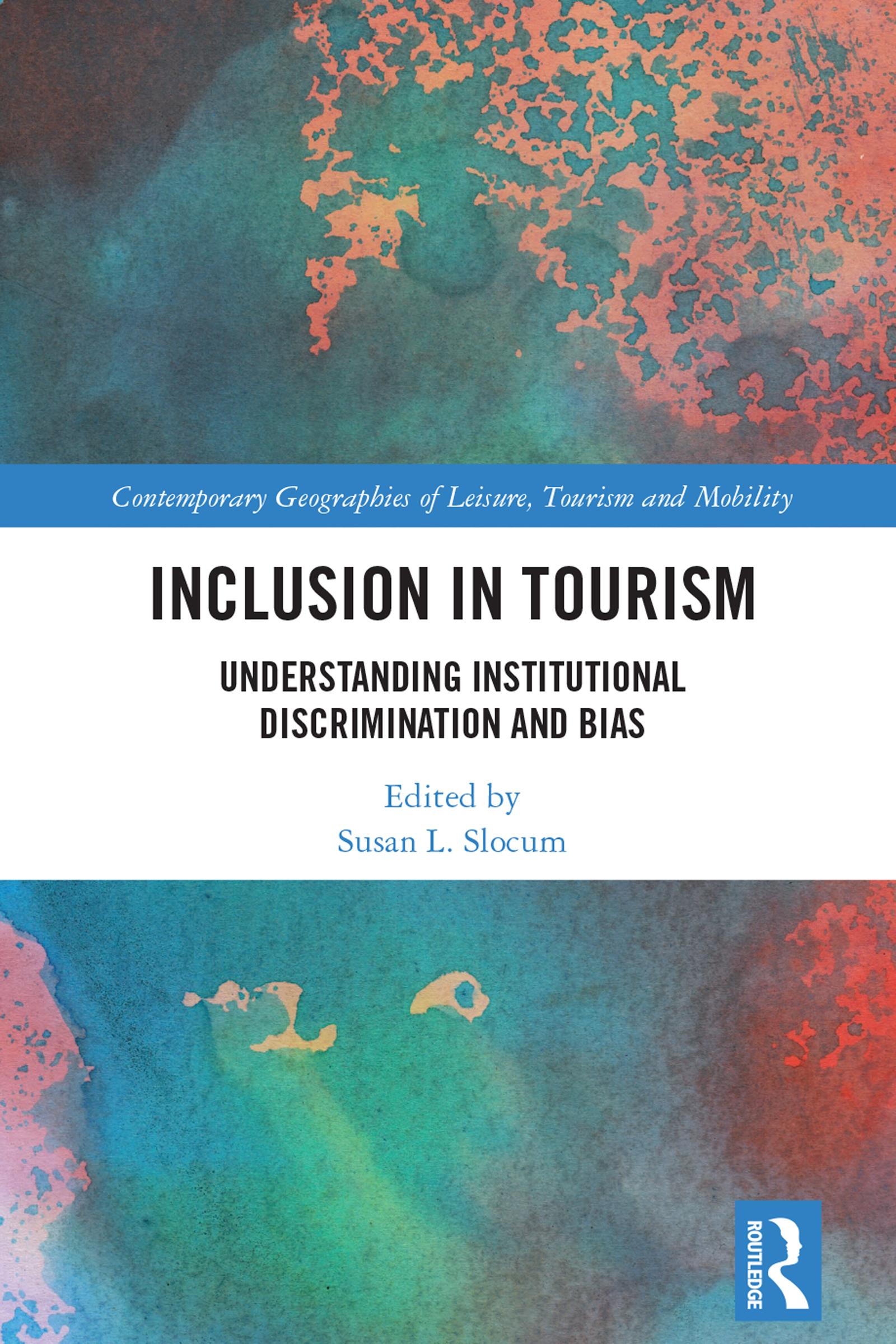
Inclusion in Tourism provides examples of discrimination and marginalisation in tourism practices and avenues designed to recognise and overcome personal or institutional biases, setting a road map for researchers interested in establishing a more inclusive approach to tourism and tourism research.
Logically structured, multidisciplinary in approach, and compiled by a well-known scholar and leader in tourism theory, this volume comprises 13 specially commissioned chapters that provide concrete global examples of overcoming discrimination within tourism institutions, centred around examples of best practice, courses of action, and positive outcomes. Chapters outline, explain and challenge the existing view of tourism theory as inclusionary, destroying the myth that tourism is an equal opportunity endeavour, bringing a new level of scrutiny to "stand-alone" concepts of "discrimination" and "marginalisation" as a long-existing phenomenon in tourism studies. The book begins with an institutionalised and global approach to discrimination, focusing on immigration policy, academic teaching, research, grant policies, and destination image in relation to minorities; and xenophobia. The text then moves to the individual level, discussing aspects of institutionalised discrimination based on individual characteristics, such as sexual orientation, obesity, disability, and gender.
International in scope, this book will be of pivotal interest to graduate students, researchers, and practitioners interested in diversity and inclusion.
Betaal eenvoudig met kaart, Klarna, Apple Pay of Google Pay. Niet tevreden? Je hebt altijd 14 dagen bedenktijd. Lees meer in onze voorwaarden. Heb je vragen, mail ons dan via hello@memmo.org.
Memmo maakt studeren makkelijker – waar je ook bent ter wereld. Wij brengen je cursusboeken en slimme studietools samen op één plek: samenvattingen, quizzen, podcasts en flashcards. En Ted, je studievriend die antwoord geeft op alles wat je je afvraagt. Meer dan 50.000 studenten studeren hier al – gebouwd om je sneller te laten leren en minder stress te geven.