
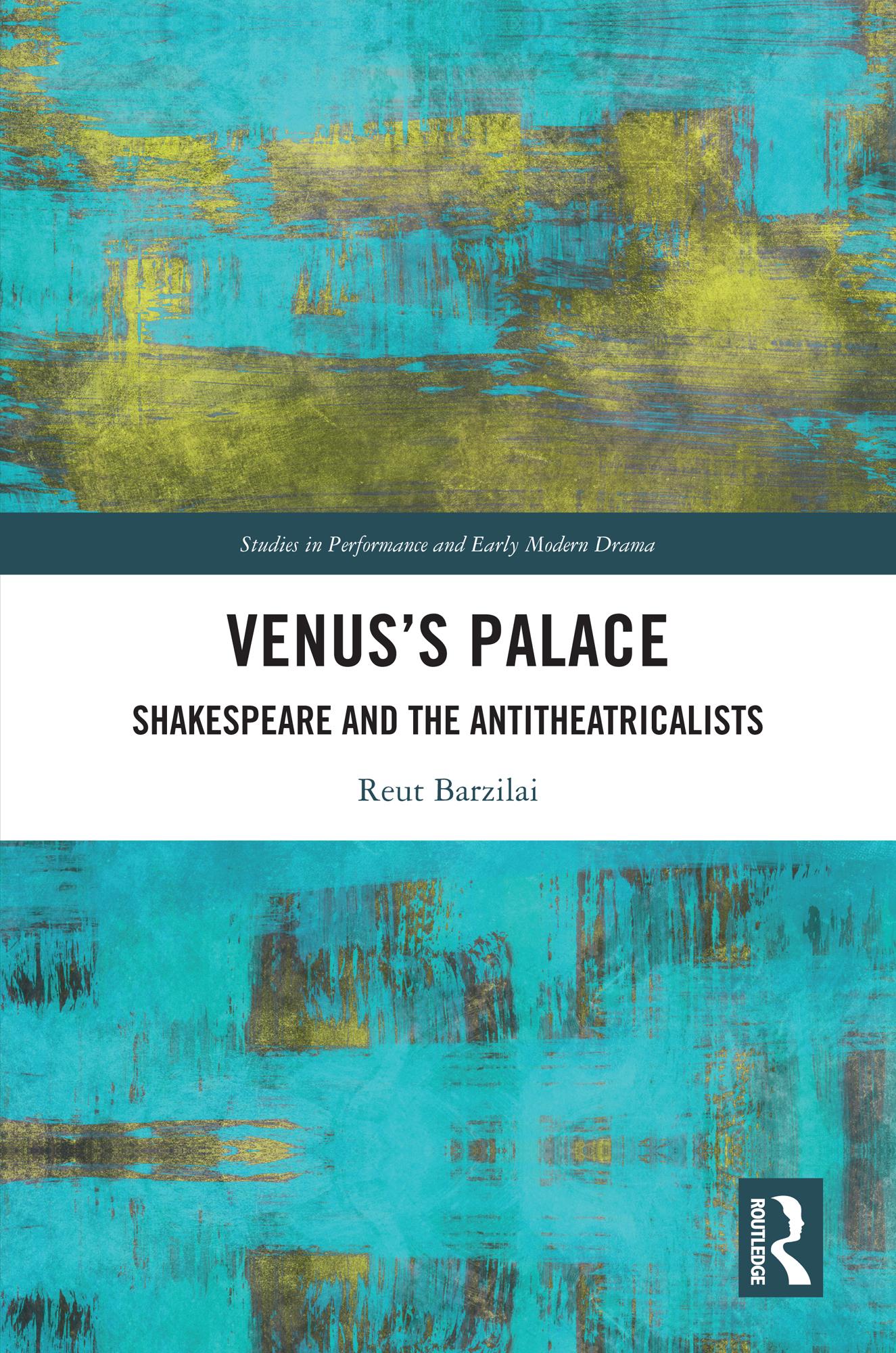
This book lays bare the dialogue between Shakespeare and critics of the stage and positions it as part of an ongoing cultural, ethical, and psychological debate about the effects of performance on actors and on spectators. In so doing, the book makes a substantial contribution both to the study of representations of theatre in Shakespeare’s plays and to the understanding of ethical concerns about acting and spectating—then, and now.
The book opens with a comprehensive and coherent analysis of the main early modern English anxieties about theater and its power. These are read against twentieth- and twenty-first-century theories of acting, interviews with actors, and research into the effects of media representation on spectator behaviour, all of which demonstrate the lingering relevance of antitheatrical claims and the personal and philosophical implications of acting and spectating. The main part of the book reveals Shakespeare’s responses to major antitheatrical claims about the powerful effects of poetry, music, playacting, and playgoing. It also demonstrates the evolution of Shakespeare’s view of these claims over the course of his career: from light-hearted parody in A Midsummer Night’s Dream, through systematic contemplation in Hamlet, to acceptance and dramatization in The Tempest.
This study will be of great interest to scholars and students of theater, English literature, history, and culture.
Betaal eenvoudig met kaart, Klarna, Apple Pay of Google Pay. Niet tevreden? Je hebt altijd 14 dagen bedenktijd. Lees meer in onze voorwaarden. Heb je vragen, mail ons dan via hello@memmo.org.
Memmo maakt studeren makkelijker – waar je ook bent ter wereld. Wij brengen je cursusboeken en slimme studietools samen op één plek: samenvattingen, quizzen, podcasts en flashcards. En Ted, je studievriend die antwoord geeft op alles wat je je afvraagt. Meer dan 50.000 studenten studeren hier al – gebouwd om je sneller te laten leren en minder stress te geven.