
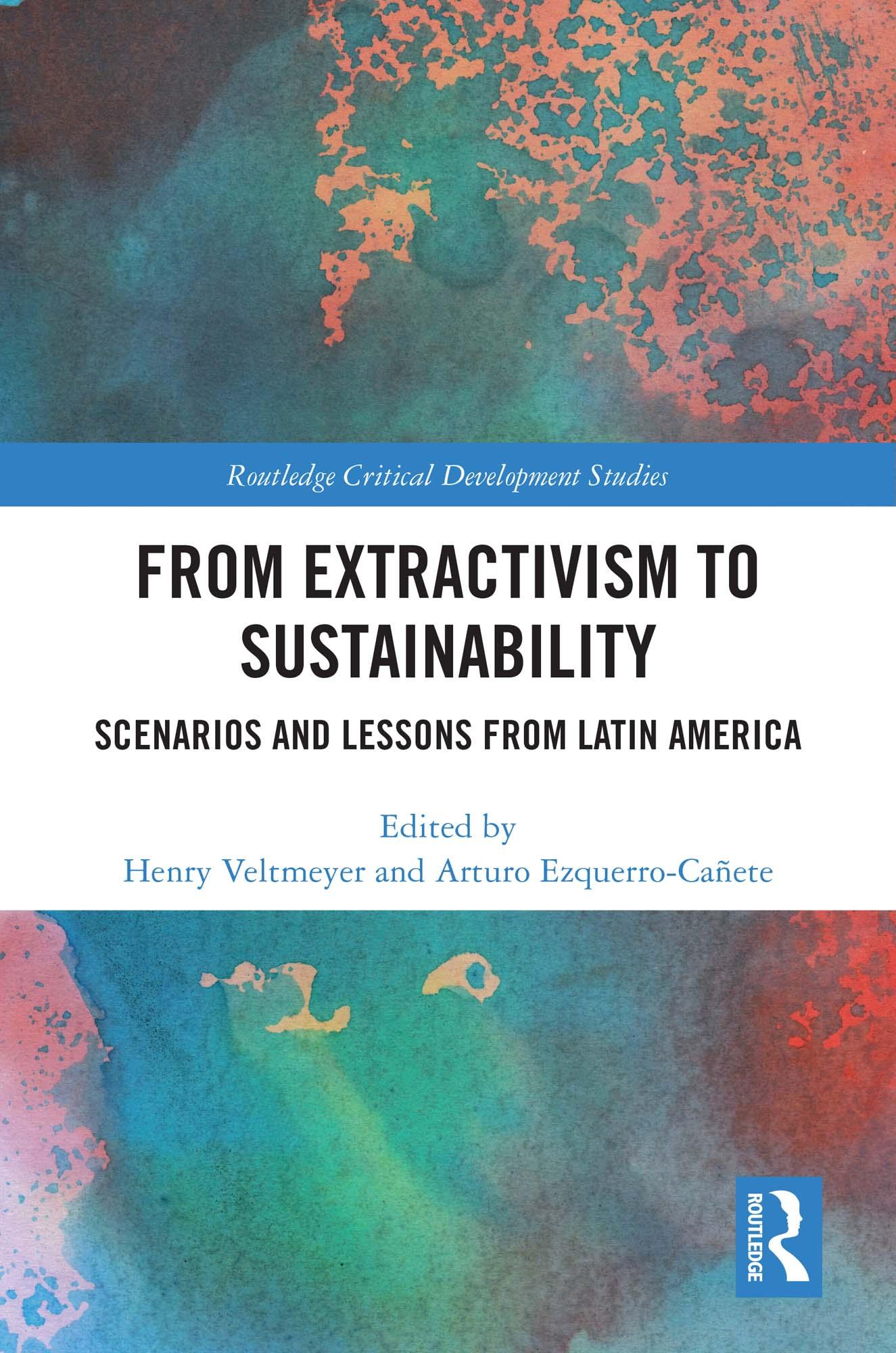
This book investigates how extractive capitalism has developed over the past three decades, what dynamics of resistance have been deployed to combat it, and whether extractivism can ever be transformed into being a part of a progressive development path.
It was not until the 20th century that the extraction of natural resources and raw materials took on a decidedly capitalist form, with the global north extracting primary commodities from the global south as a means of capital accumulation. This book investigates whether extractivism, despite its well-documented negative and destructive socioenvironmental impacts and the powerful forces of resistance that it has generated, could ever be transformed into a sustainable post-development strategy. Drawing on diverse sectoral forms of extractivism (mining, fossil fuels, agriculture), this book analyses the dynamics of both the forces of resistance generated by the advance of extractive capital and alternate scenarios for a more sustainable and liveable future. The book draws particularly on the Latin American experience, where both the propensity of capitalism towards crisis and the development of resistance dynamics to ‘extractive’ capital have had their greatest impact in the neoliberal era.
This book will be of interest to researchers and students across development studies, economics, political economy, environmental studies, Indigenous studies, and Latin American affairs.
Betaal eenvoudig met kaart, Klarna, Apple Pay of Google Pay. Niet tevreden? Je hebt altijd 14 dagen bedenktijd. Lees meer in onze voorwaarden. Heb je vragen, mail ons dan via hello@memmo.org.
Memmo maakt studeren makkelijker – waar je ook bent ter wereld. Wij brengen je cursusboeken en slimme studietools samen op één plek: samenvattingen, quizzen, podcasts en flashcards. En Ted, je studievriend die antwoord geeft op alles wat je je afvraagt. Meer dan 50.000 studenten studeren hier al – gebouwd om je sneller te laten leren en minder stress te geven.