
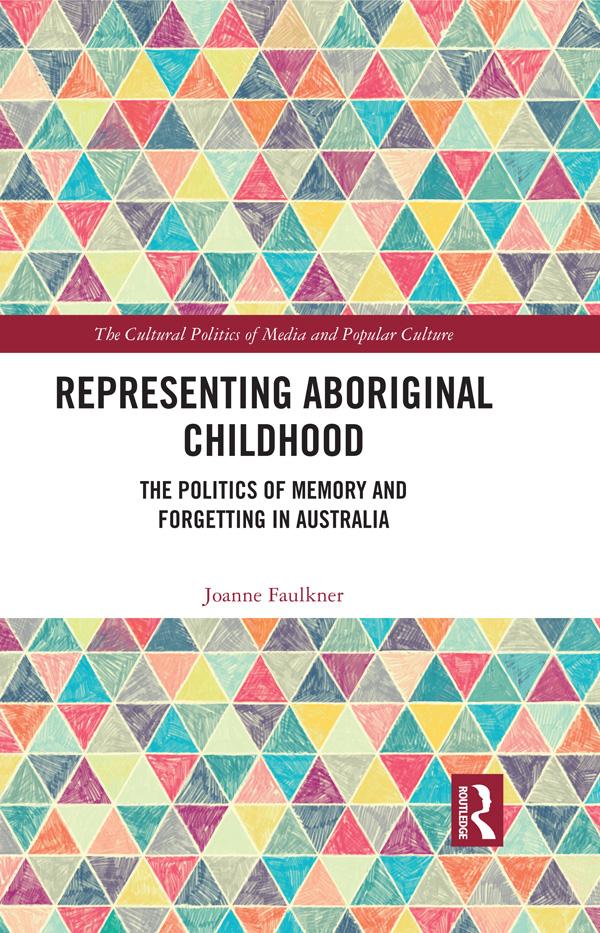
This book critically investigates the ways in which Aboriginal children and childhood figure in Australia’s cultural life to mediate Australians’ ambivalence about the colonial origins of the nation, as well as its possible post-colonial futures. Engaging with representations in literature, film, governmental discourse, and news and infotainment media, it shows how ways of representing Aboriginal children and childhood serve a national project of representing settler-Australian values, through the forgetting of colonial violence. Analysing the ways in which certain negative aspects of Australian nationhood are concealed, rendered invisible, and repressed through practices of representing Aboriginal children and childhood, it challenges accepted ‘shared understandings’ regarding Australian-ness and settler-colonial sovereignty.
Through an innovative interdisciplinary approach that engages critical theory, post-colonial theory, literary studies, history, psychoanalysis, and philosophy, Representing Aboriginal Childhood responds to urgent questions that pivot on the role of the Indigenous child within settler nation-state formations. As such, it will appeal to scholars of sociology and social geography, collective memory, politics and cultural studies.
Betaal eenvoudig met kaart, Klarna, Apple Pay of Google Pay. Niet tevreden? Je hebt altijd 14 dagen bedenktijd. Lees meer in onze voorwaarden. Heb je vragen, mail ons dan via hello@memmo.org.
Memmo maakt studeren makkelijker – waar je ook bent ter wereld. Wij brengen je cursusboeken en slimme studietools samen op één plek: samenvattingen, quizzen, podcasts en flashcards. En Ted, je studievriend die antwoord geeft op alles wat je je afvraagt. Meer dan 50.000 studenten studeren hier al – gebouwd om je sneller te laten leren en minder stress te geven.