
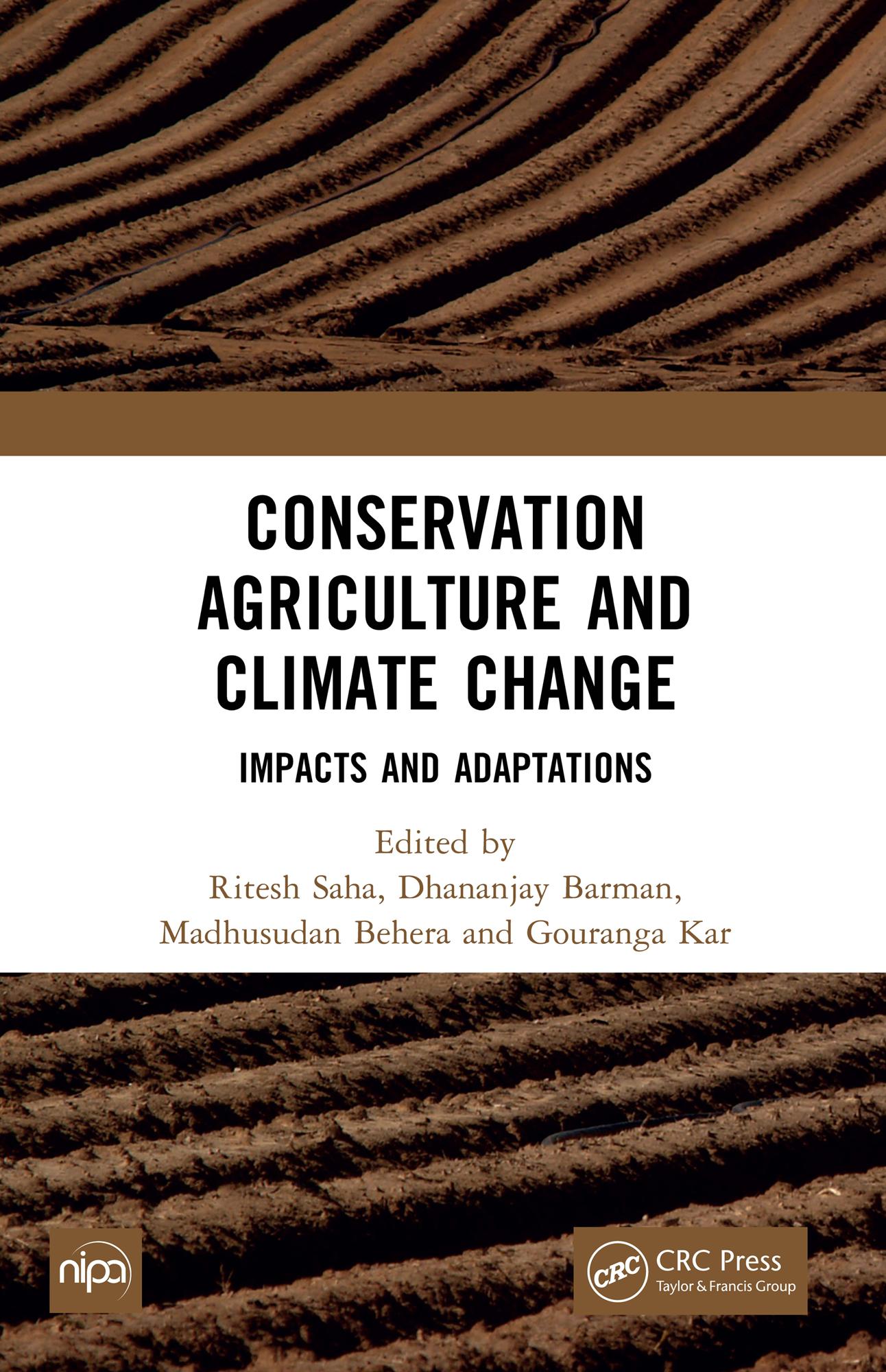
Conventional tillage and burning crop residues has degraded the soil resource base and intensified soil degradation with concomitant decrease in crop production capacity. The emerging issue of global warming coupled with greenhouse gases emissions has further aggravated the scenario. Conservation agriculture helps in reducing many negative effects of conventional agriculture such as soil erosion, soil organic matter decline, water loss, soil physical degradation, and fuel use. Conservation Agriculture helps improve biodiversity in the natural and agro-ecosystems. Complemented by other good agricultural practices including the use of quality seeds, integrated pest, nutrient and water management, Conservation Agriculture provides a base for sustainable intensification of the agricultural production system. Moreover, the yield levels in Conservation Agriculture systems are higher than traditional intensive tillage systems with substantially less production costs.
This book provides comprehensive understanding of the subject with topics related to climate change mitigation strategies, approaches and impact of conservation agriculture on natural resource management.
This book is co-published with NIPA. Taylor and Francis does not sell or distribute its print and electronic editions in India, Pakistan, Nepal, Bhutan, Bangladesh and Sri Lanka.
Betaal eenvoudig met kaart, Klarna, Apple Pay of Google Pay. Niet tevreden? Je hebt altijd 14 dagen bedenktijd. Lees meer in onze voorwaarden. Heb je vragen, mail ons dan via hello@memmo.org.
Memmo maakt studeren makkelijker – waar je ook bent ter wereld. Wij brengen je cursusboeken en slimme studietools samen op één plek: samenvattingen, quizzen, podcasts en flashcards. En Ted, je studievriend die antwoord geeft op alles wat je je afvraagt. Meer dan 50.000 studenten studeren hier al – gebouwd om je sneller te laten leren en minder stress te geven.