
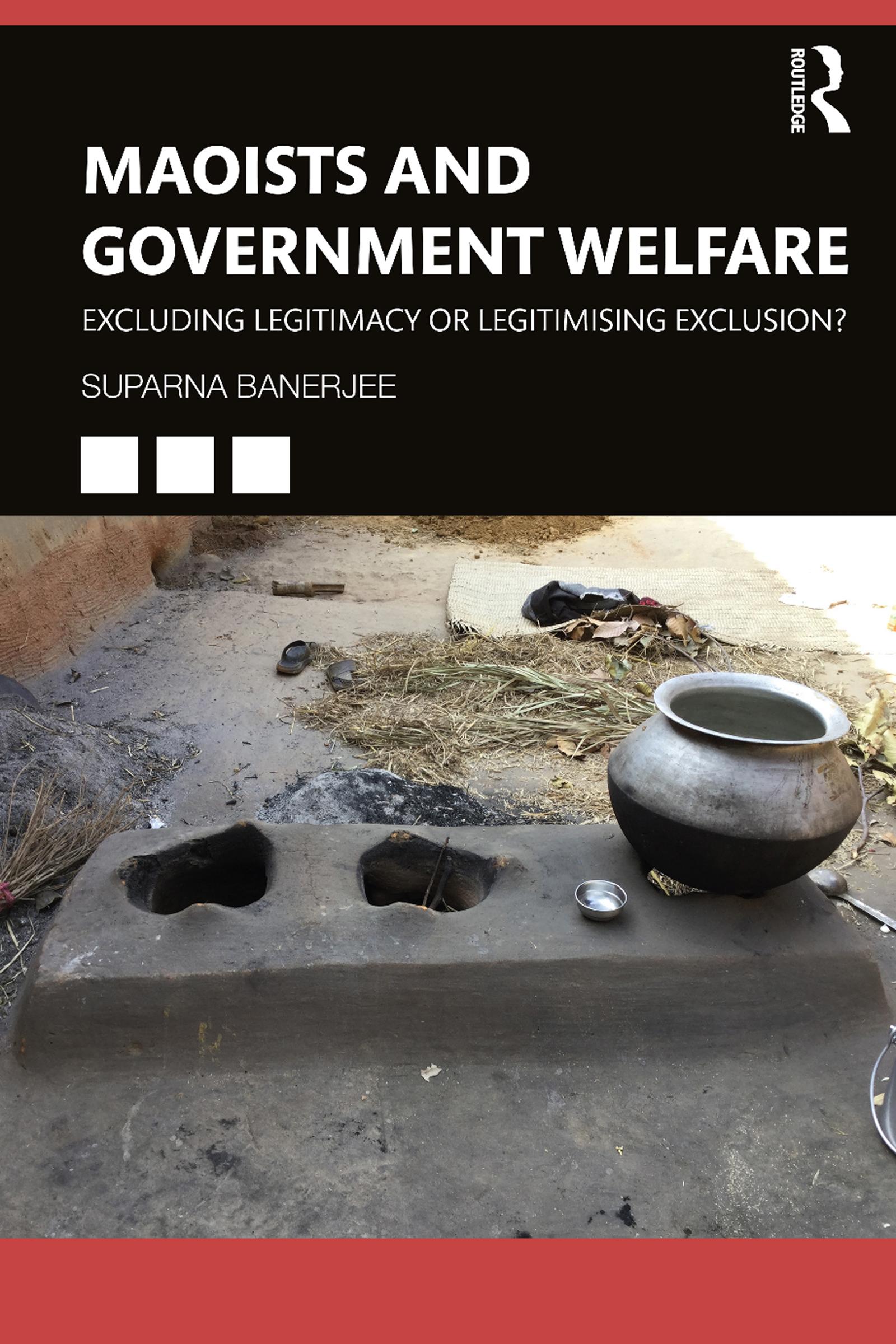
This book systematically analyses state responses towards Maoism in India and studies the role of state policies in prolonging conflict. It looks at how the structural maladies that once gave rise to conflict have now found a place in the government responses meant to address it. The book studies the socio-political conditions of Adivasis and lower caste groups that make up large sections of the cadre and highlights the exclusionary nature of the Indian political landscape. It discusses various themes such as state legitimacy, the political landscape through exclusion, the agency of Maoist foot soldiers, limitations of government welfare responses, and the idea of the marginalised in India.
Rich in empirical data, the book will be useful for scholars and researchers of development studies, political studies, political sociology, minority studies, exclusion studies, sociology and social anthropology. It will also be of interest to policy-makers.
Betaal eenvoudig met kaart, Klarna, Apple Pay of Google Pay. Niet tevreden? Je hebt altijd 14 dagen bedenktijd. Lees meer in onze voorwaarden. Heb je vragen, mail ons dan via hello@memmo.org.
Memmo maakt studeren makkelijker – waar je ook bent ter wereld. Wij brengen je cursusboeken en slimme studietools samen op één plek: samenvattingen, quizzen, podcasts en flashcards. En Ted, je studievriend die antwoord geeft op alles wat je je afvraagt. Meer dan 50.000 studenten studeren hier al – gebouwd om je sneller te laten leren en minder stress te geven.