
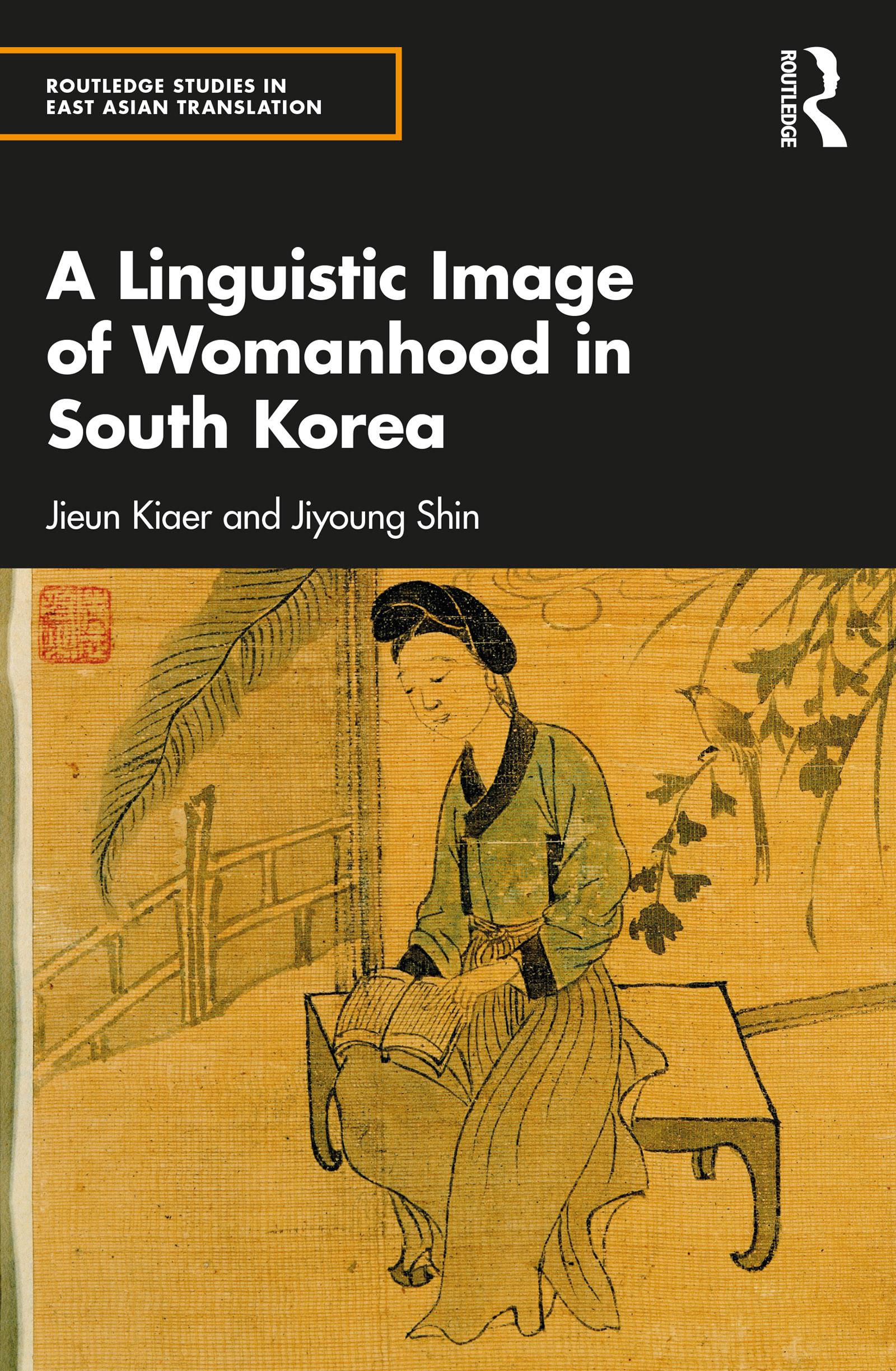
A Linguistic Image of Womanhood in South Korea examines the verbal and non-verbal techniques used by contemporary South Korean women to navigate their society.
South Korea is extremely hierarchical, and this is expressed through a complex array of different politeness levels in words, gestures, and behaviours. These hierarchies were formed over 500 years ago with the introduction of Neo-Confucianism from China, but patriarchal and paternalistic values still linger in contemporary Korean society. In this book, the authors have coined the term ‘language cosmetics’ to describe how women in South Korea modify their language and behaviour to conform to social expectations. The book examines womanhood and femininity as seen in popular Korean films, K-dramas, and K-pop. The authors note that feminine language and behaviour are not limited to women (as seen by the practice of aegyo or ‘acting cute’ within Korean boy bands), and they describe the tensions between gender hierarchy and socioeconomic status (as seen in the powerful and elegant samonim ladies of K-drama).
This book will be informative for those studying and researching in the fields of Asian studies, cultural studies, linguistics, and East Asian languages, particularly those analysing how society and gender have an impact upon language.
Betaal eenvoudig met kaart, Klarna, Apple Pay of Google Pay. Niet tevreden? Je hebt altijd 14 dagen bedenktijd. Lees meer in onze voorwaarden. Heb je vragen, mail ons dan via hello@memmo.org.
Memmo maakt studeren makkelijker – waar je ook bent ter wereld. Wij brengen je cursusboeken en slimme studietools samen op één plek: samenvattingen, quizzen, podcasts en flashcards. En Ted, je studievriend die antwoord geeft op alles wat je je afvraagt. Meer dan 50.000 studenten studeren hier al – gebouwd om je sneller te laten leren en minder stress te geven.