
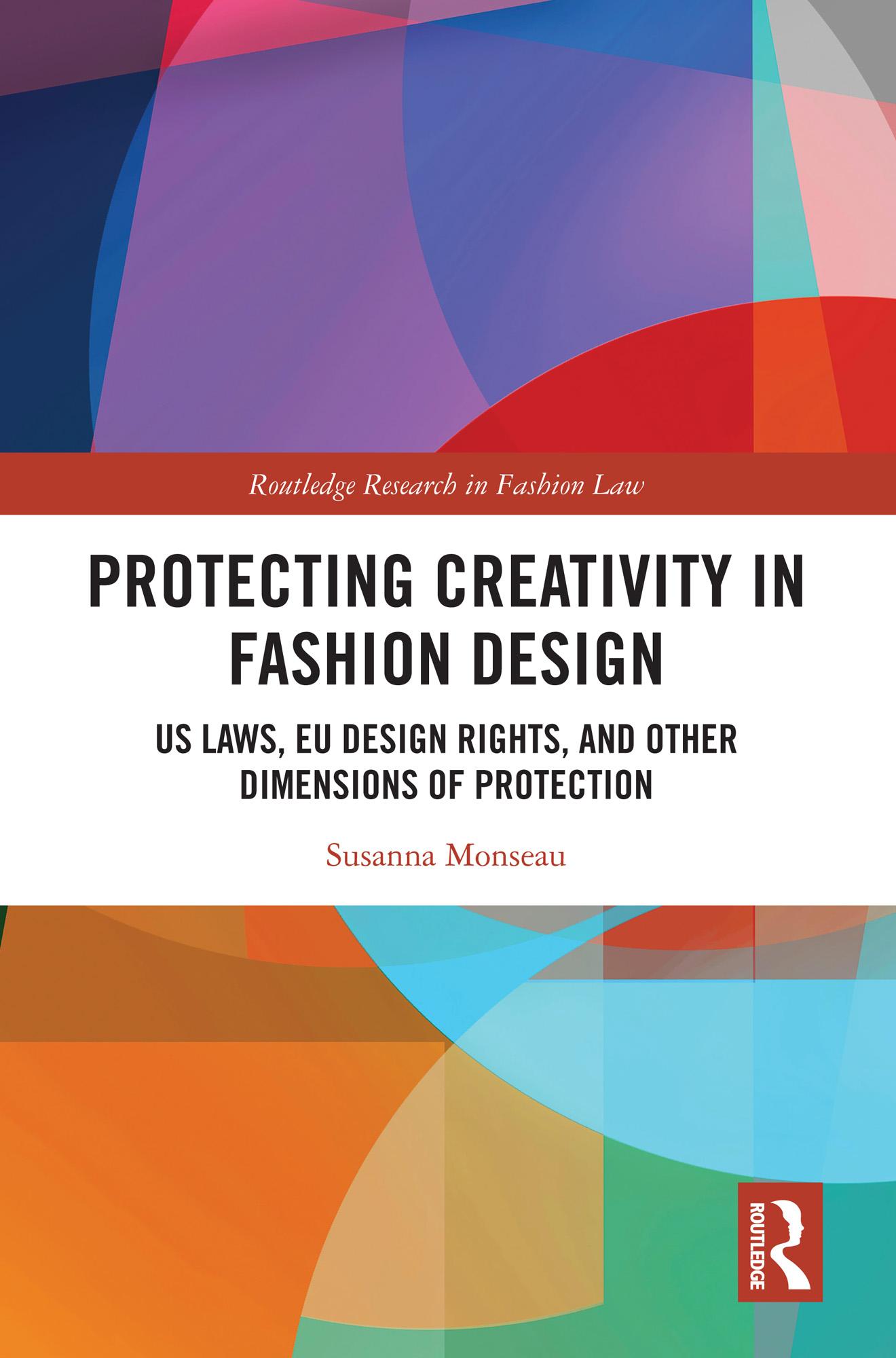
Exploring the debate over the benefits of legal protection for fashion design, this book focuses on how a combination of minimal legal protections for design, evolving social norms, digital technology, and market forces can promote innovation and creativity in a business known for its fast-paced remixing and borrowing. Focusing on the advantages and disadvantages of the main US and EU IP laws that protect fashion design in the world’s biggest fashion markets, it describes how recent US case law in copyright and trademark cases has led to misaligned incentives for the industry and a lack of clear protection, while, in the EU, the CJEU’s interpretation of the pan-European design rights system has created significant overlap with copyright law and risks, leading to the overprotection of design. The book proposes that creativity and innovation in fashion derive some benefit from a limited unregistered design right protection, and that cumulation with copyright protection is unhelpful. It also proposes that there is a larger role for developing social norms relating to sustainability, the ethics of cultural appropriation, and the online shaming of counterfeiters that can also help create a fair equilibrium between protection and borrowing in fashion design.
Betaal eenvoudig met kaart, Klarna, Apple Pay of Google Pay. Niet tevreden? Je hebt altijd 14 dagen bedenktijd. Lees meer in onze voorwaarden. Heb je vragen, mail ons dan via hello@memmo.org.
Memmo maakt studeren makkelijker – waar je ook bent ter wereld. Wij brengen je cursusboeken en slimme studietools samen op één plek: samenvattingen, quizzen, podcasts en flashcards. En Ted, je studievriend die antwoord geeft op alles wat je je afvraagt. Meer dan 50.000 studenten studeren hier al – gebouwd om je sneller te laten leren en minder stress te geven.