
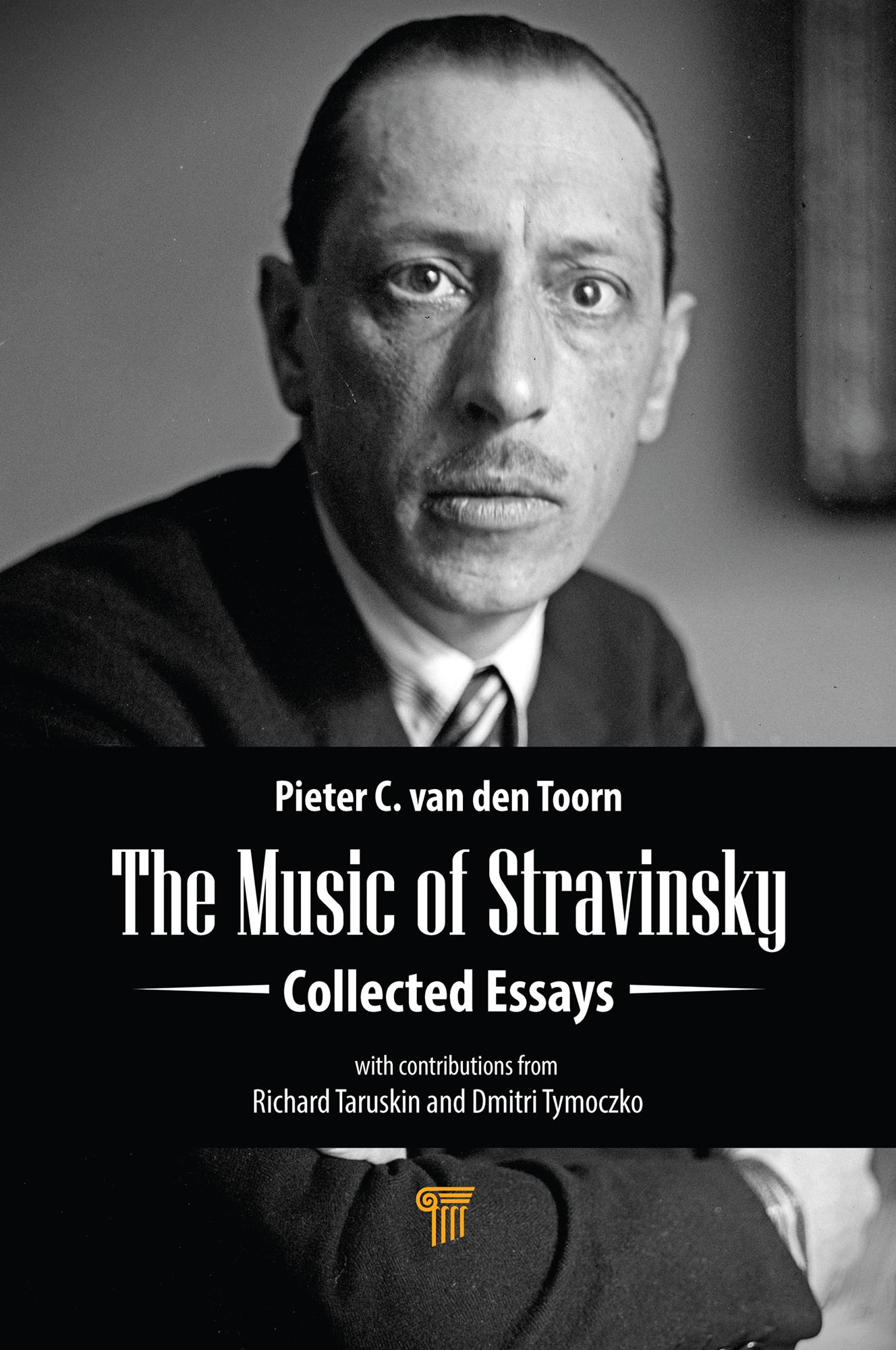
The most celebrated of Western composers in the twentieth century, Igor Stravinsky may have been the greatest as well. Stretching across forty or so years, the essays in this volume address the dynamics of Igor Stravinsky’s music from a variety of analytical, critical, and aesthetic angles. Underscored are the features of melody, harmony, rhythm, and form that would remain consistently a part of Stravinsky’s oeuvre regardless of the changes in orientation from the Russian period to the neoclassical and the early serial. The Rite of Spring (1913), Les Noces (1917–23), the Symphony of Psalms (1930), and the Symphony in Three Movements (1945) are discussed in detail, as are many of the circumstances attending their conception. Other concerns include the composer’s "formalist" aesthetics and the strict performing style he pursued as an interpreter and conductor of his music.
Betaal eenvoudig met kaart, Klarna, Apple Pay of Google Pay. Niet tevreden? Je hebt altijd 14 dagen bedenktijd. Lees meer in onze voorwaarden. Heb je vragen, mail ons dan via hello@memmo.org.
Memmo maakt studeren makkelijker – waar je ook bent ter wereld. Wij brengen je cursusboeken en slimme studietools samen op één plek: samenvattingen, quizzen, podcasts en flashcards. En Ted, je studievriend die antwoord geeft op alles wat je je afvraagt. Meer dan 50.000 studenten studeren hier al – gebouwd om je sneller te laten leren en minder stress te geven.