
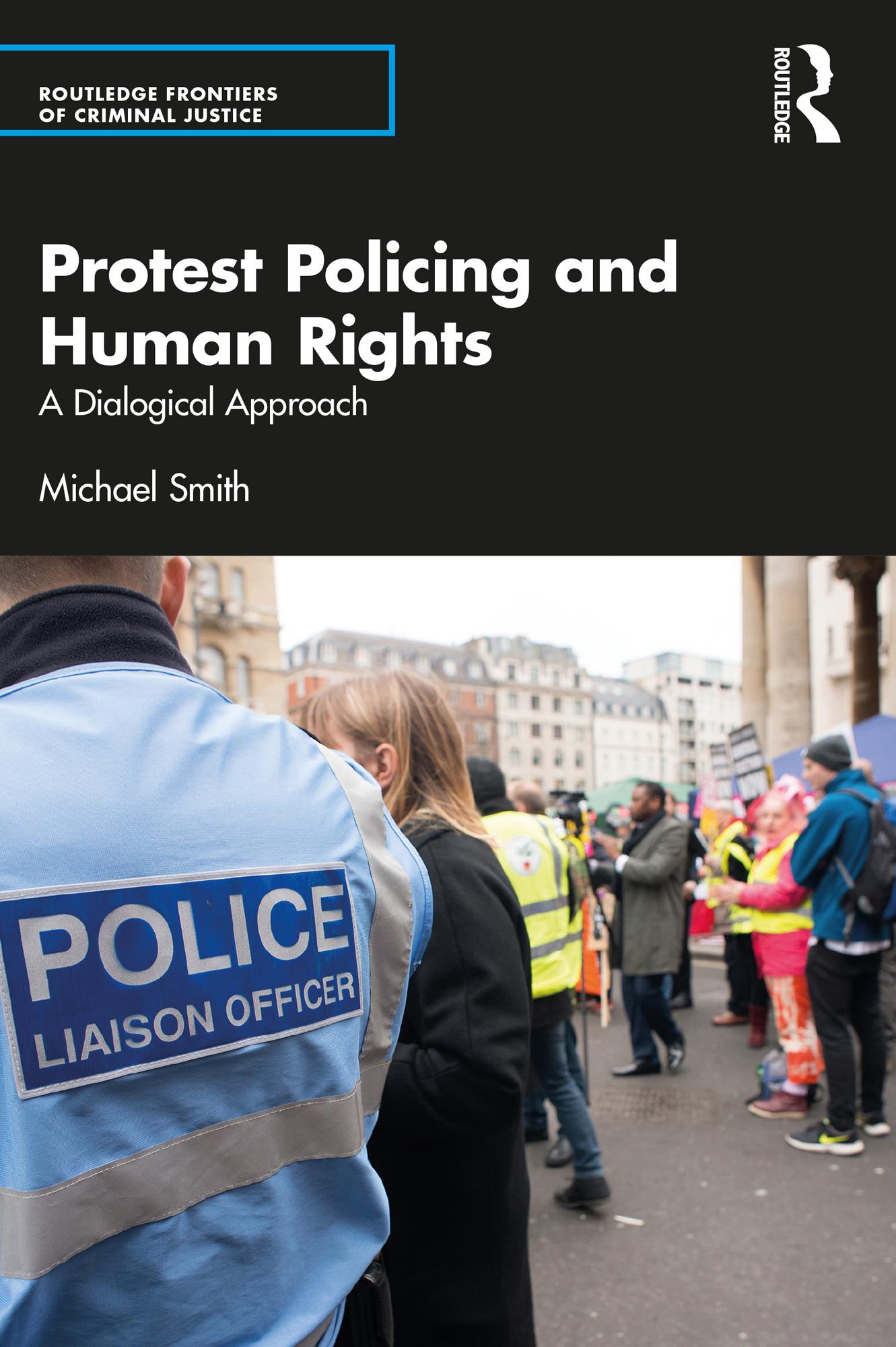
This book examines protest policing and the toolbox of options available to police commanders in response. The right to peacefully protest is intrinsic to democracy and embedded in British history and tradition. The police are responsible for managing public order and facilitating peaceful protest and this has not been without criticism. On occasions, the police have found themselves in opposition to protest groups and there have been incidents of disorder as a result. In response, the development of Police Liaison Teams in the UK has presented the police with a gateway for dialogue between themselves and those involved in protest.
Drawing on two contrasting case studies, the policing of the badger cull in South West England and an English Defence League (EDL) march in Liverpool, this book explores the experiences of police commanders, police liaison officers, protesters, counterdemonstrators, members of local businesses and other interested parties. It explores how a dialogical approach with all those engaged in or affected by a protest has assisted the police in balancing human rights and reducing conflict for all.
An accessible and compelling read, this book will appeal to students, scholars and practitioners of policing, politics, criminology, sociology, human rights and all those interested in how protests are policed.
Betaal eenvoudig met kaart, Klarna, Apple Pay of Google Pay. Niet tevreden? Je hebt altijd 14 dagen bedenktijd. Lees meer in onze voorwaarden. Heb je vragen, mail ons dan via hello@memmo.org.
Memmo maakt studeren makkelijker – waar je ook bent ter wereld. Wij brengen je cursusboeken en slimme studietools samen op één plek: samenvattingen, quizzen, podcasts en flashcards. En Ted, je studievriend die antwoord geeft op alles wat je je afvraagt. Meer dan 50.000 studenten studeren hier al – gebouwd om je sneller te laten leren en minder stress te geven.