
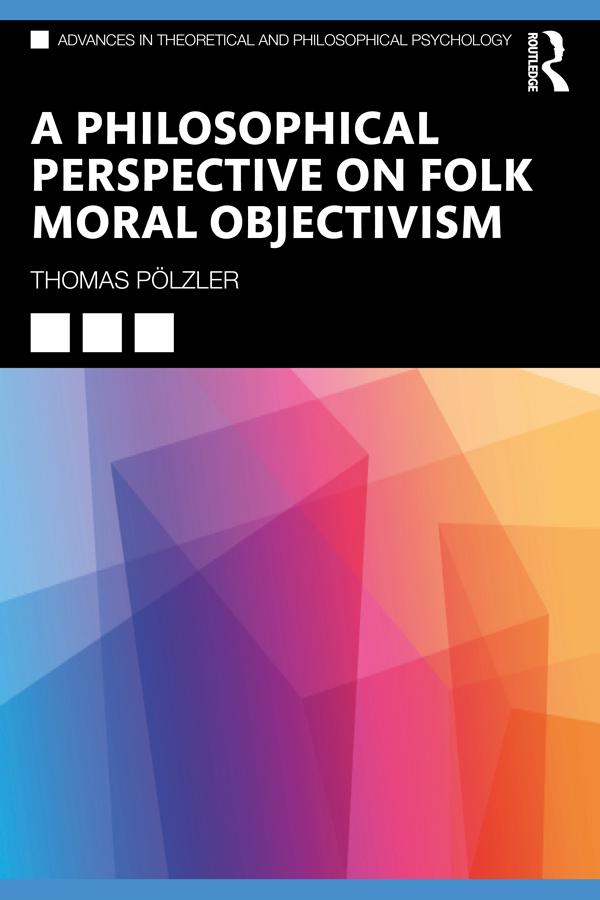
Philosophers have long debated whether morality is objective. But how do lay people think about this matter? A Philosophical Perspective on Folk Moral Objectivism discusses the philosophical aspects of this question in an accessible, integrated and coherent way.
The first part argues that many empirical studies have been unsuccessful in fully or exclusively measuring beliefs about moral objectivity. Still, there are a few lessons that can be drawn from them. Most importantly, lay people are not objectivists. They believe that moral statements only express desires or that their truth is relative to individuals or cultures. The book’s second part considers ways in which these empirical findings may help assess philosophical theories about moral objectivity. Overall, findings about people’s moral objectivity beliefs suggest that morality is not objective. The truth of the matter may even lie beyond the traditional objectivism/non-objectivism dichotomy.
This book develops a unique perspective on a thriving new area of research. It is a valuable resource for upper level undergraduates, postgraduates and researchers in moral psychology, theoretical psychology, experimental philosophy, metaethics and philosophy of the mind.
Betaal eenvoudig met kaart, Klarna, Apple Pay of Google Pay. Niet tevreden? Je hebt altijd 14 dagen bedenktijd. Lees meer in onze voorwaarden. Heb je vragen, mail ons dan via hello@memmo.org.
Memmo maakt studeren makkelijker – waar je ook bent ter wereld. Wij brengen je cursusboeken en slimme studietools samen op één plek: samenvattingen, quizzen, podcasts en flashcards. En Ted, je studievriend die antwoord geeft op alles wat je je afvraagt. Meer dan 50.000 studenten studeren hier al – gebouwd om je sneller te laten leren en minder stress te geven.