
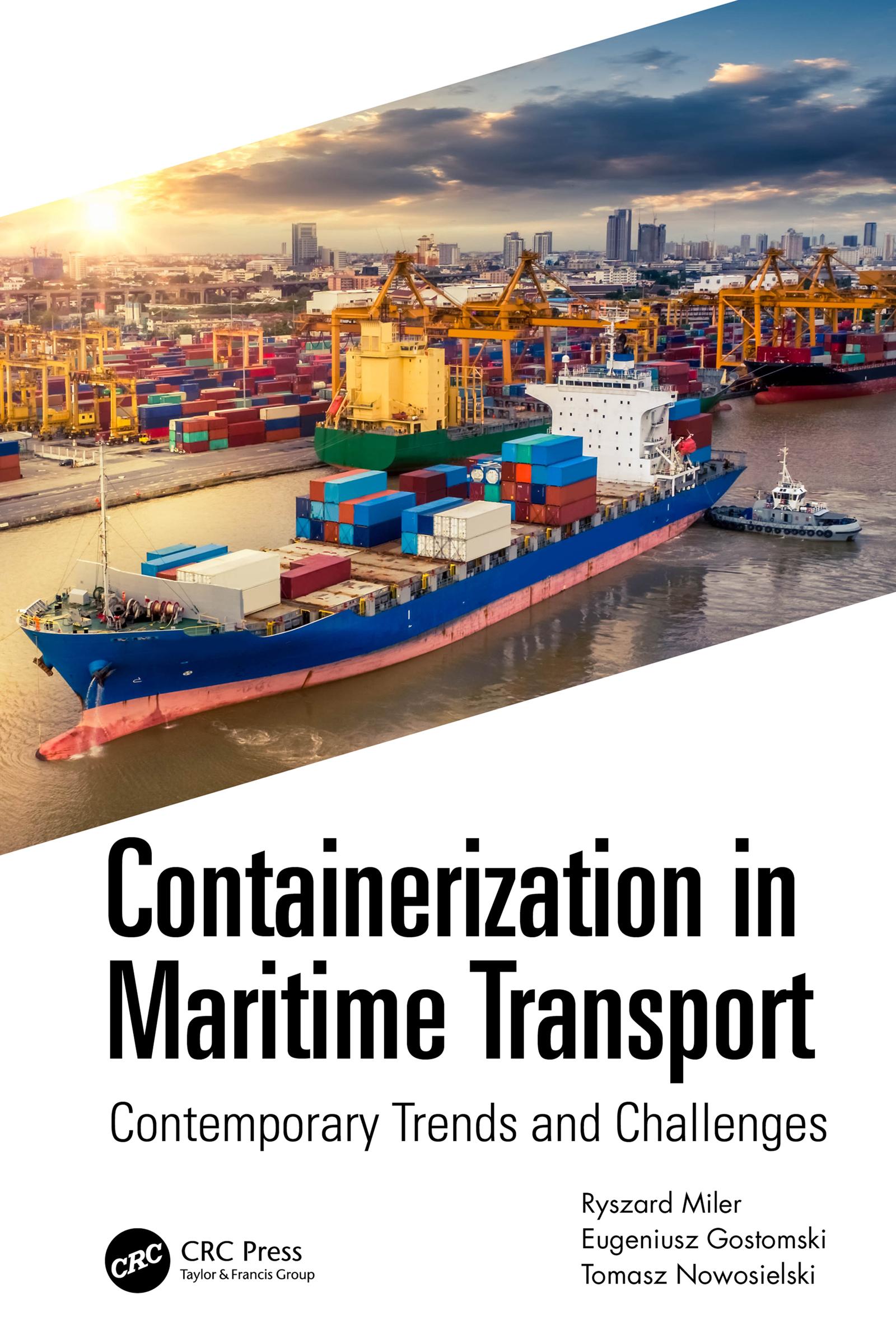
Containerization provides optimization of handling processes in terms of intermodality and efficient cargo handling, and maritime transport, in particular, it provides further optimization of shipping processes in terms of volume and distance. Containerization has become the most significant factor stimulating the development of modern global trade. With the progress of globalization taken into account (longer distances and increasing cargo volumes), it can be seen that cargo becomes predestined to be transported by sea, which encourages ship owners to enlarge their fleets of container ships. Containerization in Maritime Transport: Contemporary Trends and Challenges addresses the key challenges to maritime transport and containerization, beginning with economic and managerial factors, through organizational, technical, operational, information and IT challenges, and ending with ecological challenges—ideally to lessen the environmental impacts of maritime transport.
Features:
- Discusses the latest technological advances in shipping, including augmented reality (AR), virtual reality (VR), artificial intelligence (AI), 5G networks, smart camera and computer vision systems, and digital twin technology.
- Presents ecological considerations and solutions that are indispensable to develop efficient and safe green supply chains.
- Examines the economic aspects of shipping with regard to transport and container handling costs in international trade.
Betaal eenvoudig met kaart, Klarna, Apple Pay of Google Pay. Niet tevreden? Je hebt altijd 14 dagen bedenktijd. Lees meer in onze voorwaarden. Heb je vragen, mail ons dan via hello@memmo.org.
Memmo maakt studeren makkelijker – waar je ook bent ter wereld. Wij brengen je cursusboeken en slimme studietools samen op één plek: samenvattingen, quizzen, podcasts en flashcards. En Ted, je studievriend die antwoord geeft op alles wat je je afvraagt. Meer dan 50.000 studenten studeren hier al – gebouwd om je sneller te laten leren en minder stress te geven.