
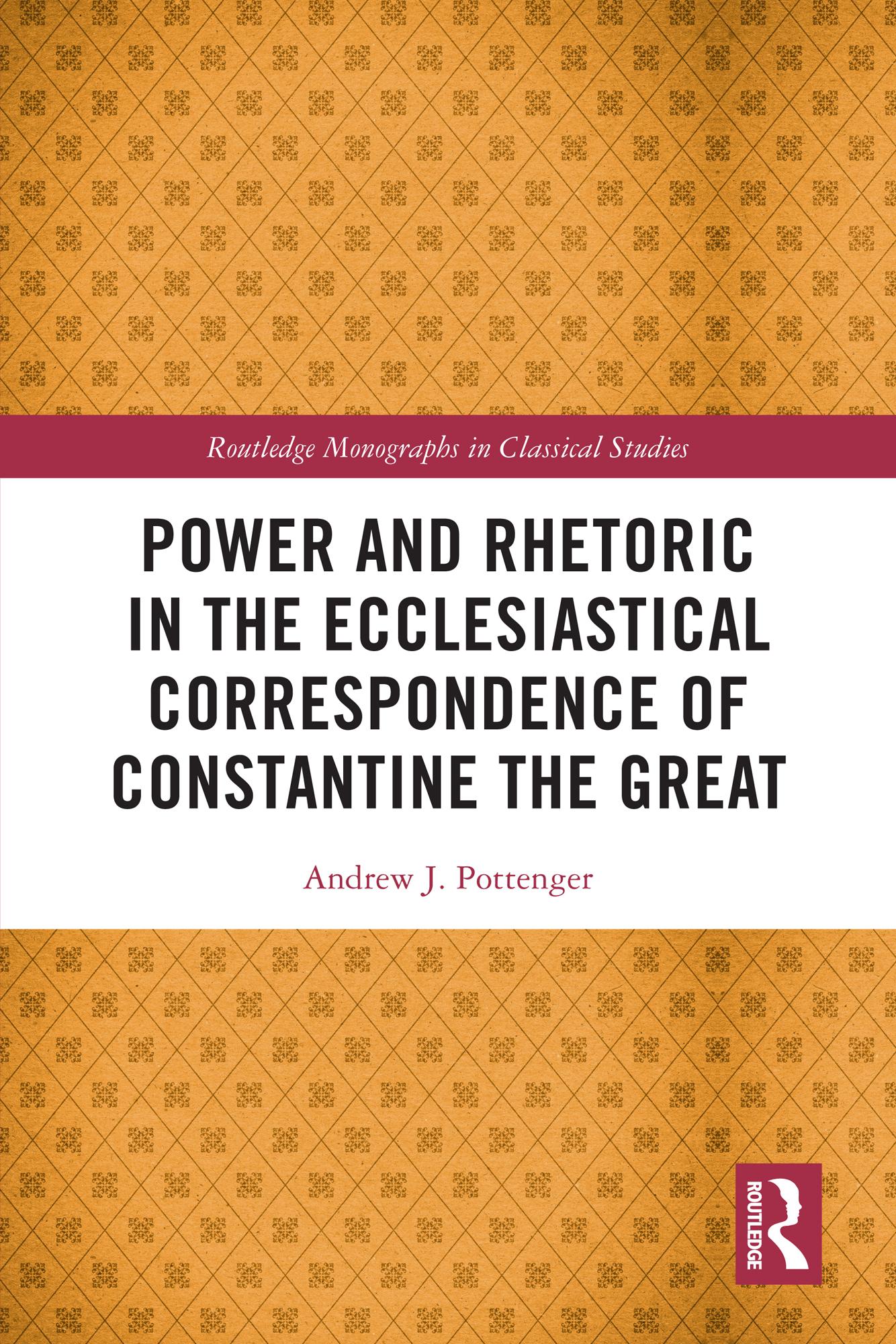
This volume closely examines patterns of rhetoric in surviving correspondence by the Roman emperor Constantine on conflicts among Christians that occurred during his reign, primarily the ‘Donatist schism’ and ‘Arian controversy’.
Commonly remembered as the ‘first Christian emperor’ of the Roman Empire, Constantine’s rule sealed a momentous alliance between church and state for more than a millennium. His well-known involvement with Christianity led him to engage with two major disputes that divided his Christian subjects: the ‘Donatist schism’ centred, from the emperor's perspective, on determining the rightful bishop of Carthage, and the so-called ‘Arian controversy’, a theological conflict about the proper understanding of the Son's divine nature in relation to that of the Father. This book examines a number of letters associated with Constantine that directly address both of these disagreements, exploring his point of view and motivations to better understand how and why this emperor applied his power to internal church divisions. Based on a close analysis of prominent themes and their functions in the rhetoric of his correspondence, Pottenger argues that three ‘doctrines of power’ served to inform and direct Constantine’s use of power as he engaged with these problems of schism and heresy.
Power and Rhetoric in the Ecclesiastical Correspondence of Constantine the Great is of interest to students and scholars of early Christianity and the history of the later Roman Empire.
Betaal eenvoudig met kaart, Klarna, Apple Pay of Google Pay. Niet tevreden? Je hebt altijd 14 dagen bedenktijd. Lees meer in onze voorwaarden. Heb je vragen, mail ons dan via hello@memmo.org.
Memmo maakt studeren makkelijker – waar je ook bent ter wereld. Wij brengen je cursusboeken en slimme studietools samen op één plek: samenvattingen, quizzen, podcasts en flashcards. En Ted, je studievriend die antwoord geeft op alles wat je je afvraagt. Meer dan 50.000 studenten studeren hier al – gebouwd om je sneller te laten leren en minder stress te geven.