
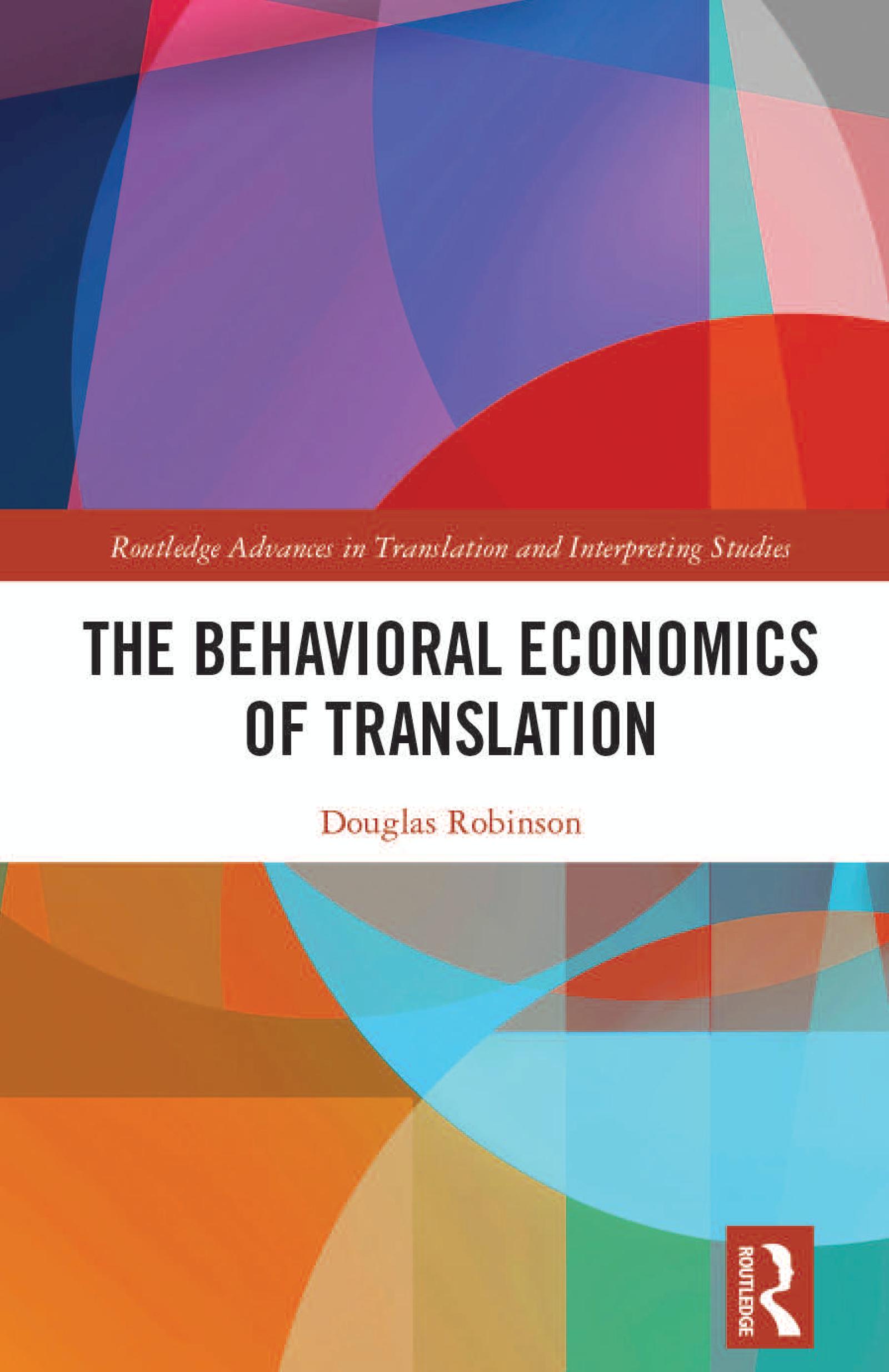
This book applies frameworks from behavioral economics to Western thinking about translation, mapping four approaches to eight keywords in translation studies to bring together divergent perspectives on the study of translation and interpreting.
The volume takes its points of departure from the tensions between the concerns of behavioral and neoclassical economists. The book considers on one side behavioral economists’ interest in the predictable irrationality of “Humans” and its nuances as they unfold in terms of gender, here organized around Masculine Human, Feminine Human, and Queer perspectives, and on the other side neoclassical economists’ chief concerns with the unfailing rationality of the “Econs.” Robinson applies these four approaches across eight chapters, each representing a keyword in the study of translation—agency; difference; Eurocentrism; hermeneutics; language; norms; rhetoric; and world literature—with case studies that problematize the different categories.
Taken together, the book offers a comprehensive treatment of the behavioral economics of translation and promotes new ways of thinking in the study of translation and interpreting, making it of interest to scholars in the discipline as well as those working along interdisciplinary lines in related fields such as philosophy, literature, and political science.
Betaal eenvoudig met kaart, Klarna, Apple Pay of Google Pay. Niet tevreden? Je hebt altijd 14 dagen bedenktijd. Lees meer in onze voorwaarden. Heb je vragen, mail ons dan via hello@memmo.org.
Memmo maakt studeren makkelijker – waar je ook bent ter wereld. Wij brengen je cursusboeken en slimme studietools samen op één plek: samenvattingen, quizzen, podcasts en flashcards. En Ted, je studievriend die antwoord geeft op alles wat je je afvraagt. Meer dan 50.000 studenten studeren hier al – gebouwd om je sneller te laten leren en minder stress te geven.