
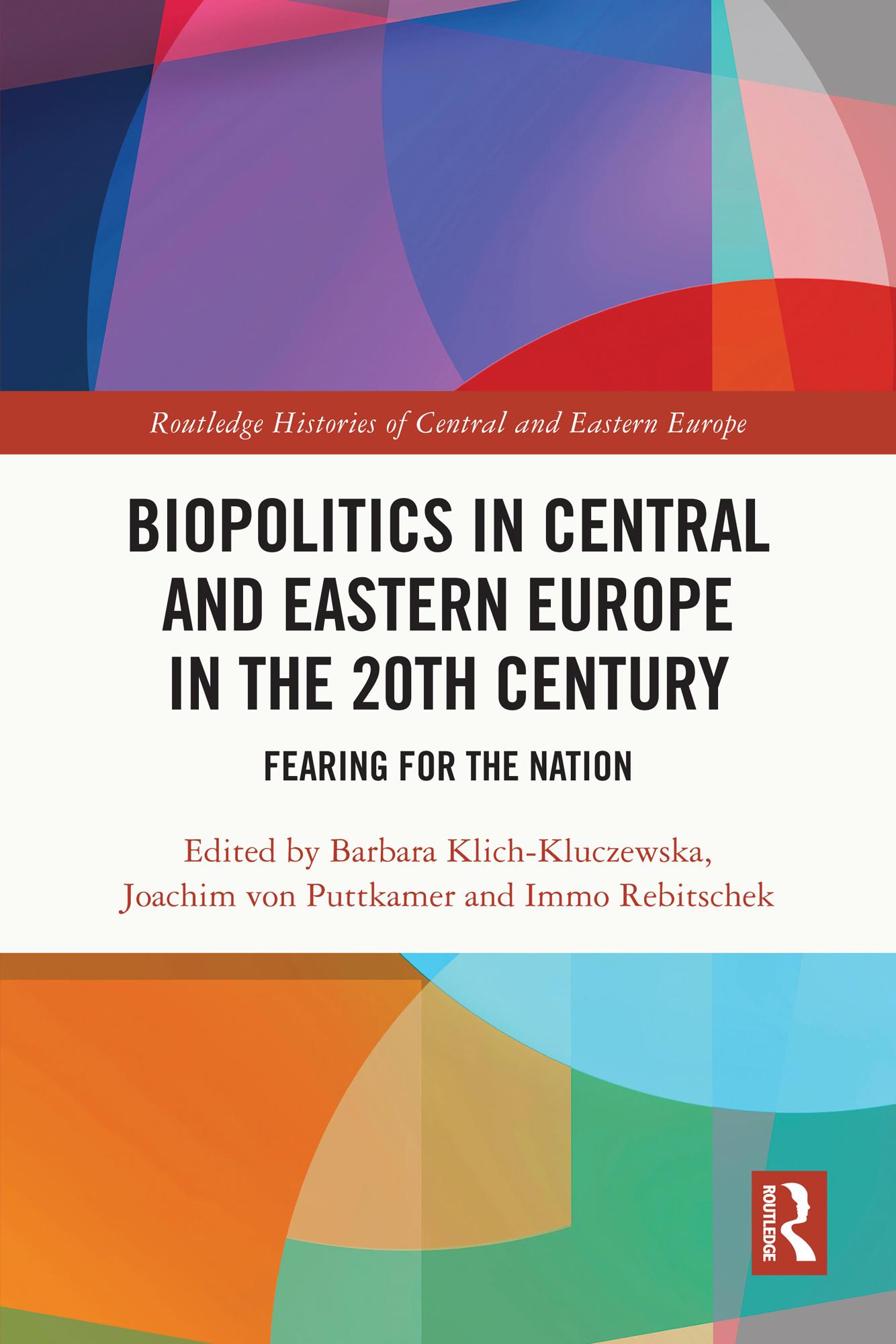
The field of biopolitics encompasses issues from health and hygiene, birth rates, fertility and sexuality, life expectancy and demography to eugenics and racial regimes. This book is the first to provide a comprehensive view on these issues for Central and Eastern Europe in the twentieth century.
The cataclysms of imperial collapse, World War(s) and the Holocaust but also the rise of state socialism after 1945 provided extraordinary and distinct conditions for the governing of life and death. The volume collects the latest research and empirical studies from the region to showcase the diversity of biopolitical regimes in their regional and global context – from hunger relief for Hungarian children after the First World War to abortion legislation in communist Poland. It underlines the similarities as well, demonstrating how biopolitical strategies in this area often revolved around the notion of an endangered nation; and how ideological schemes and post-imperial experiences in Eastern Europe further complicate a 'western' understanding of democratic participatory and authoritarian repressive biopolitics.
The new geographical focus invites scholars and students of social and human sciences to reconsider established perspectives on the history of population management and the history of Europe.
Betaal eenvoudig met kaart, Klarna, Apple Pay of Google Pay. Niet tevreden? Je hebt altijd 14 dagen bedenktijd. Lees meer in onze voorwaarden. Heb je vragen, mail ons dan via hello@memmo.org.
Memmo maakt studeren makkelijker – waar je ook bent ter wereld. Wij brengen je cursusboeken en slimme studietools samen op één plek: samenvattingen, quizzen, podcasts en flashcards. En Ted, je studievriend die antwoord geeft op alles wat je je afvraagt. Meer dan 50.000 studenten studeren hier al – gebouwd om je sneller te laten leren en minder stress te geven.